Guyana: A Comprehensive Overview of the Co-operative Republic
The Co-operative Republic of Guyana is a vibrant South American nation characterized by its immense biodiversity, complex colonial history, and a rapidly evolving economy. As the only English-speaking country on the continent, Guyana serves as a unique cultural bridge between South America and the Caribbean.
From the bustling streets of its capital, Georgetown, to the deep reaches of the Amazon rainforest, Guyana is a land of stark contrasts and natural wonders. Its motto, "One People, One Nation, One Destiny," reflects the country's aspiration for unity among its diverse ethnic and religious populations.
Key Facts
- Official Language: English, with Guyanese Creole as the vernacular.
- Capital: Georgetown.
- Government: Unitary parliamentary republic with an executive presidency.
- Economy: Significant growth driven by gold, bauxite, agriculture, and recent oil discoveries.
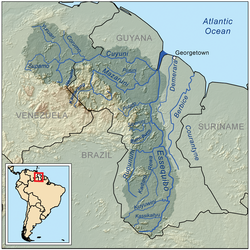
- Geography: Dominated by the Amazon rainforest and the Essequibo River basin.
- Independence: Gained from the United Kingdom on May 26, 1966.
History and Governance
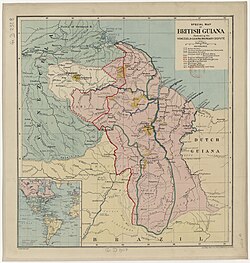
Guyana's history is marked by successive periods of European influence. The territory was under Dutch control from 1667 to 1815 before becoming British Guiana from 1831 until 1966. After gaining independence from the United Kingdom, the nation transitioned into a republic on February 23, 1970.
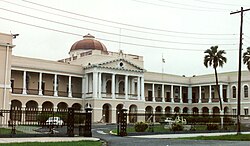
Today, the country is governed as a unitary parliamentary republic. The executive branch is led by the President, currently Irfaan Ali, supported by a Prime Minister and First Vice President. The legislative power resides in the National Assembly, which has operated out of its historic parliament building since 1834.
Administrative Divisions
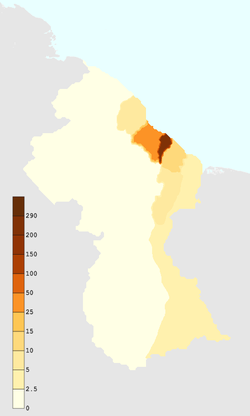
Guyana is divided into 10 administrative regions, each with its own regional capital. These regions vary significantly in population density, with the coastal plains being the most densely populated areas compared to the sparsely inhabited interior.
Geography and Biodiversity
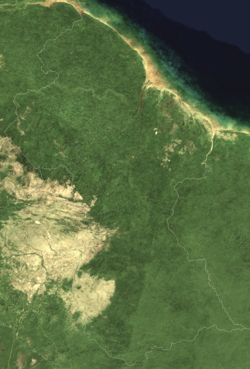
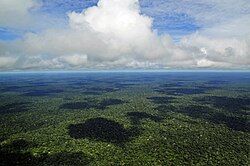
Guyana's landscape is categorized into four distinct natural regions: the low coastal plain, hilly sand and clay, the highland region, and the interior savannahs. A vast majority of the territory is covered by the Amazon rainforest, the world's largest and most biodiverse tropical rainforest.
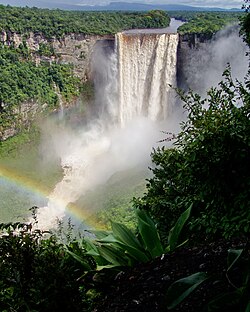
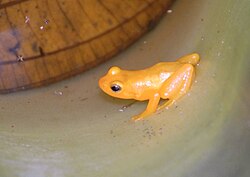
The country is home to extraordinary natural landmarks, most notably Kaieteur Falls, one of the world's most powerful waterfalls. The region's isolation has fostered unique wildlife, such as the Anomaloglossus beebei, a frog species endemic to Guyana found in Kaieteur National Park.
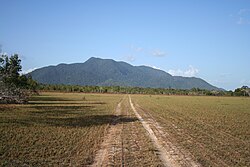
The Rupununi Savannah offers another distinct ecosystem, providing a wide-open landscape that contrasts with the dense jungle of the interior.
The Essequibo Conflict
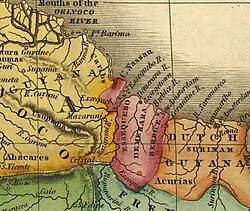
A significant point of geopolitical tension is the Essequibo conflict. Venezuela claims territory up to the western bank of the Essequibo River, a region that Guyana currently administers. This dispute involves historical claims dating back to the colonial era and has been a subject of international legal scrutiny.
Economy and Infrastructure
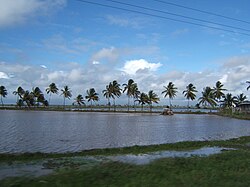
Guyana's economy is traditionally based on agriculture and mining. Key agricultural products include sugar, rice, and various livestock, while industrial production is centered on bauxite, gold mining, and timber. The coastal plain remains the heart of the agricultural sector, particularly for rice cultivation.
In recent years, the economy has seen explosive growth, with a GDP growth rate of 86.7% in 2020, largely attributed to the discovery of massive offshore oil reserves. This "oil revolution" has significantly boosted the GDP per capita, positioning Guyana as one of the fastest-growing economies globally.
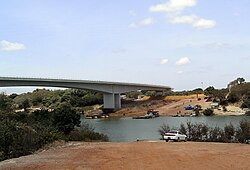
Infrastructure development is ongoing, including the construction of cross-border bridges to Brazil near Lethem to enhance regional trade.
Demographics and Culture
Guyana is a multi-ethnic society. According to 2012 data, the population is approximately 39.8% Indian, 29.2% African, 19.9% Mixed, and 10.5% Indigenous. This diversity is reflected in the country's religious landscape, where Christianity (63.95%) and Hinduism (24.8%) are the most prominent faiths.
The linguistic landscape is equally diverse. While English is the official language, Guyanese Creole is the common vernacular. Additionally, ten indigenous languages are recognized, and several other languages, including Hindustani, Portuguese, and Spanish, are spoken.
Cultural life is celebrated through numerous holidays, including Mashramani (Republic Day), Arrival Day, and Emancipation Day, as well as religious festivals like Phagwah and Diwali.
Urban Centers and Landmarks
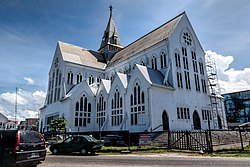
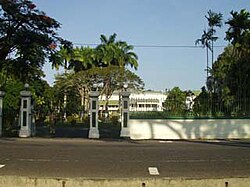
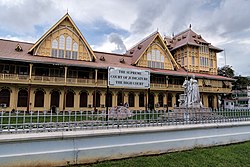
Georgetown, the capital, is the center of political and cultural life. Key landmarks include the St. George's Anglican Cathedral, the State House (the presidential residence), and the Supreme Court of Guyana.
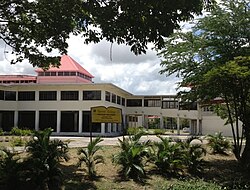
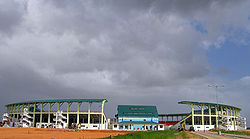
Education and sports also play a vital role in society, with institutions like Queen's College in Georgetown and venues like Providence Stadium serving as hubs for academic and athletic achievement.
Summary Table
| Category | Details |
|---|---|
| Capital | Georgetown |
| Official Language | English |
| Total Area | 214,969 km² |
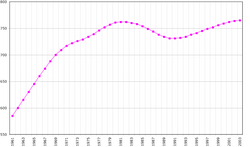
| Estimated Population (2026) | 1,025,200 |
| GDP (Nominal, 2025 est.) | $25.822 billion |
| Currency | Guyanese dollar (GYD) |
| HDI (2023) | 0.776 (High) |
Frequently Asked Questions
What is the official language of Guyana?
The official language of Guyana is English, although Guyanese Creole is the most widely spoken vernacular language among the population.
What is the Essequibo dispute?
The Essequibo dispute is a territorial conflict where Venezuela claims a large portion of Guyana's territory, specifically the land west of the Essequibo River.
What are the main drivers of Guyana's economy?
Historically, the economy relied on gold, bauxite, sugar, and rice. However, recent massive offshore oil discoveries have become the primary driver of rapid economic growth.
Which is the most powerful waterfall in Guyana?
Kaieteur Falls is one of the most powerful waterfalls in the world and is a primary natural attraction within Guyana.
What is the ethnic composition of Guyana?
Guyana is ethnically diverse, with the largest groups being people of Indian descent (39.8%) and African descent (29.2%), followed by Mixed (19.9%) and Indigenous (10.5%) populations.