Guk and Tang: The Essential Korean Soup Traditions
In the heart of a traditional Korean meal, alongside rice (bap) and various side dishes (banchan), lies a fundamental element: soup. Known primarily as guk, these liquid components are vital for balance, nutrition, and comfort. While often categorized broadly, the nuances between different types of soups—ranging from light, clear broths to thick, hearty stews—reveal much about Korean culinary history and seasonal eating habits.
In a standard Korean table setting, the soup is traditionally served on the right side of the rice and to the left of the sujeo (the spoon and chopsticks set). Whether it is a light broth to cleanse the palate or a rich, bone-based stew to provide energy, soup is a cornerstone of the Korean dining experience.
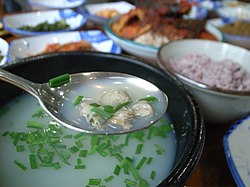
Key Facts
- Guk is a native Korean word, while tang is a Sino-Korean term meaning "boiling water" or "soup."
- Guk typically refers to lighter soups, whereas tang often denotes thicker, more substantial dishes.
- Gomguk is a hearty category of soup made by boiling meat or bones for extended periods to extract collagen and minerals.
- Naengguk refers to cold soups, which are traditionally consumed during the summer months.
- Gukbap is a popular dish consisting of soup served with rice, often enjoyed by the working class.
Understanding Guk and Tang
While the terms guk and tang are frequently used interchangeably, they carry subtle distinctions. Guk is the native Korean term, whereas tang is a Sino-Korean word. In many culinary contexts, tang is used as an honorific or to signify a more substantial dish, such as yeonpo-tang (octopus soup) or daegu-tang (codfish soup).
Generally, lighter soups seasoned with vegetables are suffixed with -guk. In contrast, heavier, thicker soups containing more solid ingredients—often used in jesa (ancestral rites)—are frequently referred to as tang. A clear example of this distinction is found in potato dishes: gamja-guk is a lighter potato soup, while gamja-tang is a spicy, hearty pork backbone stew.
| Category | Description | Common Examples |
|---|---|---|
| Malgeun jangguk | Clear soups seasoned with condiments like soybean paste or soy sauce. | Miyeok-guk (seaweed), Mu-guk (radish) |
| Gomguk | Rich, milky broths made by long-boiling meat or bones. | Seolleongtang (ox leg bone), Galbi-tang (rib) |
| Tojangguk | Savory soups based on doenjang (soybean paste) and rice water. | Sigeumchi tojangguk (spinach) |
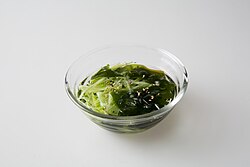
| Naengguk | Chilled soups, often sweet and sour, eaten in summer. | Oi-naengguk (cucumber), Miyeok-naengguk (wakame) |
Major Categories of Korean Soups
Malgeun Jangguk (Clear Seasoned Soups)
Malgeun jangguk literally translates to "clear soup seasoned with a condiment." These soups use ingredients like meat, fish, vegetables, or seafood to create a clean, refreshing flavor. Common varieties include tteokguk (rice cake soup), miyeok-guk (seaweed soup), and bugeo-guk (dried Alaska pollock soup).
Gomguk (Hearty Bone Broths)
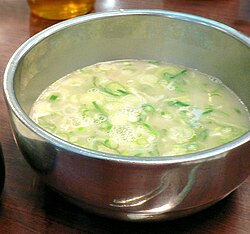
Gomguk, also known as gomtang, refers to thick, nutrient-dense broths. These are created by boiling various parts of beef—such as ribs, oxtail, brisket, or head—or ox bones for many hours. This long simmering process results in a milky-colored broth rich in collagen and minerals. While beef is most common, these broths can also be made from chicken (as in samgyetang) or pork.
Tojangguk (Soybean Paste Soups)
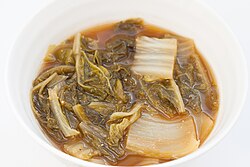
Tojangguk are characterized by their deep, savory umami flavor. They are typically prepared using doenjang (fermented soybean paste) and ssaltteumul (the leftover water from washing rice). These soups are eaten year-round and include varieties like sigeumchi tojangguk (spinach) and ugeoji-guk (dried napa cabbage).
Naengguk (Cold Soups)
To combat the summer heat, Koreans traditionally consume naengguk. These soups are categorized into two groups: refreshing, sweet, and sour varieties made with chilled water and vinegar (such as oi-naengguk or cucumber soup), and more nutrient-dense chilled soups like kkaet-guk, which uses chicken and sesame seeds to replenish energy.
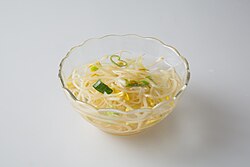
Gukbap: Soup with Rice
Gukbap is a specialized dish developed from guk, literally meaning "soup with rice." Since the late Joseon Dynasty, it has been a popular, hearty meal for the working class, providing essential nutrients in a single, satisfying bowl. Examples include kong-namul-gukbap (soybean sprout soup with rice) and gul-gukbap (oyster soup with rice).
Frequently Asked Questions
What is the difference between guk and tang?
While often used interchangeably, guk is a native Korean term usually referring to lighter, clearer soups. Tang is a Sino-Korean term often used for thicker, more substantial, or honorific soup dishes.
Why is gomguk considered healthy?
Gomguk is made by boiling meat bones or various meat parts for many hours. This long process extracts minerals and collagen, resulting in a rich, milky broth that is highly nutritious.
When is naengguk typically eaten?
Naengguk is a cold soup primarily eaten during the summer months to help regulate body temperature and provide a refreshing, tangy sensation.
What is the significance of ssaltteumul in tojangguk?
Ssaltteumul is the water left over after washing rice. It is used as a base for tojangguk to help create a savory and deep flavor when combined with fermented soybean paste.
Is gukbap a separate type of food?
Gukbap is a dish derived from guk, where rice is served directly in or alongside the soup to create a complete, hearty meal.