Gizzard Anatomy, Function, and Global Culinary Uses
The gizzard, also known as the ventriculus, gastric mill, or gigerium, is a specialized muscular organ found in the digestive tracts of various animals. From birds and crocodiles to earthworms and certain crustaceans, this organ serves as a biological grinder, allowing animals without teeth to break down tough food materials effectively.
Derived from the Middle English giser and the Latin gigeria (meaning giblets), the gizzard is a marvel of evolutionary adaptation, ensuring that nutrients are accessible even from the hardest seeds or shells.
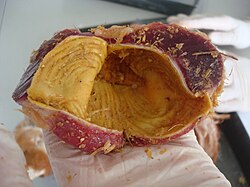
Key Facts
- Primary Function: Grinds food using thick muscular walls and often swallowed stones.
- Occurrence: Found in archosaurs (birds, crocodilians, pterosaurs), earthworms, some fish, gastropods, and crustaceans.
- Protective Lining: Lined with koilin, a carbohydrate-protein complex that prevents the organ from damaging itself.
- Gastroliths: Many species swallow grit or pebbles (gizzard stones) to aid in the mechanical breakdown of food.
- Culinary Status: Widely consumed as offal in Asia, Africa, Europe, and the Americas.
Biological Structure and Mechanism
The Avian Digestive Process
In birds, the digestive process is a multi-stage journey. Food is first stored in the crop and then moves to the proventriculus, the glandular "true stomach" where secretions begin the chemical breakdown. The food then enters the gizzard, the muscular stomach. Because birds lack teeth, the gizzard performs the "chewing" action, often passing food back and forth between the proventriculus and the gizzard to ensure thorough grinding.
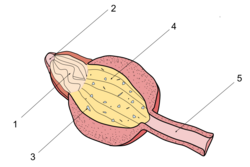
The Koilin Lining
To protect the muscular walls from abrasive food and stones, the gizzard is lined with a gastric cuticle made of koilin. This carbohydrate-protein complex varies in thickness based on diet; animals eating hard grains or insects develop thicker membranes than those eating soft fruits or meat. Some species replace this lining gradually, while others slough it off entirely. Interestingly, the male hornbill uses this mechanism during nesting, sloughing off its membrane filled with fruit to present as a gift to its mate.
Gizzard Stones (Gastroliths)
Animals that lack teeth often swallow small pebbles or gravel, known as gastroliths. These stones act as internal teeth, fragmenting hard seeds and fibers. Over time, the constant grinding polishes these stones until they are smooth; once they lose their abrasive effectiveness, the animal may regurgitate or excrete them.
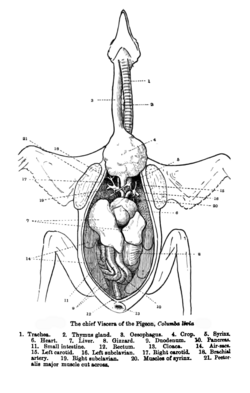
Occurrence Across Species
Archosaurs and Extinct Reptiles
All birds possess gizzards, though their structure varies. Birds of prey and kiwis have membranous gizzards, whereas most other birds have sub-compressed versions. Evidence from fossils suggests that many dinosaurs—including Apatosaurus, Barosaurus, and Psittacosaurus—also utilized gizzards. Some pterosaurs, such as Rhamphorhynchus and Pterodaustro, are also believed to have had this organ.
Other Animals
- Mammals: Pangolins use a gizzard-like structure with pebbles to grind food.
- Fish: The mullet and the gillaroo (a trout from Ireland) use gizzards to digest prey like water snails.
- Crustaceans: In these animals, the organ is typically called a gastric mill.
- Earthworms: Earthworms possess a gizzard but lack a separate stomach entirely.
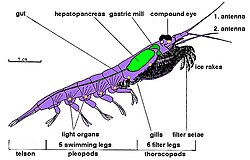
Global Culinary Traditions
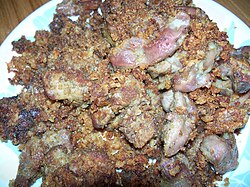
Poultry gizzards are prized as offal worldwide and are often grouped with the heart and liver as giblets.
| Region | Common Preparation / Name | Key Characteristics |
|---|---|---|
| Asia | Yakitori (Japan), Dak-ttongjip (Korea) | Skewered, stir-fried, or fried (karaage). |
| Africa | Gizdodo (Nigeria) | Fried gizzards served with plantain and stew. |
| Europe | Zúza pörkölt (Hungary), Périgordian salad (France) | Stewed with paprika or served with walnuts and lettuce. |
| Americas | Fried Gizzards (USA), Adobo (Philippines) | Deep-fried with hot sauce or slow-cooked in vinegar/soy. |
In various cultures, the gizzard holds social significance. In parts of Kenya, Uganda, Cameroon, and Nigeria, the gizzard is traditionally reserved for the oldest or most respected male at the table.
Frequently Asked Questions
What is the difference between a proventriculus and a gizzard?
The proventriculus is the glandular stomach that secretes digestive enzymes, while the gizzard is the muscular stomach that mechanically grinds the food.
Do all birds swallow stones?
No. While all birds have gizzards, only some species swallow grit or stones (gastroliths) to help break down hard foods like seeds.
What is koilin?
Koilin is a carbohydrate-protein complex that forms a protective, multi-layered membrane (gastric cuticle) inside the gizzard to prevent the muscular walls from being worn down by abrasive food.
Which mammals have gizzards?
Pangolins are a notable example of mammals that use a gizzard-like structure combined with pebbles to grind their food, as they lack teeth.
Why is the gizzard membrane removed in kosher cooking?
In traditional Eastern European Jewish cuisine, the yellowish or green membrane is peeled off because it imparts a bitter taste to the dish.