Reptiles: Evolution, Classification, and Biological Diversity
Reptiles are a diverse group of vertebrates that have inhabited Earth from the Late Carboniferous period to the present day. Defined by their unique physiological adaptations and evolutionary history, these animals range from the smallest geckos to the massive crocodilians and the extinct giants of the Mesozoic era. While traditionally grouped together based on shared physical traits, modern science uses phylogenetic classification to better understand their ancestral relationships.
Historically, reptiles were often grouped with amphibians, but they are fundamentally different due to their independence from water for reproduction. This transition was made possible by the evolution of the amniotic egg, a critical biological innovation that allowed vertebrates to colonize dry land.
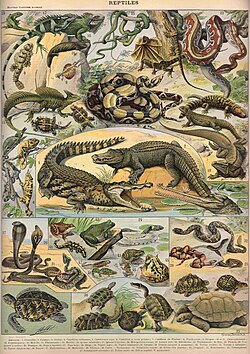
Key Facts
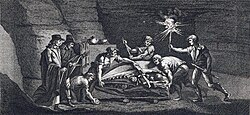
- Temporal Range: From the Late Carboniferous period to the present.
- Defining Feature: Possession of amniotic eggs with hard or leathery shells.
- Dominant Group: Squamates (lizards and snakes) make up over 96% of living reptile species.
- Metabolism: Most are ectothermic, meaning they rely on external heat sources to regulate body temperature.
- Classification: Modern phylogenetics groups them within the clade Sauropsida.
Classification and Phylogeny
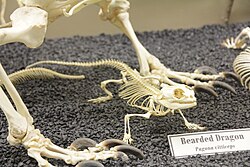
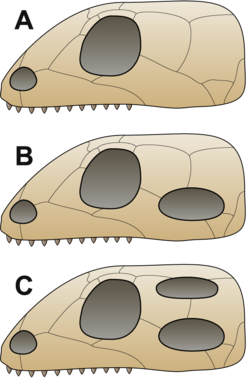
The classification of reptiles has evolved significantly. In classical taxonomy, they were divided based on the number of fenestrae (openings in the skull):
- Anapsids: No skull openings (e.g., traditional turtles).
- Synapsids: One low opening; these include the "mammal-like reptiles" and the ancestors of mammals.
- Diapsids: Two openings; this group includes lizards, snakes, crocodilians, and birds.
Modern cladistics has refined these definitions. The term Sauropsida is now used to describe a broader group that encompasses all reptiles and birds. Notably, synapsids are no longer classified as reptiles but are placed in a separate lineage leading to mammals.
The Position of Turtles
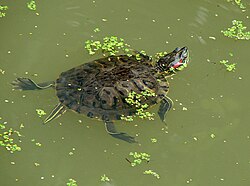
The evolutionary placement of turtles (Testudines) has been a subject of intense research. While once considered anapsids, molecular and phylogenetic evidence now suggests they are diapsids, closely related to the archosaurs (crocodilians and birds).
Evolutionary History
![Varanus priscus was a giant carnivorous goanna lizard, perhaps as long as 7 metres and weighing up to 1,940 kilograms[69]](/images/6b/f5/6bf5465db2d4cab9f2ed7c985fef6d547dbe37025cd4fe35fd1a6d23f266c223.jpg)
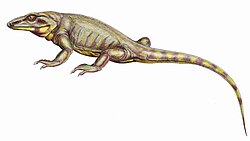
The rise of reptiles began in the Late Carboniferous. Early forms like Hylonomus are traditionally cited as some of the oldest known reptiles, though their exact placement is still debated by paleontologists.
![Restoration of Hylonomus from the Late Carboniferous of Canada, traditionally considered the oldest known reptile, but whose placement in the group has recently been questioned.[39]](/images/45/39/4539547b34079722232384bcf17cdaca98266d473cc64633301614023cea627f.jpg)
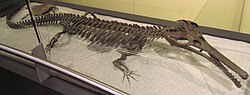
During the Mesozoic era, reptiles reached their peak diversity and size, giving rise to the dinosaurs and other megafauna. This era saw the emergence of specialized groups such as the Ichthyosauromorpha and Sauropterygia, which returned to aquatic environments.
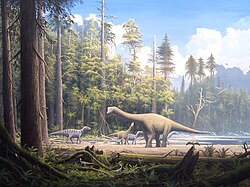
Even after the mass extinction at the end of the Cretaceous period, reptiles persisted. While many lineages vanished, others, such as the choristoderes, survived into the Miocene, roughly 11.3 million years ago.
Morphology and Physiology
Skin and Protection
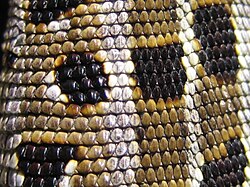
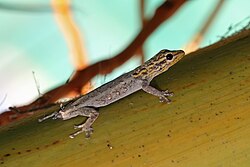
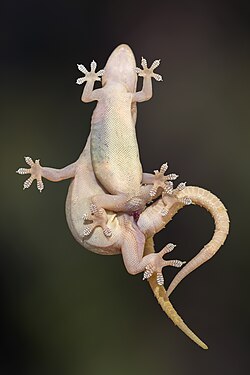
Reptiles are characterized by skin covered in scales or scutes, which prevent dehydration. Many species exhibit ecdysis, the process of shedding their skin to allow for growth. Some lizards have also evolved the ability to regenerate their tails as a defense mechanism.
Metabolism and Circulation
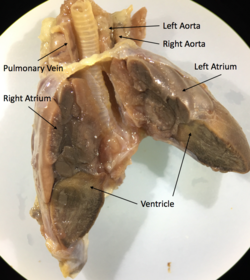
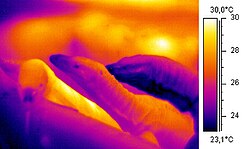
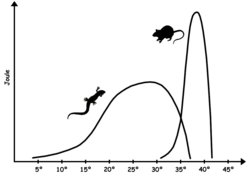
Most reptiles are ectothermic. While this means they have a lower sustained energy output compared to mammals, it allows them to survive on significantly less food. Their circulatory systems are also specialized; for example, the hearts of most reptiles (except crocodilians) have a partially divided ventricle, allowing for cardiovascular shunting.
Respiration and Digestion
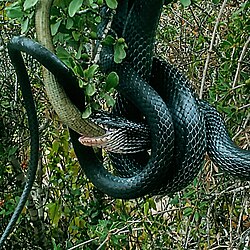
Reptiles breathe air using lungs. Some, like alligators and monitor lizards, exhibit unidirectional airflow, a highly efficient respiratory pattern also found in birds. In terms of digestion, most are carnivorous, though some are herbivorous. Some species use gastroliths (stomach stones) to help grind food.
Reproduction and Life Cycle
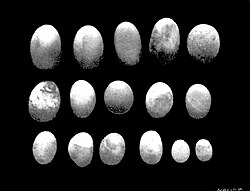
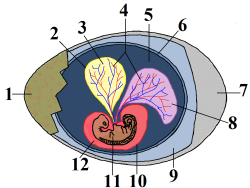
The hallmark of reptile reproduction is the amniotic egg. These eggs contain a yolk sac for nutrients and an amnion to protect the embryo, allowing them to be laid on land. Because of the shell, internal fertilization is required.
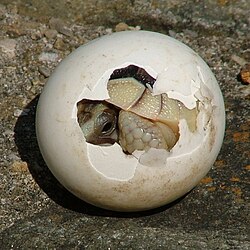
Most reptiles reproduce sexually, though some species exhibit parthenogenesis. Mating often involves specialized organs, such as the hemipenes found in squamates.
Species Diversity Summary
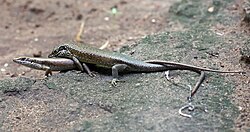
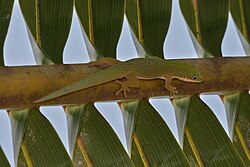
The vast majority of extant reptiles belong to the order Squamata. The following table provides a breakdown of described species.
| Group | Described Species | Percentage of Total |
|---|---|---|
| Squamates (Lizards, Snakes, Amphisbaenians) | 9,193 | 96.3% |
| Turtles (Testudines) | 327 | 3.4% |
| Crocodilians | 25 | 0.3% |
| Rhynchocephalians (Tuatara) | 1 | 0.01% |
| Total | 9,546 | 100% |
Frequently Asked Questions
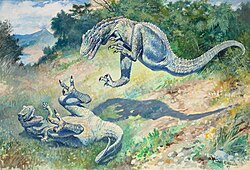

Are birds considered reptiles?
Yes, in modern phylogenetic classification, birds (Aves) are nested within the Dinosauria clade, making them technically a specialized group of reptiles.
What is the difference between a reptile and an amphibian?
The primary difference is the amniotic egg. Reptiles lay eggs with shells that can survive on land, whereas amphibians typically lay gelatinous eggs that must remain in water or moist environments.
Why do reptiles shed their skin?
Reptiles shed their skin, a process called ecdysis, because their skin does not grow at the same rate as their body. Shedding allows them to remove old, worn skin and parasites.
What are synapsids?
Synapsids are a group of animals with a single opening in the skull behind the eye. While once called "mammal-like reptiles," they are now recognized as a separate lineage from the Sauropsida (true reptiles) and are the ancestors of mammals.
How do reptiles regulate their body temperature?
As ectotherms, reptiles regulate their temperature through behavioral means, such as basking in the sun to warm up or seeking shade and burrows to cool down.