Avemetatarsalia: The Evolutionary Lineage of Birds, Dinosaurs, and Pterosaurs
In the vast history of life on Earth, few groups have captured the imagination quite like the dinosaurs and the masters of the prehistoric skies, the pterosaurs. Both belong to a broader scientific group known as Avemetatarsalia. This clade consists of all diapsid reptiles—archosaurs—that are more closely related to birds than they are to crocodilians.
From the Middle Triassic to the present day, avemetatarsalians have evolved from small, ground-dwelling carnivores into the largest terrestrial animals to ever walk the Earth and the diverse array of birds we see today. The name itself, coined by palaeontologist Michael Benton in 1999, refers to the "bird metatarsals," highlighting the specific ankle structure that defines this lineage.
Key Facts
- Temporal Range: Middle Triassic to the present (approximately 247 to 0 million years ago).
- Defining Feature: The "advanced mesotarsal" ankle, which allowed for a more upright, bipedal posture.
- Major Groups: Includes dinosaurs (and their descendants, birds) and pterosaurs.
- Flight Evolution: Pterosaurs and birds evolved powered flight independently using different anatomical structures.
- Early Ancestors: Aphanosaurs and the recently described Mambachiton represent the earliest diverging branches.
Anatomy and Physical Characteristics
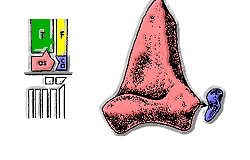
The hallmark of the avemetatarsalians is the advanced mesotarsal ankle. This anatomical arrangement features a large astragalus and a small calcaneum, functioning as a single hinge. This evolution provided significantly better mobility and supported a vertical, upright leg posture similar to that of modern mammals.
Beyond the ankle, avemetatarsalians were generally more lightly built than their crocodile-line cousins. They typically possessed smaller heads and lacked osteoderms (bony deposits forming scales or plates in the skin), though some early members were exceptions.
The Evolution of Integument and Flight
One of the most fascinating aspects of this clade is the presence of filamentary structures. These range from the downy pycnofibers found in pterosaurs to the quill-like structures in ornithischian dinosaurs like Psittacosaurus, and eventually the complex feathers of theropods and birds.
Flight evolved twice within this group. Pterosaurs were the first vertebrates to achieve powered flight, utilizing a wing membrane that stretched from the ankle to an elongated fourth finger. In contrast, birds evolved flight later, utilizing arms and fingers covered in flight feathers.
The Evolutionary Tree: From Aphanosaurs to Birds
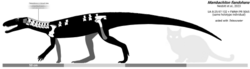
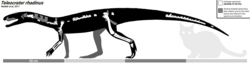
The diversification of avemetatarsalians began in the Triassic. The most primitive known members were the aphanosaurs, rare four-legged carnivores identified as a distinct group in 2017. Even more basal is Mambachiton, described in 2023 as the earliest diverging member of the clade.
Following the aphanosaurs, the lineage split into two primary subgroups known as Ornithodira:
- Pterosauromorpha: All avemetatarsalians more closely related to pterosaurs than to dinosaurs. This may include the small, insectivorous lagerpetids.
- Dinosauromorpha: All avemetatarsalians more closely related to dinosaurs than to pterosaurs. This group includes silesaurids and taxa such as Marasuchus.
Origins and Fossil Record
The fossil record places bird-line archosaurs in the Middle Triassic, roughly 245 million years ago, with the dinosauriform Asilisaurus. However, footprint evidence from Poland suggests the lineage may have emerged as early as 249 million years ago during the Olenekian age. These tracks, such as those of Sphingopus, indicate that bipedal dinosauromorphs were present by 246 million years ago, shortly after the Permian-Triassic extinction event.
| Clade/Group | Key Members | Distinguishing Feature |
|---|---|---|
| Aphanosauria | Teleocrater | Basal, quadrupedal carnivores |
| Pterosauromorpha | Pterosaurs, Lagerpetids | Membranous wings (in pterosaurs) |
| Dinosauromorpha | Dinosaurs, Silesaurids | Advanced bipedalism, diverse sizes |
| Aves | Modern Birds | Flight feathers, surviving lineage |
Classification Debates
The naming of this group has been a subject of academic discussion. While Avemetatarsalia is widely used, some researchers prefer Pan-Aves (meaning "all birds"). Others argue that Ornithosuchia should take priority based on the date it was first defined in 1986. However, the use of Ornithosuchia is controversial because it may exclude the Ornithosuchidae family, potentially violating the rules of the PhyloCode.
Frequently Asked Questions
What is the main difference between Avemetatarsalia and other archosaurs?
The primary difference is the "advanced mesotarsal" ankle joint, which allowed avemetatarsalians to have a more upright, bipedal posture compared to the more sprawling or different ankle structures of crocodile-line archosaurs.
Did pterosaurs and birds evolve flight together?
No, they evolved powered flight independently. Pterosaurs used a skin membrane supported by a single elongated finger, while birds developed wings using their entire arm and specialized feathers.
Who were the aphanosaurs?
Aphanosaurs were the most primitive (basal) known avemetatarsalians. They were four-legged carnivores that branched off the family tree before the split between dinosaurs and pterosaurs.
When did the first avemetatarsalians appear?
While skeletal fossils like Asilisaurus date to about 245 million years ago, footprint evidence suggests the lineage may have started as early as 249 million years ago in the Early Triassic.
Are all dinosaurs considered avemetatarsalians?
Yes, all dinosaurs are members of the Avemetatarsalia clade, as they are more closely related to birds than to crocodilians.