Ghost Town Classifications: Categorizing Abandoned Settlements
The transition of a bustling town into a silent relic is rarely an overnight event. Instead, it is a gradual process of decay and depopulation. To better understand these locations, researchers and enthusiasts use specific classifications to describe the state of a settlement based on its remaining infrastructure and current population.
Key Facts
- Barren sites are those where almost no physical evidence of the town remains.
- Neglected sites are characterized by roofless ruins and rubble.
- Abandoned sites maintain standing structures but lack a permanent resident population.
- Semi-abandoned sites still house a small number of residents among many empty buildings.
- Historic communities remain active but have seen their population drop to 20% or less of their peak.
The Spectrum of Decay: From Barren to Historic
Categorizing a site requires looking at two primary factors: the structural integrity of the buildings and the presence of a living community. These classifications help map the lifecycle of a settlement from its peak boom years to its eventual disappearance from the landscape.
Barren Sites
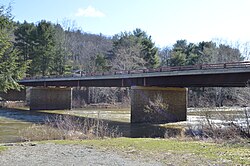
A barren site represents the final stage of a town's existence. These are locations that are no longer in existence or have been completely destroyed. In some cases, the land may have been covered with water or reverted to pasture. At most, a visitor might find a few difficult-to-locate foundations or footings.
Neglected Sites
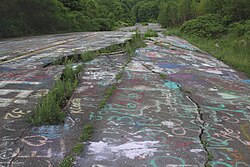
Neglected sites are a step above barren sites, as some physical evidence remains, though it is in poor condition. In these areas, all buildings are uninhabited. While some houses may still be standing, the majority are roofless ruins, and much of the site consists of rubble.
Abandoned Sites
An abandoned site is one where buildings and houses are still standing, but the general population has vanished. These sites are entirely uninhabited, with the sole exception of a possible caretaker. In some instances, the site has vanished entirely except for one or two iconic structures, such as an old grocery store or a church.
Semi-Abandoned Sites
Semi-abandoned sites exist in a state of limbo. While many buildings are abandoned and the population is small, a few residents still call the location home. These sites maintain a skeletal version of their former community life.
Historic Communities
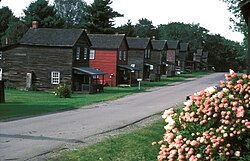
A historic community is still a busy, functioning settlement, but it is a shadow of its former self. These towns are significantly smaller than they were during their boom years, with the population having decreased dramatically—often to one-fifth (20%) or less of its peak size.
Comparison of Site Classifications
| Classification | Structural State | Population Status |
|---|---|---|
| Barren | Destroyed / Foundations only | None |
| Neglected | Rubble / Roofless ruins | None |
| Abandoned | Standing buildings | None (except caretaker) |
| Semi-Abandoned | Many abandoned buildings | Few residents |
| Historic Community | Standing buildings | Active but greatly reduced |
Frequently Asked Questions
What is the difference between a neglected site and an abandoned site?
The primary difference is structural integrity. A neglected site consists mostly of rubble and roofless ruins, whereas an abandoned site still has standing buildings and houses, even if no one lives in them.
Can a barren site have any remaining structures?
Generally, no. Barren sites are considered no longer in existence. The only remaining traces are typically a few foundations or footings that are difficult to find.
What defines a historic community in this classification system?
A historic community is defined as a still-active community that has experienced a dramatic population decline, typically falling to one-fifth or less of its population during its boom years.
Who lives in a semi-abandoned site?
Semi-abandoned sites are characterized by a small population of residents who live among a larger number of abandoned buildings.
Is a caretaker considered a resident of an abandoned site?
No. In the classification of an abandoned site, the population is considered zero, with the caretaker being the only exception to the rule of total abandonment.