Ghost Town Classification: Categorizing Abandoned and Historic Sites
The transition of a bustling settlement into a silent relic is rarely an overnight event. Instead, it is a gradual process of decay and depopulation. To accurately document these locations, researchers and historians use a specific classification system to describe the current state of a site, ranging from fully erased landscapes to communities that simply exist in a smaller capacity than they once did.
Key Facts
- Barren sites are those where almost no physical evidence of the original settlement remains.
- Neglected sites are characterized by roofless ruins and rubble.
- Abandoned sites may still have standing structures but lack a permanent resident population.
- Semi-abandoned sites maintain a small population despite widespread building vacancy.
- Historic communities are active towns that have experienced a dramatic population drop (to one-fifth or less of their peak).
The Spectrum of Site Decay
Understanding the classification of a site requires looking at two primary factors: the physical integrity of the architecture and the presence of a human population. As a site moves from a historic community to a barren site, it loses both its people and its physical footprint.
Barren Sites
A barren site is one that is no longer in existence. These locations may have been destroyed, covered by water, or reverted to pasture. In most cases, the only remaining evidence of human habitation consists of a few difficult-to-find foundations or footings.
Neglected Sites
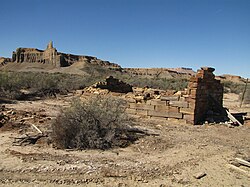
Neglected sites represent a stage where the structures are still visible but have suffered severe deterioration. In these areas, all buildings are uninhabited, and the landscape is dominated by rubble and roofless ruins. While some walls may still be standing, the majority of the structures have collapsed.
Abandoned Sites
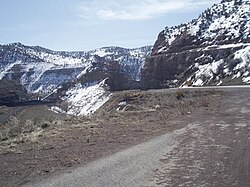
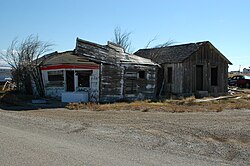
An abandoned site is characterized by buildings or houses that remain standing but are entirely devoid of a permanent population. The only human presence may be a temporary caretaker. In some instances, the site has vanished entirely except for one or two surviving structures, such as an old church or a grocery store.
Semi-Abandoned Sites
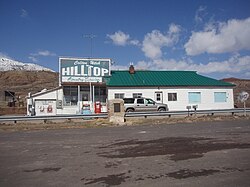
Semi-abandoned sites occupy a middle ground. While many buildings are vacant and the population is small, a few residents still call the site home. These locations maintain a skeletal version of their former community life.
Historic Communities
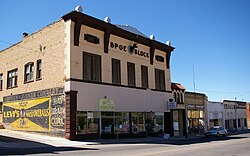
A historic community is not a ghost town in the traditional sense, as it remains a busy, active community. However, it is defined by a dramatic decrease in population compared to its boom years—typically falling to one-fifth or less of its peak size.
Site Classification Summary
| Classification | Physical State | Population Status |
|---|---|---|
| Barren | Foundations only or completely gone | None |
| Neglected | Rubble and roofless ruins | None |
| Abandoned | Standing buildings | None (except possible caretaker) |
| Semi-Abandoned | Many vacant buildings | Few residents |
| Historic Community | Standing buildings | Active, but dramatically reduced |
Frequently Asked Questions
What is the difference between a neglected site and an abandoned site?
The primary difference is the state of the buildings. A neglected site consists mostly of rubble and roofless ruins, whereas an abandoned site still has standing buildings, even if they are unoccupied.
Can a site be considered a historic community if it is still active?
Yes. A historic community is still a busy community, but it is classified as such because its population has decreased dramatically, often to one-fifth or less of its peak boom-year population.
What happens to a site that becomes "barren"?
A barren site is one where the settlement has effectively disappeared. This can happen through destruction, the land reverting to pasture, or the site being covered by water, leaving only minimal footings or foundations.
Who lives in a semi-abandoned site?
Semi-abandoned sites are inhabited by a small population of residents, although the majority of the buildings in the area remain abandoned.
Does an abandoned site always have zero people?
Generally, yes, though the classification allows for the presence of a caretaker even if there is no permanent resident population.