Germplasm: Preserving the Genetic Blueprint of Life
In the effort to secure the future of our food systems and protect the planet's biological heritage, scientists rely on a vital resource known as germplasm. While it is often confused with "germ plasm" (the determining zone of a germ cell), germplasm refers to the actual genetic resources—such as seeds, tissues, and DNA sequences—maintained for animal and plant breeding, agricultural research, and conservation efforts.
These resources act as a biological library. They can take many forms, including seed collections stored in specialized banks, trees growing in nurseries, or specific animal breeding lines maintained in gene banks. These collections range from wild species found in nature to elite, domesticated breeding lines that have been refined through extensive human selection.
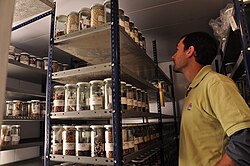
Key Facts
- Purpose: Germplasm is used for plant and animal breeding, food security, and maintaining biological diversity.
- Composition: It includes seeds, tissues, and DNA sequences.
- Storage: Resources are stored ex situ (in seed banks or via cryopreservation) or in situ (in their natural habitats).
- Scale: The U.S. National Plant Germplasm System holds over 450,000 accessions across 10,000 species.
- Current Trend: Genetic information is increasingly transitioning from physical samples to online digital sequences.
Regulation and Management of Genetic Resources
Because these resources are critical to global agriculture, they are subject to strict regulation. In the United States, the National Genetic Resources Program (NGRP) was established by Congress in 1990 to oversee these assets. Additionally, the Germplasm Resources Information Network (GRIN) serves as a vital web server providing data regarding germplasm as it relates to agricultural production.
The U.S. National Plant Germplasm System (NPGS)
Focusing specifically on botanical resources, the NPGS manages a massive repository. It holds more than 450,000 accessions—which are specific samples of genetic material—representing 10,000 species from the 85 most commonly grown crops. This system is not just a domestic resource; it manages many international species and distributes germplasm resources globally.
Challenges in the Digital Age
As genetic information moves online, the field is experiencing a shift from physical storage (like seed banks and cryopreservation) to digital platforms containing genetic sequences. This transition brings complex ethical and logistical challenges. Historically, germplasm has been collected in developing countries and shared with researchers who may later sell altered versions of that germplasm back to the original donor country. This lack of compensation for donor nations remains a significant issue in international genetic resource management.
Storage and Conservation Methods
Effective germplasm management involves a cycle of collection, storage, analysis, documentation, and the exchange of genetic information. Currently, only about 5% of existing germplasm resources consist of living samples.
Ex Situ and In Situ Conservation
To protect these resources, scientists use two primary approaches:
- Ex situ conservation: Storing resources outside their natural habitat. This includes seed banks, botanical gardens, and cryopreservation. Cryopreservation is a specialized process where germplasm is stored at extremely low temperatures, such as in liquid nitrogen, to prevent cell degradation and keep the material intact.
- In situ conservation: Protecting species within their natural environments or the specific areas where they were originally discovered.
| Method/Entity | Type | Primary Function |
|---|---|---|
| Seed Banks | Ex situ | Long-term storage of seeds |
| Cryopreservation | Ex situ | Ultra-low temperature storage of cells/tissues |
| In situ | Natural habitat | Conservation within the original ecosystem |
| Digital Sequences | Online | Storage of DNA and genetic information |
The Importance of Biodiversity and Food Security
Humanity began domesticating plant species for food and vegetation approximately 10,000 years ago. Since then, agriculture has become a cornerstone of civilization. Plant breeding has expanded the gene pool, allowing for more diverse agricultural systems. Today, researchers focus on crop wild relatives (CWRs)—wild species related to our food crops—to expand gene pools and identify target traits that can improve crop resilience.
This work is more urgent than ever due to the current biodiversity crisis. Human activities, industrialization, habitat loss, contamination, and climate change have led to the extinction of many species. By maintaining germplasm, we preserve a record of the biological diversity of plants, animals, bacteria, and fungi, providing a way to potentially regenerate habitats and protect the complex ecosystems that sustain life.
Frequently Asked Questions
What is the difference between germplasm and germ plasm?
Germplasm refers to genetic resources like seeds and DNA used for breeding and conservation. Germ plasm refers to the specific determining zone of a germ cell.
How is germplasm stored for long-term use?
Germplasm can be stored as living tissues in seed banks or botanical gardens, or through cryopreservation, which uses liquid nitrogen to keep cells intact at extremely low temperatures. It can also be stored digitally as DNA sequences.
Why is germplasm important for agriculture?
It provides the genetic diversity necessary for plant and animal breeding. By using germplasm, including crop wild relatives, breeders can introduce new traits into domesticated crops to improve food security.
What is an accession in germplasm research?
An accession is a specific sample of genetic material or DNA sequence information held within a collection.
What are the ethical concerns regarding germplasm?
A major concern involves the lack of compensation for developing countries when genetic resources collected from their lands are used by researchers to create products that are then sold back to those same countries.