GeorgiaSakartveloTbilisiCaucasus historyGeorgian wine

Georgia: A Journey Through the Heart of the Caucasus

Georgia: A Journey Through the Heart of the Caucasus Nestled at the intersection of Eastern Europe and Western Asia, Georgia (known natively as Sakartvelo) is a nation of dramatic landsca...

Georgia: A Journey Through the Heart of the Caucasus

Nestled at the intersection of Eastern Europe and Western Asia, Georgia (known natively as Sakartvelo) is a nation of dramatic landscapes, ancient traditions, and a resilient spirit. From the snow-capped peaks of the Caucasus Mountains to the subtropical shores of the Black Sea, Georgia offers a rich tapestry of history and culture that has shaped its identity as a bridge between diverse civilizations.

The nation is governed as a unitary parliamentary republic, with its capital, Tbilisi, serving as a vibrant hub of political and cultural life. With a motto that reads "Strength is in Unity," Georgia continues to navigate its path toward European integration while preserving a heritage that dates back millennia.
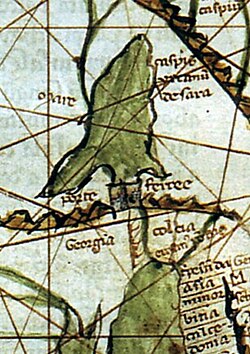
"Georgia" on a medieval mappa mundi, AD 1320

Key Facts

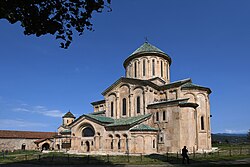
Gelati Monastery, a UNESCO World Heritage Site
  • Capital: Tbilisi, the largest city and political center.
  • Official Language: Georgian.
  • Religion: Predominantly Georgian Orthodoxy (82%).
  • Currency: Georgian lari (₾).
  • Geography: Bordered by the Black Sea to the west and the Caucasus Mountains to the north.
  • Economy: Strong trade ties with the European Union, Turkey, and the United States.

A Legacy of Resilience: Georgian History
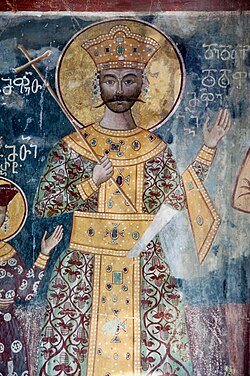
King George II faced feudal warfare and Ottoman invasions.

Ancient Roots and Medieval Unification

Georgia's early history is marked by the ancient realms of Colchis and Iberia. A pivotal moment occurred in the 4th century when King Mirian III converted the nation to Christianity, establishing a spiritual foundation that remains central to Georgian identity today.
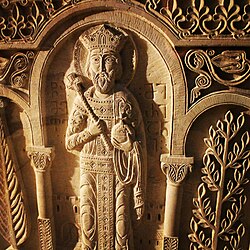
King Mirian III converted the nation to Christianity in the 4th century.

The medieval era saw the unification of Georgia in 1008, leading to a "Golden Age" of cultural and political influence. This period was epitomized by figures such as Queen Tamar, the first woman to rule Georgia, whose reign saw the nation reach its zenith of power.

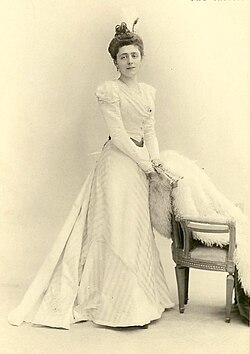
Queen Tamar, the first woman to rule Georgia.[73]

Imperial Shifts and the Struggle for Independence

Following a period of tripartite division and feudal warfare, Georgia was annexed by the Russian Empire in the 19th century. Despite this, many Georgians rose to prominence within the imperial ranks. The nation briefly regained independence on May 26, 1918, drafting one of the world's most progressive constitutions at the time.
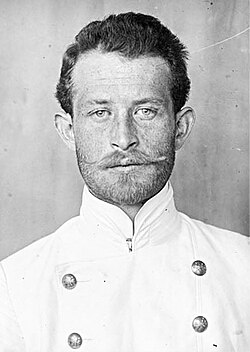
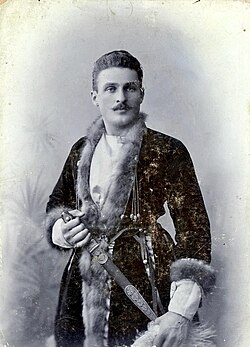
Samson Dadiani, one of the drafters of the original Georgian constitution, among the world's most progressive at the time

This independence was short-lived, as the Bolshevik takeover in 1921 led to Soviet annexation. Georgia finally regained its sovereignty from the Soviet Union in December 1991, though the transition was marred by civil unrest and conflicts in the regions of Abkhazia and South Ossetia.
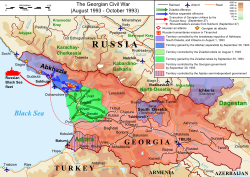
Georgian Civil War and the War in Abkhazia in August–October 1993

Modern Era and Political Evolution

The 21st century has been defined by rapid political transformation. The 2003 Rose Revolution marked a significant shift toward democratic governance. However, the nation has faced ongoing challenges, including the 2008 Russo-Georgian War and internal political shifts under the Georgian Dream government since 2012.
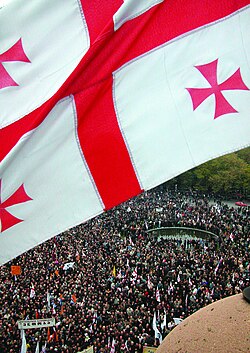
Protesters gathering at the Tbilisi Assembly Building during the Rose Revolution of 2003

Geography and Natural Wonders

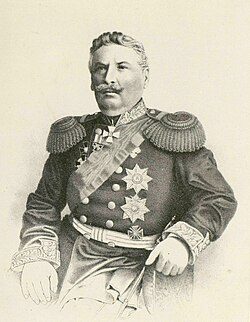
During the Russian Empire, numerous Georgians, like Ivane Andronikashvili, rose high in the imperial army ranks.

Topography and Climate

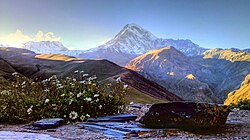
Georgia's geography is incredibly diverse. The north is dominated by the Greater Caucasus range, featuring towering peaks like Mount Kazbek. In contrast, Western Georgia enjoys a subtropical climate with lush vegetation and frequent rainfall.
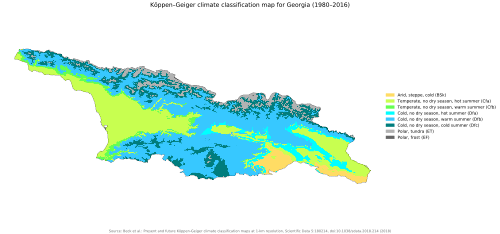
Köppen climate classification map of Georgia
Mount Kazbek in northeastern Georgia

The landscape is dotted with alpine lakes and rugged terrain, particularly in the Svaneti region, which is famous for its medieval defensive towers in Ushguli and Mestia.
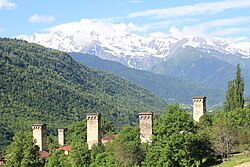
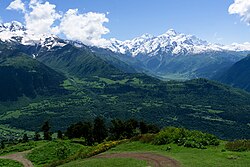
Northwestern Georgia is home to the medieval towers of Ushguli and Mestia.
Svaneti region of Georgia

Biodiversity and Wildlife

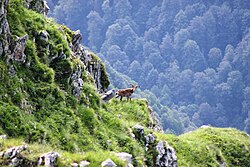
The varied climate supports a wide array of flora and fauna. From the East Caucasian tur found on the cliffs of Lagodekhi to the hardy Georgian Shepherd Dog, the country's biodiversity is a point of national pride.
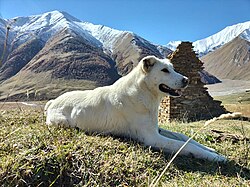
Georgian Shepherd Dog
East Caucasian tur on the cliffs of Lagodekhi Protected Areas

Government, Economy, and Society

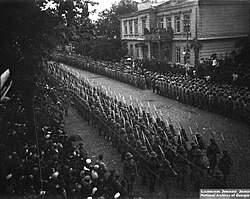
British troops marching in Batumi, Georgia, in 1920. Following World War I, Britain replaced German troops in Georgia.

Political Structure

Georgia operates as a parliamentary republic. While the President serves as the head of state, the role has seen diminished power since 2018, with the Prime Minister wielding primary executive authority.
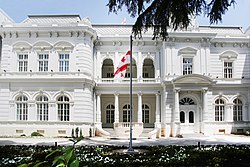
Orbeliani Palace is the official seat of the Georgian President, an institution that has seen diminished power since 2018.

Economic Drivers and Trade

The Georgian economy is heavily reliant on trade and services. The European Union is its largest trading partner, followed by Turkey and the United States. A critical component of its infrastructure is the Georgian Railways, which provide the shortest route between Europe and Central Asia via the Black and Caspian Seas.
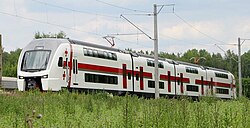
The Georgian Railways represent a vital artery linking the Black Sea and Caspian Sea – the shortest route between Europe and Central Asia.

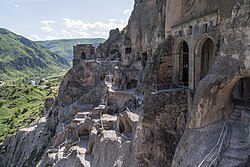
Tourism is another vital sector, with destinations ranging from the ski resorts of Gudauri to the historic cave city of Vardzia.
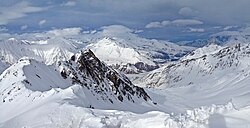
Gudauri is the most visited ski resort of Georgia.
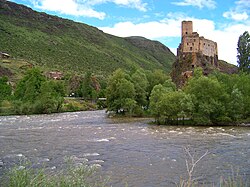
The cave city of Vardzia, with the valley of the Kura River below

Culture and Traditions

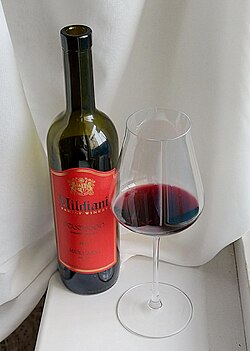
Georgian culture is world-renowned for its hospitality, polyphonic singing, and ancient winemaking techniques. The traditional supra (feast) is a cornerstone of social life, where hosts present a lavish array of food and wine, often featuring the famous Mukuzani variety.

Rather than serving food in courses, traditional supras often present all that a host has to offer.
A glass of Mukuzani. Wine-making is a traditional component of the Georgian economy.
Category Detail
Population (2024) 3,657,000
Total Area 69,700 km²
GDP per capita (PPP 2026 est.) $33,340
Human Development Index (2023) 0.844 (Very High)
Main Trading Partner European Union (22.1%)

Frequently Asked Questions
Georgian nationalist and anti-Soviet campaigner Leo Kereselidze was among those forced into exile by Bolshevik takeover
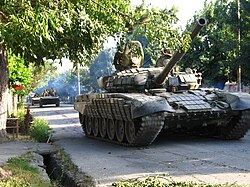
A Russian tank during its invasion of Georgia.
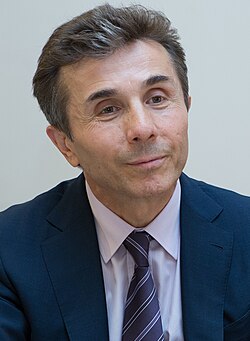
Bidzina Ivanishvili, founder and honorary chairman of Georgian Dream.
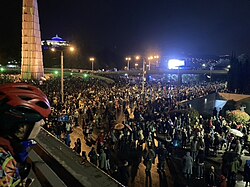
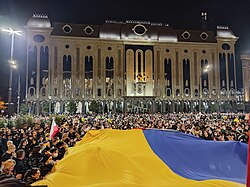
Hundreds of protesters obstructing traffic at Heroes Square
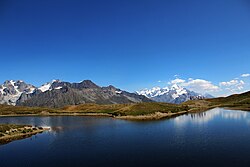
Mountain lakes in the country's northwest
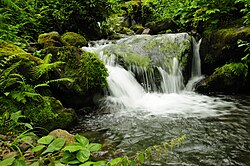
Parts of Western Georgia have a subtropical climate, with frequent rain and plenty of green vegetation.
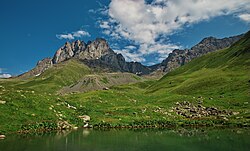
A small alpine lake in northeastern Georgia
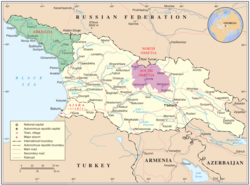
Map of Georgia highlighting the disputed territories of Abkhazia and Tskhinvali Region (South Ossetia), both of which are outside the control of the central government of Georgia
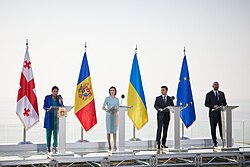
President of Georgia Salome Zourabichvili, President of Moldova Maia Sandu, President of Ukraine Volodymyr Zelensky and President of the European Council Charles Michel during the 2021 Batumi International Conference. In 2014, the EU signed Association Agreements with all three states.
Georgians demonstrating in solidarity with Ukraine shortly after the 2022 Russian invasion.
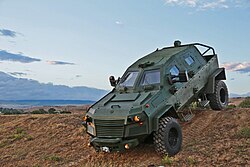
Georgian-built Didgori Warrior
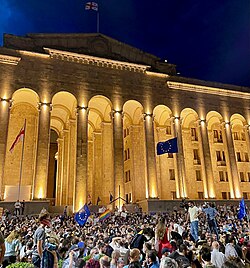
Georgians protesting against homophobia in front of parliament following anti-LGBT unrest
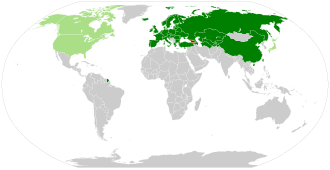
Georgia Countries with whom Georgia signed Free Trade Agreement (FTA) Countries with whom Georgia has General Schemes of Preference (GSP)
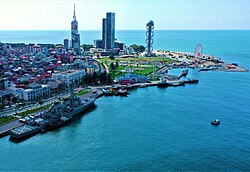
Batumi Seaport in June 2020
Ethno-linguistic groups in the Caucasus region as of 1995[324]
Elizabeth Orbeliani, Georgia's first woman professor and co-founder of Tbilisi State University in 1918
Sandro Akhmeteli, Georgia's preeminent theater director and a critic of the Great Terror.
Khertvisi Fortress, an example of medieval Georgian architecture
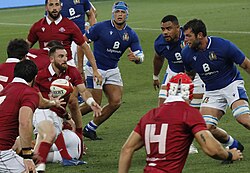
Georgia playing Italy at rugby in the Adjarabet Arena in Batumi

What is the official language of Georgia?

The official language is Georgian, which uses its own unique alphabet. Abkhaz is also recognized as a regional language.

What is the significance of the Rose Revolution?

The Rose Revolution of 2003 was a peaceful transition of power that led to significant government reforms and a shift toward pro-Western policies.

Which regions of Georgia are currently disputed?

The territories of Abkhazia and the Tskhinvali Region (South Ossetia) are currently outside the control of the central Georgian government and are considered occupied territories.

Why is Georgia famous for its wine?

Georgia is considered one of the oldest wine-producing regions in the world, with traditional winemaking being a core part of its economy and cultural heritage.

What is the primary religion in Georgia?

The vast majority of the population (82%) practices Georgian Orthodoxy, a branch of Christianity established in the 4th century.

References

  1. In the Autonomous Republic of Abkhazia.[1][2]
  2. As result of the 2024 Georgian parliamentary election and the subsequent constitutional crisis, key political positions and the legitimacy of Georgia's parliament have been disputed. Opposition forces have contested the legitimacy of Kavelashvili, and the outgoing president Salome Zourabichvili has claimed to continue to be legitimate president.[6][7][8] Also, international platforms have disputed the legitimacy of the de facto Georgian authorities after the 2024 elections, including the European Parliament.[9]
  3. Georgian: საქართველო, romanized: sakartvelo, IPA: [sakʰartʰʷelo]
  4. For a more complete explanation, see: Boundaries between the continents
  5. This figure excludes Abkhazia and South Ossetia, two Russian-occupied territories of Georgia that only Russia and a small number of other countries recognize. The government of Georgia considers the two areas as integral parts of the country, with international support.