George Washington: The Military and Political Architect of the United States
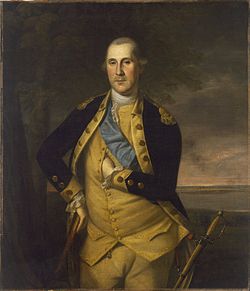
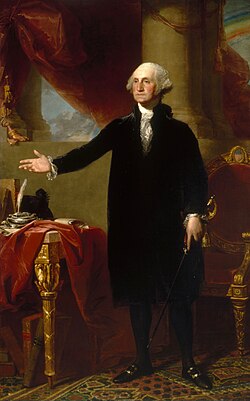
George Washington stands as the central figure in the birth of the United States, serving as the indispensable leader who transitioned the colonies from British rule to an independent republic. From his early days as a surveyor in Virginia to his tenure as the first President, Washington's life was defined by a commitment to duty, leadership, and the establishment of democratic precedents.
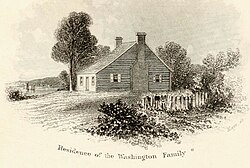
Born on February 22, 1732, in Popes Creek, Virginia, Washington spent much of his youth at Ferry Farm, the family residence on the Rappahannock River. This early environment shaped his character and provided the foundation for his later roles as a planter, surveyor, and soldier.
Key Facts
- First President: Served two terms from April 30, 1789, to March 4, 1797.
- Military Leadership: Commander-in-Chief of the Continental Army during the American Revolutionary War.
- Political Precedent: Presided over the Constitutional Convention of 1787.
- Final Rank: Posthumously appointed General of the Armies.
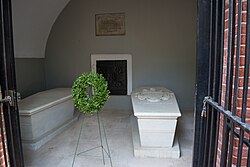
- Residence: Lived and is buried at his estate, Mount Vernon.
Early Military Career and the French and Indian War
Washington's military journey began in 1752 with the Virginia Militia. His early experience was forged during the French and Indian War, a conflict that provided him with critical lessons in wilderness warfare and leadership. He participated in several key engagements, including the Battle of Jumonville Glen and the Battle of Fort Necessity.
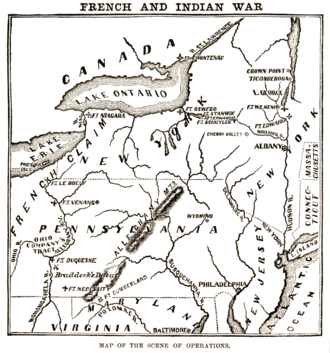
Despite the challenges of the Braddock Expedition and the Battle of the Monongahela, Washington emerged as a resilient officer, eventually serving in the Forbes Expedition. These years established his reputation as a brave and capable soldier long before the revolution began.
The Revolutionary War: Leading the Continental Army
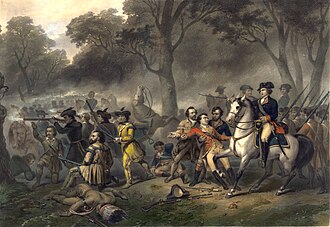
In 1775, the Continental Congress appointed Washington as the Commander-in-Chief of the Continental Army. His primary task was to transform a disparate group of colonial militias into a professional fighting force capable of challenging the British Empire.
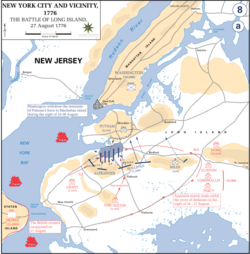
Washington led the army through several grueling campaigns, starting with the Siege of Boston and moving into the New York and New Jersey campaigns. One of the most pivotal moments of the war occurred during the Battle of Long Island, where Washington faced significant setbacks but managed to keep the army intact.
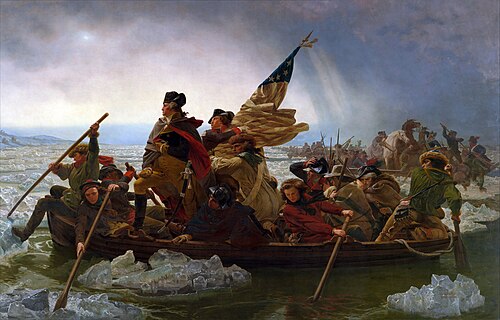
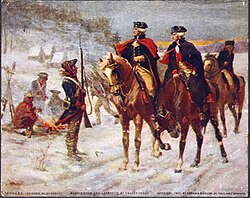
To regain momentum, Washington executed a daring crossing of the Delaware River, leading to surprise victories at Trenton and Princeton. The war continued through the Philadelphia campaign, including the battles of Brandywine and Germantown, and the hardships of the winter at Valley Forge, where Washington worked closely with figures like the Marquis de Lafayette to refine the army's discipline.
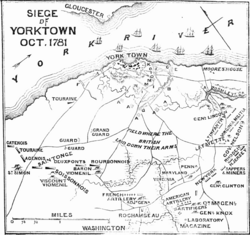
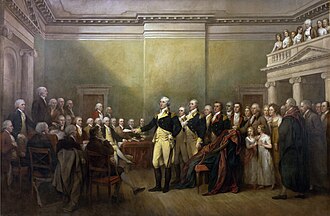
The conflict reached its climax in the Southern theater, culminating in the Siege of Yorktown. With the surrender of British forces, the path to American independence was secured. In a move that stunned the world, Washington resigned his commission in 1783, voluntarily relinquishing power to return to civilian life.
The Birth of a Republic and the Presidency
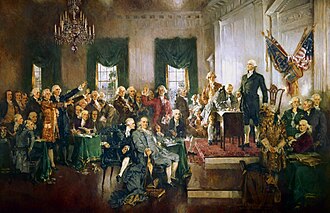
After returning to Mount Vernon, Washington was called back to public service to preside over the Constitutional Convention of 1787. His presence provided the necessary legitimacy and stability for the drafting of the U.S. Constitution.
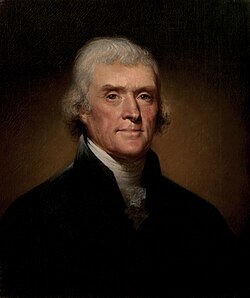
In 1789, Washington was elected as the first President of the United States. He established the first presidential cabinet, appointing figures such as Thomas Jefferson as Secretary of State and Alexander Hamilton as Secretary of the Treasury. His presidency focused on stabilizing the economy, defining the powers of the executive branch, and maintaining neutrality in foreign conflicts.
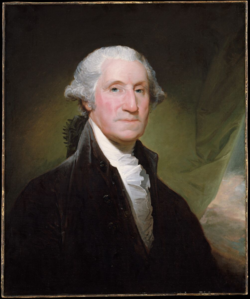
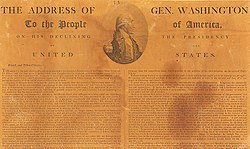
Washington served two terms, ending his presidency in 1797. He left a lasting legacy through his Farewell Address, in which he cautioned the young nation against the dangers of permanent foreign alliances and the divisive nature of political parties.
Personal Life, Philosophy, and Legacy
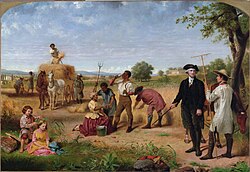
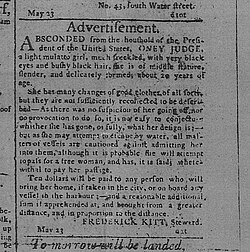
Washington's personal life was marked by his marriage to Martha Dandridge Custis and his management of the Mount Vernon estate. However, his legacy is complex; while he fought for liberty, he was a planter who relied on enslaved labor, a contradiction reflected in historical records such as the runaway advertisement for Ona Judge.
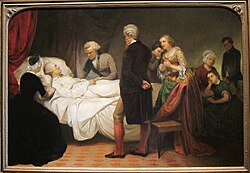
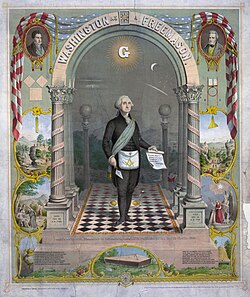
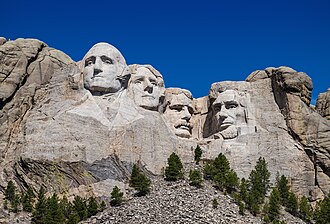
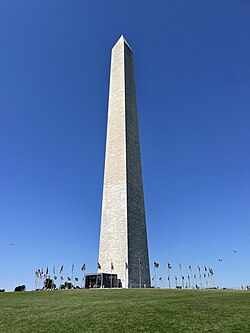
Beyond his political and military achievements, Washington was a Freemason and a man of private spiritual views. He died on December 14, 1799, at the age of 67. Today, he is commemorated through numerous monuments, including the Washington Monument and the carvings at Mount Rushmore.
Summary of George Washington's Career
| Role | Term/Years | Key Contribution |
|---|---|---|
| Commander-in-Chief, Continental Army | 1775–1783 | Led the colonies to victory in the Revolutionary War |
| Presiding Officer, Constitutional Convention | 1787 | Guided the creation of the U.S. Constitution |
| 1st President of the United States | 1789–1797 | Established the executive branch and federal precedents |
| Chancellor, College of William & Mary | 1788–1799 | Academic leadership in Virginia |
Frequently Asked Questions
Why did George Washington resign his commission in 1783?
Washington resigned his commission to ensure that the new nation would be governed by civilian authority rather than a military dictatorship, setting a critical precedent for the United States.
Who were the key members of Washington's first cabinet?
His primary cabinet members included Thomas Jefferson as Secretary of State, Alexander Hamilton as Secretary of the Treasury, and Henry Knox as Secretary of War.
What was the purpose of Washington's Farewell Address?
The address served as a guide for future generations, warning against the risks of political factionalism (parties) and the dangers of becoming entangled in permanent foreign alliances.
Where is George Washington buried?
George Washington is buried at his estate, Mount Vernon, in Virginia, alongside his wife, Martha Washington.
What military rank did Washington hold at the end of his life?
During his service, he held the rank of Lieutenant General in the U.S. Army, and he was later posthumously appointed General of the Armies.