Bernardo de Gálvez: The Spanish Hero of the American Revolution
While the American Revolutionary War is often viewed as a struggle between thirteen colonies and the British Empire, the victory of the United States was bolstered by critical international support. Among the most influential figures of this era was Bernardo de Gálvez y Madrid, a Spanish military leader and statesman whose strategic brilliance and covert assistance provided the American rebels with the supplies and military pressure necessary to secure independence.
From the mountain villages of Spain to the highest offices of the New World, Gálvez's career was marked by a relentless pursuit of military excellence and a deep commitment to the strategic interests of the Spanish Crown under King Charles III.
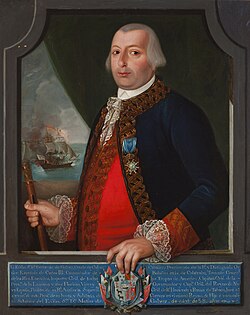
Key Facts
- Full Name: Bernardo de Gálvez y Madrid, 1st Count of Gálvez.
- Major Roles: Governor of Louisiana, Governor of Cuba, and 49th Viceroy of New Spain.
- Key Contribution: Provided covert military supplies (gunpowder, muskets, medicine) to American patriots.
- Military Victories: Captured Fort Bute, Baton Rouge, and Mobile, and led the Siege of Pensacola.
- Honors: Awarded honorary U.S. citizenship and the Order of Charles III.
Early Life and Military Foundations
Born on July 23, 1746, in Macharaviaya, Málaga, Spain, Bernardo de Gálvez was the son of Matías de Gálvez and María Josefa de Madrid. His education in military sciences began at the Academia de Ávila, and by age 16, he was already seeing action during the Spanish invasion of Portugal. This early experience earned him a promotion to infantry lieutenant.
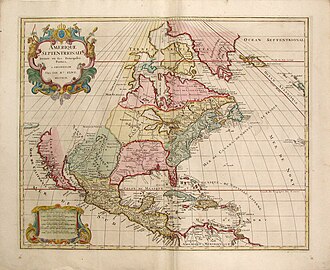
In 1769, Gálvez arrived in the Viceroyalty of New Spain (a vast territory encompassing present-day Mexico and several U.S. states). Serving as a captain, he fought against the Apaches alongside Opata Indian allies, sustaining several serious wounds in the process. His leadership capabilities were recognized early, and by 1770, he was appointed commandant of arms for the northern provinces of Sonora and Nueva Vizcaya.
Gálvez's preparation for high command continued in Europe. He spent three years in Pau, France, with the Royal Cantabria regiment, an elite Franco-Spanish unit. It was here that he mastered the French language, a skill that would prove indispensable during his later administration in Louisiana.
The Governor of Louisiana and the American Revolution
In 1777, King Charles III sought to support the American colonies covertly to weaken British power without entering a formal alliance. José de Gálvez, the minister of the Council of the Indies, appointed his nephew Bernardo as the Governor of Louisiana with a secret mission: secure the friendship of the United States.
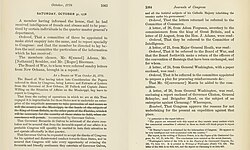
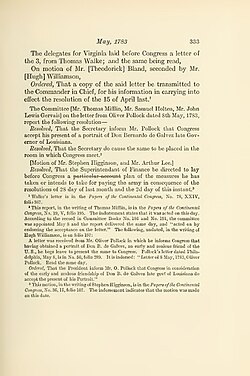
Because the British had blockaded colonial ports, the Mississippi River became a vital lifeline. Working with American patriot Oliver Pollock, Gálvez facilitated the shipment of gunpowder, muskets, uniforms, and medicine to the rebels. This logistical support was critical to the American war effort.
Military Campaigns in the Gulf South
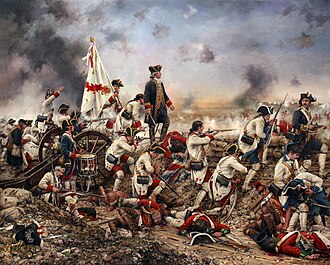
Gálvez did not limit his support to supplies; he launched a masterful military campaign to expel British forces from the region. In 1779, he defeated the British at Fort Bute and Natchez. On September 21, 1779, he won the Battle of Baton Rouge, which cleared the lower Mississippi Valley of British presence and removed the immediate threat to New Orleans.
His momentum continued into 1780 with the recapture of Mobile at the Battle of Fort Charlotte, culminating in the decisive Siege of Pensacola in 1781, where he was wounded in action but ultimately successful.
Ascension to Viceroy of New Spain
In recognition of his achievements, King Charles III ennobled him as the Count of Gálvez and Viscount of Gálvez-Town on May 20, 1783. He was promoted to lieutenant-general and appointed Governor and Captain-General of Cuba.
Following the death of his father, Matías de Gálvez y Gallardo, Bernardo was appointed the 49th Viceroy of New Spain. He arrived in Mexico City in June 1785. His tenure as Viceroy was brief but impactful, though it was cut short by tragedy. After a typhus epidemic swept through the region in 1786, Gálvez became one of its final victims. He died on November 30, 1786, at the age of 40 in the Tacubaya District of Mexico City.
Legacy and Honors
Bernardo de Gálvez is remembered as a pivotal figure who bridged the gap between the Spanish Empire and the nascent United States. His contributions are honored through various monuments and official recognitions in both Spain and the U.S.
| Period | Role/Title | Key Achievement/Location |
|---|---|---|
| 1769–1772 | Captain | Fought Apaches in New Spain |
| 1777–1783 | Governor of Louisiana | Supplied American rebels; won Battle of Baton Rouge |
| 1783–1785 | Governor of Cuba | Ennobled as Count of Gálvez |
| 1785–1786 | Viceroy of New Spain | Highest administrative authority in Mexico |
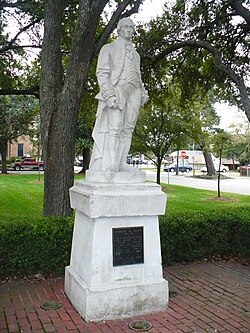
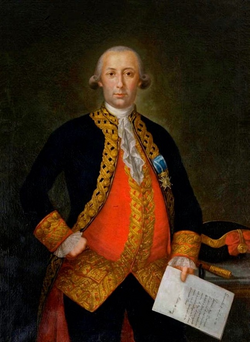
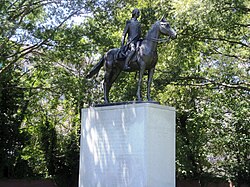
Today, his legacy is immortalized by an equestrian statue on Virginia Avenue in Washington D.C., a statue in Spanish Plaza in Mobile, Alabama, and a portrait displayed at the United States Capitol. In a rare gesture of gratitude, the U.S. Congress later conferred honorary citizenship upon him.
Frequently Asked Questions
How did Bernardo de Gálvez help the American Revolution?
Gálvez provided covert assistance by selling and shipping essential military supplies—including gunpowder, muskets, and medicine—to the American patriots via the Mississippi River, bypassing British naval blockades.
What were Gálvez's most significant military victories?
His most notable victories include the capture of Fort Bute, the Battle of Baton Rouge in 1779, the Battle of Fort Charlotte in Mobile, and the successful Siege of Pensacola.
What was the highest office Gálvez held?
The highest office he held was the 49th Viceroy of New Spain, serving from June 1785 until his death in November 1786.
Why is Gálvez honored in the United States today?
He is honored for his critical role in supporting the American independence movement, which led to the U.S. Congress granting him honorary citizenship and erecting monuments in his honor in Washington D.C. and Alabama.
What caused the death of Bernardo de Gálvez?
Bernardo de Gálvez died at the age of 40 in 1786, having succumbed to the effects of a typhus epidemic that had struck Mexico City.