Genetic Diversity: The Biological Blueprint for Species Survival
In the complex tapestry of life, genetic diversity serves as the fundamental toolkit for survival. It represents the total number of genetic characteristics within the makeup of a species, ranging from the vast differences between various species to the subtle variations found among individuals within a single population. While often confused with genetic variability—which refers to the tendency of those characteristics to vary—genetic diversity is a critical metric that can be directly correlated to a species' ability to endure over time.
At its core, genetic diversity is an evolutionary insurance policy. It allows populations to adapt to shifting environments. When a population possesses a wide array of alleles (different versions of a gene), it is more likely that some individuals will carry traits suited for new challenges. These successful individuals survive and pass their beneficial alleles to the next generation, ensuring the population's continued existence.
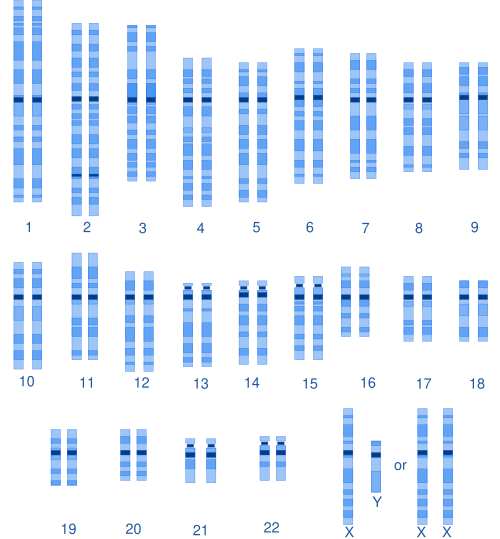
Key Facts
- Genetic diversity enables populations to adapt to changing environmental conditions.
- High genetic diversity is essential for maintaining overall biodiversity.
- Gene flow, such as through migration, can introduce beneficial new alleles to a population.
- Low genetic diversity can increase a species' susceptibility to extinction and disease.
- In agriculture, a lack of diversity can lead to catastrophic crop failures.
The Mechanisms of Population Genetics
The study of how genetic diversity evolves is known as population genetics. Several key hypotheses explain how these variations arise and persist:
- Neutral Theory of Evolution: This proposes that much of the diversity we see is the result of the accumulation of neutral substitutions that do not affect survival.
- Diversifying Selection: This occurs when two subpopulations of a species live in different environments, leading to the selection of different alleles at specific locations in the genome.
- Frequency-Dependent Selection: In this scenario, as an allele becomes more common, it may become more vulnerable. This is frequently seen in host-pathogen interactions, where a common defensive trait in a host makes it easier for a pathogen to adapt and spread.
Within-Species Diversity and Ecosystem Health
Research conducted by the National Science Foundation in 2007 highlights a critical link: genetic diversity and biodiversity are interdependent. Dr. Richard Lankau, the study's lead researcher, noted that removing even one type of diversity can break the ecological cycle, allowing a single species to dominate a community.
This diversity is not random; it is heavily structured and correlates with environmental stress and variation. It can be observed at multiple levels, including protein, DNA, and the entire organism.
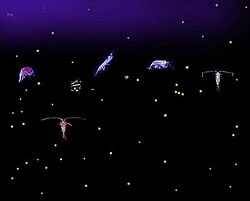
Adaptive vs. Neutral Genetic Diversity
For conservationists, distinguishing between adaptive genetic diversity and neutral diversity is vital. Adaptive potential—the ability of a species to evolve in response to climate change—can dictate whether a species survives or goes extinct. Interestingly, some species, such as those in the genus Arabidopsis, show high adaptive potential even when their overall genetic diversity is low due to historical bottlenecks (sharp reductions in population size).
Because identifying specific adaptive genes is difficult, measuring overall genetic diversity remains a primary tool for planning conservation efforts. A rapid decline in this diversity is often a warning sign of high extinction risk.
The Role of Gene Flow and Mutation
Genetic diversity is constantly being reshaped by gene flow—the movement of genetic material through processes like migration or the wind-blown movement of pollen. Gene flow can introduce novel alleles into a population, increasing its overall variation.
A notable example involves the African mosquitoes Anopheles gambiae and Anopheles coluzzi. An insecticide-resistant mutation arose in A. gambiae through mutation. When these mosquitoes migrated, the beneficial resistance gene was transferred to A. coluzzi via gene flow, increasing the genetic diversity of the latter species.
Impacts Across Different Sectors
Agriculture and Crops
The dangers of low genetic diversity are historically evident in the 19th-century Great Famine in Ireland. Because many potato plants were grown as clones (reproduced from pieces of a parent plant rather than through sexual reproduction), there was no genetic diversity. The population relied heavily on the "lumper" variety, which was highly susceptible to the rot-causing organism Phytophthora infestans, leading to widespread starvation.
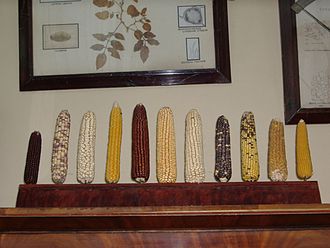
Livestock and Animal Husbandry
In livestock, genetic diversity is the raw material for selective breeding and allows animals to adapt to various environments. However, this diversity is under threat. According to the Food and Agriculture Organization (FAO) of the United Nations, as of June 2014, 17% of the 8,774 recorded breeds in the Domestic Animal Diversity Information System (DAD-IS) were at risk of extinction, and 7% were already extinct.
Viral Evolution and Vaccines
High genetic diversity in viruses presents a significant challenge for medicine. It allows viruses to evolve rapidly, potentially resisting vaccines. For instance, the high diversity in protein antigens affects malaria vaccine design, and the diversity in HIV-1 complicates viral load and resistance testing. Coronaviruses also show significant evolutionary diversity through mutation and homologous recombination (a process where the RNA-dependent RNA polymerase undergoes template switching during replication).
Coping with Low Genetic Diversity
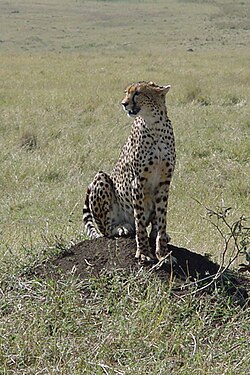
Some species have developed natural ways to combat low diversity. The cheetah is a prime example of a threatened species struggling with low genetic diversity and poor sperm quality. However, female cheetahs utilize induced ovulation—producing a new egg every time they mate. By mating with multiple males per litter, they can increase the genetic diversity within a single group of cubs.
Measuring Genetic Diversity
Scientists use several metrics to assess the health of a population:
- Gene diversity: The proportion of polymorphic loci across the genome.
- Alleles per locus: A measure of variability within a specific gene location.
- Species richness: The total number of different species in an area.
- Species abundance: A relative measure of how many individuals of a species are present.
- Species density: The number of species per unit of area.
| Concept | Definition | Key Implication |
|---|---|---|
| Genetic Diversity | Total genetic characteristics in a species | Determines survival and adaptation potential |
| Gene Flow | Movement of genetic material (e.g., migration) | Introduces new alleles to populations |
| Bottleneck | Sharp reduction in population size | Can lead to low overall genetic diversity |
| Homologous Recombination | Template switching during RNA replication | Increases viral evolutionary diversity |
Frequently Asked Questions
What is the difference between genetic diversity and genetic variability?
Genetic diversity refers to the total number of genetic characteristics in a species' makeup, whereas genetic variability describes the tendency of those characteristics to vary.
How does gene flow affect a population?
Gene flow, often occurring through migration, introduces new alleles to a population, which can increase its overall genetic diversity.
Why is genetic diversity important for vaccine development?
High genetic diversity in viruses makes it difficult to design targeted vaccines, as the virus can quickly evolve to resist the vaccine's effects.
How did the Irish Potato Famine demonstrate the risk of low diversity?
The reliance on a single, genetically identical variety of potato (the "lumper") meant the entire crop lacked the diversity needed to resist the Phytophthora infestans fungus, leading to total crop failure.
Can a species with low genetic diversity still survive?
Yes, some species possess high adaptive genetic diversity despite low overall genetic diversity, though they remain at higher risk of extinction due to environmental changes.