Gay: The Linguistic Evolution of a Term
The word gay is one of the most dynamic examples of linguistic shift in the English language. While it is primarily used today to describe a person's sexual orientation or the cultures associated with homosexuality, its origins were rooted in emotion and aesthetics rather than identity. Over several centuries, the term transitioned from describing a mood to implying sexual promiscuity, and eventually becoming a cornerstone of identity for the LGBTQ community.
In modern English, the term functions as both an adjective and a noun. While it is frequently used as an umbrella term for people attracted to members of the same sex, it is most commonly associated with men. This evolution reflects broader social changes in how sexual orientation is understood and expressed.
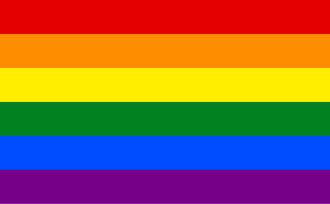
Key Facts
- Original Meaning: Carefree, cheerful, or bright and showy.
- Sexualization: By the 17th century, it began to imply a lack of moral constraint, often referring to prostitutes or womanizers.
- Identity Shift: It became the preferred term for homosexual men in the 1960s.
- Modern Usage: Recommended by major LGBTQ style guides as a descriptor for same-sex attraction.
- Pejorative Use: Since the 1980s, it has been used as a generic insult meaning "stupid" or "weak," a practice criticized as a microaggression.
The History of "Gay"
From Cheerfulness to Dissipation
For centuries, the primary meaning of gay was "joyful" or "bright." This is evident in historical references like the "Gay Nineties" of the 1890s or the 1941 film The Gay Parisian. However, as early as the 14th century, the word began to acquire associations with sexual immorality. By the late 17th century, being "gay" implied being addicted to pleasures and uninhibited by moral constraints.
During this era, the term was used as a colloquial euphemism. A "gay woman" typically referred to a prostitute, a "gay man" to a womanizer, and a "gay house" to a brothel.
![Cartoon from Punch magazine in 1857 illustrating the use of "gay" as a colloquial euphemism for being a prostitute;[11] one woman says to the other (who looks glum), "How long have you been gay?" The poster on the wall is for La Traviata, an opera about a courtesan](/images/b9/38/b938b45f633197edf45d29748ddc5255e3c8fe847b9f6f390387c774fea6d234.jpg)
The Transition to Homosexuality
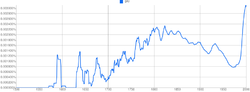
The application of the word to homosexuality was an extension of this "uninhibited" connotation, implying a willingness to disregard conventional sexual mores. While some usage dates back to the late 19th century, it became more documented in the 1920s. One of the first traceable published uses of the word to refer to a homosexual relationship appears in Gertrude Stein's 1922 work, Miss Furr & Miss Skeene.
By 1950, the term was being used as a self-descriptor within the community, though some observers at the time viewed it as a misnomer, noting the sadness often found in the bars frequented by those who called themselves gay.
The Mid-Century Shift and Modern Identity
Mainstream Adoption
By the 1960s, "gay" had become the favored term for homosexual men to describe their orientation. This shift occurred even as the original meaning of "cheerful" persisted in popular culture. For instance, the theme song for The Flintstones (1960–1966) promised viewers a "gay old time," and the 1966 hit "No Milk Today" by Herman's Hermits used the word to describe a lively company.
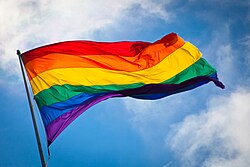
By the turn of the 21st century, major LGBTQ groups and professional style guides, including the Associated Press, began recommending "gay" over "homosexual" as the preferred descriptor.
The Rise of Pejorative Usage
Starting in the late 1970s and accelerating in the 1980s and 90s, a new, derogatory use of the word emerged among younger speakers. In this context, "gay" was used as a generic insult to mean "rubbish," "stupid," "weak," or "boring."
Modern research has highlighted the impact of this usage. A 2013 study by University of Michigan and Appalachian State University researchers categorized the phrase "that's so gay" as a microaggression—a subtle, often unconscious slight. Further research in 2019 linked increased exposure to such phrases with greater academic stressors for LGBQ+ college students.

Summary of Linguistic Evolution
| Era | Primary Meaning | Connotation |
|---|---|---|
| Pre-17th Century | Carefree / Bright | Positive / Aesthetic |
| 17th - 19th Century | Promiscuous / Dissipated | Moral looseness / Euphemistic |
| Early to Mid-20th Century | Homosexual | Coded / Emerging identity |
| 1960s - Present | Sexual Orientation | Identity / Community pride |
| 1980s - Present | Generic Insult | Pejorative / Heteronormative |
Frequently Asked Questions
What was the original meaning of the word gay?
Originally, the word meant "carefree," "cheerful," or "bright and showy." It was commonly used in literature and speech to describe a joyful mood or a vivid appearance.
When did the word start to refer to homosexuality?
While some usage exists in the late 19th century, it became more documented in the 1920s and was widely adopted as a self-descriptor for homosexual men by the 1960s.
Why is the phrase "that's so gay" considered offensive?
This usage is considered a microaggression because it equates homosexuality with something negative, stupid, or inferior, reinforcing heteronormative biases.
Is "gay" used as a noun or an adjective?
In modern English, it is used as both. As an adjective, it describes a person's orientation; as a noun, it often refers to the community, cultures, and practices associated with homosexuality.
How does the term differ from "homosexual" in style guides?
Many modern style guides, such as those from the Associated Press, recommend using "gay" over "homosexual," as the latter can carry a more clinical or outdated connotation.