Gardener Roles and Responsibilities: From Hobbyist to Landscape Architect
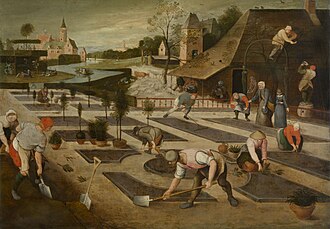
Gardening is arguably one of the oldest occupations in human history. Whether practiced as a relaxing hobby in a residential backyard or as a highly specialized profession on a grand estate, the role of a gardener is as diverse as the plants they tend. At its core, a gardener is anyone involved in the practice of gardening, ranging from home-owners growing food in small orchards to professional employees in large-scale plant nurseries.
The Distinction Between Design and Maintenance
While the terms are often used interchangeably in casual conversation, there is a significant distinction between the creation of a garden and its ongoing care. In professional settings, the garden designer focuses on the conceptualization and planning of a space, while the gardener focuses on the practical labor required to bring that vision to life and keep it thriving.
Garden Design and Landscape Architecture
Garden design is often regarded as an art form. Designers and landscape architects—professionals who specialize in the planning and design of outdoor spaces—work to create a blueprint for construction. This process involves optimizing various environmental factors, such as soil quality, location, climate, and geological conditions, to select the most appropriate plant life.
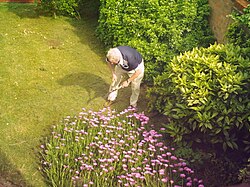
Modern landscape architects design a wide array of environments, including private residential estates, public parks, parkways, and even corporate office campuses. In many regions, professional designers are certified by organizations such as the Association of Professional Landscape Designers. Throughout history, famous figures like Vita Sackville-West, Gertrude Jekyll, and William Robinson have bridged the gap between being both skilled gardeners and visionary designers.
Designers can implement various themes to achieve specific aesthetic or ecological goals, such as:
- Perennial gardens: Featuring plants that live for more than two years.
- Wildlife and Butterfly gardens: Designed to support local ecosystems.
- Japanese gardens: Focused on specific cultural aesthetics and tranquility.
- Water, Tropical, or Shade gardens: Tailored to specific moisture and light conditions.
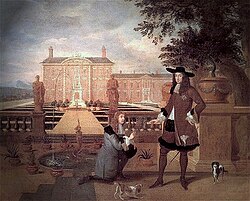
Historically, this art reached grand scales in 18th-century Europe, where landscape gardeners transformed country estates into formal gardens or expansive parklands, exemplified by the famous gardens at Versailles in France and Stowe Gardens in England.
The Art of Garden Maintenance
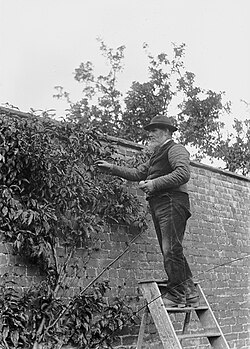
Once a design is implemented, the focus shifts to maintenance. The gardener possesses the specialized skills necessary to preserve the integrity of the original design. This is a year-round commitment that involves a variety of technical horticultural tasks.
Key maintenance activities include:
- Planting and Propagation: Starting young plants from seeds in early spring for later transplantation.
- Pruning and Grafting: Shaping plants and joining plant tissues to promote growth or fruit production.
- Deadheading: Removing faded flowers to encourage further blooming.
- Pest Control: Mixing and preparing insecticides and other products to manage plant health.
- Weed Management: Using physical or chemical methods to prevent weeds from outcompeting ornamental or edible plants.
- Soil Care: Tending to garden compost to ensure nutrient-rich soil.
Key Facts
- Gardening is considered one of the oldest human occupations.
- Garden design is an art form focused on planning, while gardening typically refers to maintenance.
- Landscape architects design everything from private gardens to corporate office parks.
- Successful garden design requires optimizing soil, climate, and geological conditions.
- Professional landscape designers may be certified by the Association of Professional Landscape Designers.
Comparison of Gardening Roles
| Role | Primary Focus | Key Responsibilities |
|---|---|---|
| Garden Designer | Conceptualization | Creating plans, selecting themes, and optimizing environmental conditions. |
| Landscape Architect | Large-scale Planning | Designing public parks, campuses, and complex outdoor environments. |
| Gardener | Practical Execution | Planting, weeding, pruning, pest control, and maintaining design integrity. |
Frequently Asked Questions
What is the difference between a gardener and a garden designer?
A garden designer focuses on the creative planning and the artistic layout of a garden, whereas a gardener performs the physical labor and maintenance required to keep the plants and the design healthy.
What factors do designers consider when planning a garden?
Designers must account for soil quality, location, climate, and the ecological and geological conditions of the site to ensure the chosen plants will thrive.
What are some common gardening tasks?
Common tasks include weeding, pruning, grafting, deadheading, planting seeds, managing compost, and applying pest control treatments.
Can a garden have a specific theme?
Yes, gardens can be designed around various themes, including Japanese, tropical, water, butterfly, wildlife, perennial, or shade gardens.
Who regulates professional landscape designers?
In many professional contexts, landscape designers are certified by the Association of Professional Landscape Designers.