Garden of Forgiveness: A Historical Sanctuary in Beirut
Located in the heart of Beirut, Lebanon, the Garden of Forgiveness (known in Arabic as Hadiqat As-Samah) serves as a serene urban oasis. Situated near the iconic Martyrs' Square, the garden occupies a site of immense historical and symbolic weight, lying close to the former wartime Green Line that divided the city between 1975 and 1990.
Beyond its role as a public park, the garden is a window into the ancient world, preserving layers of civilization that stretch back thousands of years.
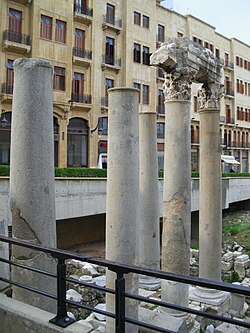
Key Facts
- Local Name: Hadiqat As-Samah.
- Location: Beirut, Lebanon, near Martyrs' Square.
- Zoning: Classified as non aedificandi (not to be built upon).
- Ancient City: Site of the Roman city of Berytus.
- Key Finds: The Cardo and Decumanus Maximus streets and a Phoenico-Persian sacred platform.
Archaeological Significance
The Garden of Forgiveness is more than a landscape; it is an archaeological treasure. Because the area is designated as non aedificandi—a Latin term meaning "not to be built"—within the Beirut City Center Master Plan, the site has been protected from modern construction, allowing its ancient foundations to remain intact.
The Roman Legacy of Berytus
Excavations at the site have uncovered the urban layout of Berytus, the Roman name for Beirut. Specifically, archaeologists identified the two primary arteries of the city: the Cardo (the primary north-south street) and the Decumanus Maximus (the primary east-west street). These monumental roads formed the backbone of the Roman city's infrastructure.
Ancient Foundations
The history of the site extends even further back than the Roman era. Beneath the Roman streets, researchers discovered a sacred platform dating from the Phoenico-Persian period, illustrating the long-term spiritual and civic importance of this specific location in Beirut.
Site Summary
| Feature | Description |
|---|---|
| Arabic Name | Hadiqat As-Samah |
| Historical Context | Located near the wartime Green Line (1975–1990) |
| Roman Infrastructure | Cardo and Decumanus Maximus streets |
| Pre-Roman Era | Phoenico-Persian sacred platform |
| Legal Status | Non aedificandi (protected from building) |
Frequently Asked Questions
What does the name Hadiqat As-Samah mean?
Hadiqat As-Samah is the Arabic name for the Garden of Forgiveness.
Where is the Garden of Forgiveness located?
It is located in Beirut, Lebanon, in close proximity to Martyrs' Square and the site of the former wartime Green Line.
What is the meaning of "non aedificandi" in the context of this site?
Non aedificandi is a Latin term meaning "not to be built." In the Beirut City Center Master Plan, this classification ensures that the land remains open to protect the archaeological ruins beneath.
What ancient Roman structures were found in the garden?
Excavations revealed the two main streets of the Roman city of Berytus: the Cardo and the Decumanus Maximus.
Is there evidence of civilizations older than the Romans at the site?
Yes, beneath the Roman streets, a sacred platform dating from the Phoenico-Persian period was discovered.