Furnariidae: The Taxonomy and Systematics of Ovenbirds and Woodcreepers
The family Furnariidae represents a diverse group of Neotropical birds, encompassing the ovenbirds and their close relatives. Historically, the classification of these birds has been a subject of scientific debate, particularly regarding the relationship between the ovenbirds and the woodcreepers. Recent advancements in molecular genetic studies, specifically the analysis of nuclear and mitochondrial DNA, have provided a clearer understanding of their evolutionary history, leading to a more refined taxonomic arrangement.
One of the most significant shifts in modern systematics was the merger of the woodcreepers (formerly the family Dendrocolaptidae) into the Furnariidae family. While some scientists still advocate for maintaining woodcreepers as a separate family and splitting the traditional ovenbirds into Furnariidae and Scleruridae, the prevailing phylogenetic pattern supports a unified family structure.
Key Facts
- Family Composition: Furnariidae includes three primary subfamilies: Sclerurinae, Dendrocolaptinae, and Furnariinae.
- Species Diversity: The family is highly diverse, with the "true" ovenbirds (Furnariinae) being the largest group with 243 species.
- Evolutionary Divergence: Molecular data indicates that the Sclerurinae (miners and leaftossers) were the first group to diverge from the common ancestor.
- Taxonomic Basis: Current classifications rely heavily on the International Ornithologists' Union (IOC) list and large-scale genetic studies, including a major 2020 study by Michael Harvey and collaborators.
The Subfamilies of Furnariidae
The family is organized into three distinct subfamilies, each containing specialized groups of birds adapted to different ecological niches.
Sclerurinae: Miners and Leaftossers
This subfamily represents the earliest divergence in the family's lineage. It consists of 18 species divided into two main genera: Geositta (miners, 11 species) and Sclerurus (leaftossers, 7 species).
Dendrocolaptinae: Woodcreepers
Containing 60 species, the woodcreepers are divided into two primary tribes based on bill morphology and behavior:
- Sittasomini: Known as "intermediate" woodcreepers, including genera such as Dendrocincla, Deconychura, Sittasomus, and Certhiasomus.
- Dendrocolaptini: Known as "strong-billed" woodcreepers, this group includes a wide array of genera such as Glyphorynchus, Xiphorhynchus, and Campylorhamphus (scythebills).
Furnariinae: Neotropical Ovenbirds and Allies
With 243 species, this is the most populous subfamily. It is further categorized into several tribes, including the Pygarrhichini, Furnariini (horneros and allies), Philydorini (foliage-gleaners), and Synallaxini (spinetails).
The horneros are particularly noted for their unique nesting habits, often constructing mud structures that resemble ovens.
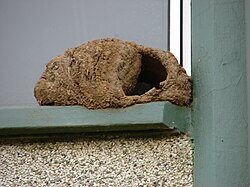
Taxonomic Summary Table
| Subfamily | Common Names | Approx. Species Count | Key Genera |
|---|---|---|---|
| Sclerurinae | Miners, Leaftossers | 18 | Geositta, Sclerurus |
| Dendrocolaptinae | Woodcreepers | 60 | Xiphorhynchus, Lepidocolaptes |
| Furnariinae | Ovenbirds, Spinetails, Foliage-gleaners | 243 | Furnarius, Synallaxis, Philydor |
Recent Systematic Revisions
Taxonomy is a dynamic field, and the Furnariidae family has seen several recent updates based on the 2020 research by Michael Harvey. These revisions aim to resolve paraphyletic groups—groups that do not include all descendants of a common ancestor.
Notable changes include the movement of the tawny tit-spinetail (Leptasthenura yanacencis) to the genus Sylviorthorhynchus and the reassignment of the sulphur-bearded spinetail to the genus Limnoctites, where it is now known as the sulphur-bearded reedhaunter. Additionally, the white-bellied spinetail has been placed in its own monotypic genus, Mazaria.
Frequently Asked Questions
Are woodcreepers and ovenbirds in the same family?
Yes, according to current molecular genetic analysis, woodcreepers (formerly Dendrocolaptidae) have been merged into the family Furnariidae.
Which subfamily of Furnariidae is the most diverse?
The Furnariinae, which includes the "true" ovenbirds, foliage-gleaners, and spinetails, is the most diverse with 243 species.
Which group was the first to diverge evolutionarily?
Molecular genetic studies reveal that the Sclerurinae (miners and leaftossers) were the first group to diverge within the Furnariidae family.
What is the difference between the Sittasomini and Dendrocolaptini tribes?
The Sittasomini are referred to as "intermediate" woodcreepers, while the Dendrocolaptini are known as "strong-billed" woodcreepers.
Why have some species been moved to new genera recently?
Species are moved to new genera to ensure that taxonomic groups are monophyletic, meaning they consist of an ancestor and all its descendants, based on updated DNA sequencing data.