Frameless Cabinetry: Design, Construction, and the 32-mm System
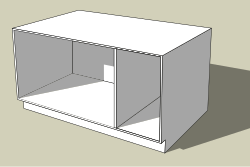
In the world of modern cabinetmaking, the shift toward frameless construction has redefined how storage is designed and utilized. Unlike traditional frame and panel construction, frameless cabinets rely on flat panels of engineered wood to create a sleek, streamlined look. This approach, often referred to as "European cabinetry" in North America, prioritizes efficiency and maximum accessibility.
These cabinets are typically constructed from durable engineered materials, such as particle board, plywood, or medium-density fibreboard (MDF). Because they lack a front face frame, the structural integrity is maintained by using thicker side panels, also known as boxes, which ensure the unit remains stable.
The 32-mm System
A cornerstone of frameless design is the 32-mm system, a standardized construction method that originated in Europe following World War II. This system is defined by a precise 32-millimetre spacing between the system holes drilled into the panels.
These holes serve as a universal grid for the installation of hardware, including hinges for doors, drawer slides, and shelf supports. This standardization allows for high precision and versatility across different brands; for example, Hettich's System 32 is one of the many prominent systems based on this 32mm standard.
Advantages of Full Access Cabinets
Frameless cabinets are frequently called full access cabinets because they eliminate the restrictive front frame found in face-frame cabinetry. This design choice provides several practical benefits:
- Increased Storage: Without a front frame, there is more interior room to accommodate large objects.
- Better Usability: The absence of a frame allows for a wider opening, making it easier to reach items at the back of the cabinet.
- Clean Aesthetics: To finish the exposed front faces of the panels, manufacturers use edgebanding—a process of applying a thin strip of material to the raw edges of the engineered wood.
Comparison Summary
| Feature | Frameless (European) | Face-Frame (Traditional) |
|---|---|---|
| Front Structure | No front frame; edgebanded faces | Wooden front frame |
| Interior Access | Full access; maximum opening | Restricted by frame |
| Standardization | 32-mm system holes | Custom or varied framing |
| Common Materials | Particle board, Plywood, MDF | Solid wood frames and panels |
Key Facts
- Frameless cabinets use engineered wood like MDF, plywood, or particle board.
- The 32-mm system uses 32mm spacing for hardware installation holes.
- European cabinetry is the common North American term for frameless construction.
- Thicker side boxes provide the necessary stability in the absence of a face frame.
- Edgebanding is used to provide a finished look to the front panel edges.
Frequently Asked Questions
What is the 32-mm system?
The 32-mm system is a European construction standard where holes are drilled at 32-millimetre intervals to allow for the precise and interchangeable installation of shelves, drawers, and door hardware.
What materials are used in frameless cabinets?
They are typically made from engineered wood products, specifically particle board, plywood, or medium-density fibreboard (MDF).
Why are frameless cabinets called "full access"?
They are called full access because they eliminate the front face frame, removing the physical barrier and providing a larger opening to the cabinet's interior.
How is the stability of a frameless cabinet maintained?
Stability is achieved by using thicker side panels (boxes) to support the structure, compensating for the lack of a traditional front frame.
What is edgebanding?
Edgebanding is the process of applying a finishing material to the raw, exposed edges of the engineered wood panels on the front faces of the cabinet.