Formosa Province: A Comprehensive Look at Argentina's Northeastern Frontier
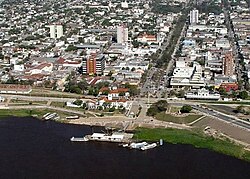
Located in the northeastern reaches of Argentina, Formosa is a province defined by its vast plains, rich biodiversity, and strategic position within the Gran Chaco Region. Bordering Paraguay to the northeast and the Argentine provinces of Chaco and Salta to the south and west, Formosa serves as a vital link in the regional geography of South America.
The province takes its name from the archaic Spanish word fermosa (modern hermosa), meaning "beautiful." This name was coined by 16th-century Spanish sailors who described the scenic bend of the Paraguay River, known as Vuelta Fermosa, while searching for the legendary Sierra del Plata.
Key Facts
- Capital: Formosa
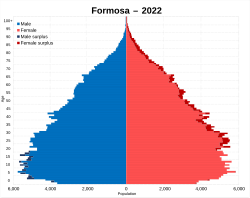
- Population: 606,941 (2022 Census)
- Total Area: 72,066 km²
- HDI: 0.822 (Very High)
- GDP per capita: US$ 9,300
- Primary Industries: Cattle ranching, cotton, and fruit cultivation
History and Development
The region has been home to indigenous peoples for millennia, including the Pilagás, Wichis, and Tobas, whose languages are still spoken today. Early European exploration began in the 16th century with Sebastian Cabot and Diego García de Moguer, though the shallow nature of the Pilcomayo and Bermejo Rivers hindered early attempts to establish a route to Asunción.
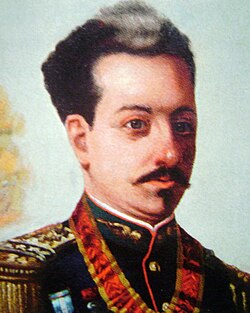
The first European settlement, Concepción del Bermejo, was founded in 1585. After Argentina and Paraguay gained independence in the 1810s, the territory was disputed until the conclusion of the War of the Triple Alliance (1865–70). In 1879, Commander Luis Jorge Fontana founded the settlement of Formosa, which helped the region secure territorial status by 1884.
The province saw significant growth in the mid-20th century. In 1955, President Juan Perón granted Formosa full provincial status. During this era, Perón also initiated land reform programs following the 1947 Rincón Bomba massacre of nomadic Amerindians. Educational infrastructure expanded further in 1988 with the establishment of the National University of Formosa.
Geography and Climate
Formosa's landscape consists primarily of plains situated between the Bermejo and Pilcomayo Rivers. The terrain is remarkably flat with a slight southeast inclination, which leads to unstable riverbeds and the frequent formation of temporary lagoons.
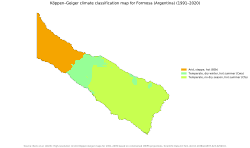
The climate is tropical, with an average annual temperature of 21°C, though summer peaks can reach 45°C. Rainfall patterns vary by region: the east receives uniform annual precipitation (1,000 mm), while the west experiences a drier winter season (80 mm). This variation creates two distinct ecological zones: dense jungle vegetation and the Chaqueño forest. The border with Salta Province is famously known as the "Impenetrable" due to its dense growth.
Biodiversity and Wildlife
Formosa is a sanctuary for diverse fauna, supported by ecosystems of wetlands, forests, and grasslands. While human activity has caused declines in some species, the province remains a critical habitat for many animals.
Mammals
The province hosts a variety of felids, including the jaguar (yaguareté), puma, ocelot, and pampas cat. Other notable mammals include the maned wolf (aguara-guazu), the giant armadillo (tatú carreta), and the black howler monkey (carayá). In total, 27 species of wild mammals have been identified, ranging from the Giant Anteater to the Chacoan Mara.
Avian Life
Birdwatching is a primary draw for nature enthusiasts, as Formosa is home to approximately 367 species—nearly half of all bird species recorded in Argentina. Notable birds include the Rhea (ñandú), Toco Toucan, and various macaws and flamingos.
Reptiles
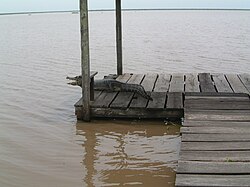
The region is home to several reptile species, including the Yacaré caiman and the yellow anaconda. Visitors and residents should be aware of highly venomous snakes such as the yarará (cross snake) and the coral snake.
Economy and Infrastructure
Historically one of Argentina's poorer provinces due to its remote location and harsh climate, Formosa has seen steady recovery since 2002. The economy is primarily agrarian, with cattle ranching serving as the mainstay, boasting over 1.5 million head of cattle.
Agriculture accounts for about 10% of the province's output. Cotton is the most significant crop, though production fluctuated heavily due to international price drops in the 1990s. Other key agricultural products include:
- Soybeans and Maize: Growing production since the 2001 crisis.
- Bananas: Averaging 70,000 tons annually for domestic use.
- Citrus: Rapidly growing export market, particularly grapefruit.
- Other: Honey, timber, and textiles.
Provincial Overview
| Category | Detail |
|---|---|
| Government | Governor Gildo Insfrán (PJ) |
| Population Density | 8.42 inhabitants/km² |
| Main Protected Areas | Río Pilcomayo National Park, Formosa National Reserve |
| Key Cities | Formosa, Clorinda, Comandante Fontana |
Administrative Divisions
The province is organized into nine departments, each with its own principal city and administrative focus. The city of Formosa remains the most populous center, followed by Clorinda in the Pilcomayo department.
Frequently Asked Questions
What is the origin of the name Formosa?
The name comes from the archaic Spanish word fermosa, meaning "beautiful," used by 16th-century sailors to describe the bend in the Paraguay River.
What are the primary economic activities in Formosa?
The economy is based on cattle ranching and agriculture, specifically the cultivation of cotton, soybeans, maize, bananas, and citrus fruits.
Which animals are native to the Formosa region?
Formosa is home to jaguars, pumas, maned wolves, howler monkeys, Yacaré caimans, and a vast array of bird species including the Toco Toucan.
What is the "Impenetrable"?
The Impenetrable is the name given to the dense forest region located along the border between Formosa and Salta provinces.
When did Formosa become a province?
Formosa officially acquired the status of a province in 1955 by a decree issued by President Juan Perón.