Floristry: The Art, Commerce, and Culture of Floral Design
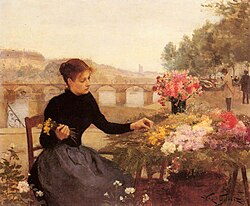
Floristry is a multifaceted industry that encompasses the production, commerce, and trade of flowers. It is a profession that blends the science of flower care and handling with the creative mastery of floral design. From the wholesale distribution of bulk supplies to the delicate retail service of crafting bespoke bouquets, floristry touches nearly every aspect of how we celebrate, mourn, and decorate our lives.
While often used interchangeably with floral design, floristry is a broader term. It includes merchandising, display, and delivery services. It is distinct from floristics, which is the scientific study of plant species distribution, and horticulture, which focuses on the cultivation of plants to ensure they remain fresh and desirable for consumers.
Key Facts
- Wholesale vs. Retail: Wholesale florists supply professionals, while retail florists serve individual consumers.
- Global Hubs: The Bloemenveiling Aalsmeer in the Netherlands is one of the world's largest flower markets.
- Cultural Symbolism: Flower colors and types carry vastly different meanings across different cultures.
- Major Markets: Miami serves as a primary distribution point for imported flowers in North America.
- Industry Trends: Online ordering and wire services have significantly changed how consumers access floral products.
Diverse Styles of Floral Arrangement
Floral design, or the floral arts, is the practice of creating compositions using cut flowers, foliage, herbs, and ornamental grasses. Different cultures have developed unique aesthetic traditions based on available flora and local customs.
Ikebana
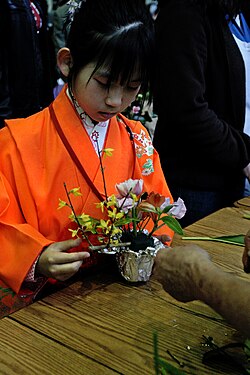
Originating in Japan, Ikebana is a highly disciplined style of floral design known for its simplicity of line and form. Rather than focusing on massed blooms, it emphasizes structure and is often practiced for personal enjoyment. A traditional Ikebana arrangement typically follows a three-part alignment representing heaven, man, and earth.
English Garden Style
The English Garden style is a traditional Western form characterized by an abundant use of seasonal flowers and foliage. These arrangements are often designed as low, tufted mounds or tall, 360-degree vase arrangements. Common flowers used include roses, gardenia, camellia, delphinium, and peonies, typically arranged with minimal space between the blooms.
Modern and European Styles
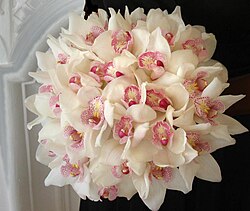
In contrast to the radial patterns of the English Garden style, Modern/European Style focuses on contemporary, linear designs. These arrangements utilize negative space—the empty areas around the subjects—to highlight unique forms. This style is often experimental, playing with dramatic color contrasts and textures, and frequently incorporates exotic species like Bird of Paradise, Orchids, and Protea.
Contemporary Dutch Style
The Dutch style also embraces linear, contemporary designs but is noted for its naturalistic use of various greens. A prominent example is the "Dutch Garden" style, which emerged in the early 1980s and often incorporates organic elements like stones, bark, and mosses.
The Business and Social Impact of Flowers
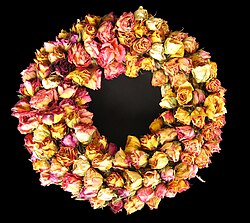
The floristry market is deeply integrated into corporate and social events. Flowers serve as essential decor for centerpieces, reception tables, bridal bouquets, and stage sets. They also hold a significant place in ecclesiastical (church) settings, where arrangements are often prepared by skilled volunteers.
Flowers play a vital role in personal relationships, acting as a medium for expressing love, celebrating milestones, or offering condolences. During the COVID-19 pandemic (2020-2021), the industry saw a surge in importance as people used flowers to communicate with loved ones from a distance. In the United States, over 80% of florists reported increased holiday sales in 2020 compared to 2019.
Global Supply Chains and Retail Outlets
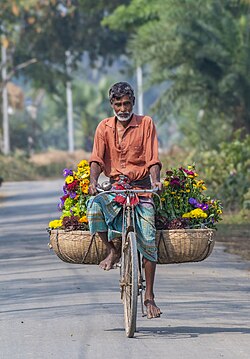
The journey of a flower from grower to consumer involves complex logistics. Retail florists are supplied by local growers, wholesalers, and international auctions. Major international hubs include the Dubai Flower Centre and the Ota Flower Market in Tokyo. In North America, Miami acts as a central distribution point for imports, feeding into regional hubs like New York, Los Angeles, and San Francisco.
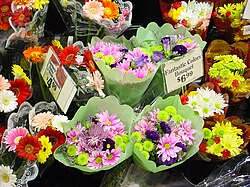
While specialized florist shops remain the primary outlet, flowers are also widely available through other channels:
- Supermarkets and Petrol Stations: These offer limited, convenient selections like mixed bouquets or roses by the dozen.
- Online Stores and Wire Services: Digital platforms allow consumers to order through intermediaries, who then transmit orders to local florists.
| Style | Key Characteristics | Common Elements |
|---|---|---|
| Ikebana | Simplicity, line, and form | Heaven, man, and earth alignment |
| English Garden | Radial, abundant, seasonal | Roses, peonies, minimal space |
| Modern/European | Linear, asymmetric, negative space | Exotic flowers, experimental textures |
| Contemporary Dutch | Naturalistic, linear | Greens, moss, bark, and stones |
Technical Considerations: Floral Foam
To maintain the structure of an arrangement, florists often use floral foam. This is a phenol-formaldehyde plastic that can be treated with detergents to absorb water, helping flowers stay hydrated. However, it is important to note that floral foam is non-biodegradable, non-recyclable, and toxic to both humans and animals.
Frequently Asked Questions
What is the difference between floristry and horticulture?
Horticulture is the broad science of cultivating plants to ensure they are healthy and desirable, while floristry focuses on the commercial trade, care, and artistic arrangement of those plants for sale.
Why do different cultures use different flowers?
Flower choice is often driven by availability, ethnic identity, and cultural symbolism. For example, white flowers represent purity in European cultures but are often associated with death in many Asian cultures.
How do florists keep flowers fresh?
Florists use refrigeration, specialized water treatments, and containers like glass or plastic vases. They also utilize floral foam to provide a steady water source for stems in complex arrangements.
Where are the largest flower markets located?
The largest is the Bloemenveiling Aalsmeer in the Netherlands. Other significant markets include the Ota Flower Market in Tokyo and the Dubai Flower Centre.
Is floristry a professional career?
Yes. Many people pursue floristry through formal education at community colleges, vocational schools, or specialized institutions like the Boerma Instituut in the Netherlands.