Flower Gardens: Design, History, and Cultivation Techniques
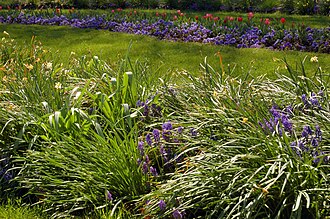
A flower garden, or floral garden, is a dedicated space where flowering plants are grown and displayed. While these gardens can include flowering woody plants—which are more common in woodland gardens or shrubberies—they primarily focus on herbaceous plants (non-woody plants that die back to the ground at the end of the growing season). From meticulously planned corporate landscapes to wild, naturalistic meadows, flower gardens serve as both aesthetic centerpieces and vital ecological hubs.
Designing a successful flower garden requires a balance of timing and artistry. Because different species bloom at different times and some are annuals (plants that complete their life cycle in one year), gardeners must plan a sequence of blooms to ensure consistent color throughout the seasons. This involves organizing plants into bedding-out schemes, managing labor time, and selecting complementary color patterns.
Key Facts
- Pollinator Attraction: Floral richness and larger display sizes increase the frequency of visits from pollinators like honeybees, bumblebees, and hover flies.
- Plant Selection: Native flowers generally attract more pollinators than non-native species.
- Fertilization: Fertilizers can increase plant height and cause species to flower earlier.
- Cutting Gardens: These are functional spaces designed for indoor bouquets rather than outdoor display.
- Historical Origin: Many decorative flowers evolved from weeds through a process of artificial selection by early humans.
The History and Evolution of Floral Gardening
The journey of the decorative flower began with the wild. Many plants now prized for their beauty originated as weeds. Farmers often tolerated these plants if they were visually appealing, leading to an artificial selection process that produced increasingly attractive blooms. This process likely occurred throughout the history of agriculture, as early humans favored naturally occurring food-gathering spots.
This evolutionary history explains why many flowers act as companion plants to agricultural crops; they developed symbiotic relationships in the wild before either was domesticated. While flowers have always been appreciated, the practice of dedicating specific garden areas solely to flowers did not become common in the West until the 16th century.
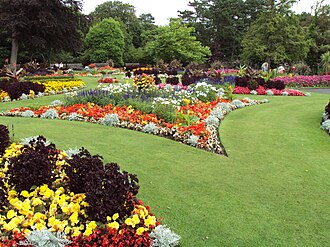
In modern times, flower gardens are integral to architecture and landscape design. Some large businesses maintain high-impact displays by completely replacing their gardens each season to ensure perfectly consistent color patterns.
Optimizing Plant Health and Pollination
To maintain vibrant blooms, most herbaceous plants benefit from flowerbeds with soil that is regularly dug over and enriched with organic matter and fertilizer. However, the use of chemicals must be balanced. While fertilizers promote growth and earlier flowering, herbicides can negatively impact plant height and decrease the number of visiting pollinators.
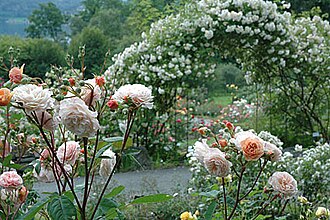
For specific species like roses, specialized treatments such as potassium silicate, seaweed extract, and Vitavax 200 are effective in preventing wilting and rotting.
Attracting Pollinators
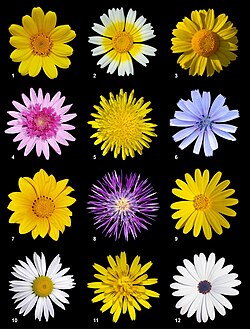
Pollinator activity is driven by the diversity and scale of the garden. Research indicates that growing plants from the Asteraceae, Lamiaceae, and Fabaceae families together increases bee attractiveness more than growing them in isolation. Specifically, the thistle (Cirsium vulgare) is highly effective at attracting these beneficial insects.
Specialized Garden Types
The Cutting Garden
Unlike a display garden, a cutting garden is a functional space used to grow flowers for indoor arrangements. These gardens are typically located in fertile, sunny areas away from public view and are not arranged artistically. To protect plants from severe weather and control blooming times, these are often housed in greenhouses.
Cutting gardens are organized by the role the flower plays in a bouquet:
- Focal Points: Large, striking flowers such as hydrangeas, tulips, and dahlias.
- Fillers: Smaller blooms like orlaya, nigella, and Sweet William.
- Foliage: Greenery such as Bells of Ireland, honeywort, and eucalyptus.
Modern Alternatives
For those seeking lower maintenance, wildflower seed mixes offer a simpler approach. These assortments combine annuals, biennials (plants that take two years to bloom), and self-seeding species to ensure a permanent bed with staggered blooming seasons. Another contemporary trend is the "flower garden in a box," which provides pre-packaged seeds and a specific layout to guarantee a predetermined color pattern.
Summary of Garden Components
| Element | Purpose/Effect | Examples/Types |
|---|---|---|
| Fertilizers | Increase height and accelerate flowering | Seaweed extract, Potassium silicate |
| Pollinators | Essential for plant reproduction | Honeybees, Hover flies, Bumblebees |
| Cutting Garden | Indoor floral use | Dahlias (focal), Eucalyptus (foliage) |
| Wildflower Mix | Low-maintenance, seasonal bloom | Annuals, Biennials, Perennials |
Frequently Asked Questions
How do fertilizers affect flowering plants?
When used alone, fertilizers typically increase the height of the plant and cause it to flower earlier than untreated plants.
What is the difference between a flower garden and a cutting garden?
A flower garden is designed for outdoor aesthetic display and artistic arrangement, whereas a cutting garden is a functional space used to grow flowers specifically for indoor bouquets.
Which plant families are best for attracting bees?
Bees are more attracted to gardens where plants from the Asteraceae, Lamiaceae, and Fabaceae families are grown together rather than separately.
How can I reduce the labor required for a flower garden?
Labor can be decreased by using techniques such as mulching. In flower meadows, planting parasitic plants like Rhinanthus can help moderate grass growth.
What are the best plants for bouquet foliage?
Effective foliage options for bouquets include eucalyptus, honeywort, and Bells of Ireland.