Flemish Painting: A Legacy of Mastery from the Primitives to the Baroque
The history of Flemish painting is a sweeping narrative of artistic innovation that spanned from the early 15th century through the 17th century. While the term historically refers to the County of Flanders and neighboring regions like the Tournaisis and the Duchy of Brabant, its influence reached far beyond these borders. For centuries, this region served as a powerhouse of Northern European art, attracting talented painters from across the continent and sending masters to serve in prestigious foreign courts.
As the centuries progressed, the artistic landscape of the Low Countries evolved, eventually leading to a political and stylistic separation between the north and the south. This distinction helped shape the unique identities of both Dutch and Flemish art traditions.
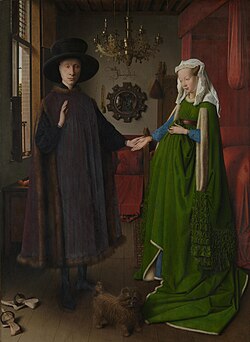
Key Facts
- Early Period: Up to 1520, the region's art is often categorized as Early Netherlandish painting.
- Innovation: The "Flemish Primitives" were pioneers in the popularization of oil paint.
- Major Center: Antwerp became a central hub for Dutch and Flemish Renaissance painting.
- Baroque Era: The 17th century was dominated by the influential works of Peter Paul Rubens.
- Political Shift: The Siege of Antwerp (1584–1585) contributed to the separation of the Southern Netherlands from the Dutch Republic.
The Evolution of Flemish Art Styles
Late Gothic and the Flemish Primitives
The foundations of this tradition lie in the miniature painting of the Late Gothic period. This era saw the rise of the Flemish Primitives, a group of artists celebrated for their early mastery and popularization of oil paint. Supported significantly by the patronage of the Duchy of Burgundy, these masters transformed the visual language of Northern Europe.
Prominent figures of this period include:
- Jan van Eyck
- Hans Memling
- Hugo van der Goes
- Robert Campin
- Rogier van der Weyden
The Renaissance Influence
By the early 16th century, the Italian Renaissance began to exert influence on Flemish artists. However, the response was not a mere imitation of Italian styles. While some artists moved toward Northern Mannerism, others maintained a distinct regional character. Pieter Brueghel the Elder stands out as a leading figure who successfully avoided direct Italian influence, preserving a unique Flemish perspective.
The Golden Age of Flemish Baroque
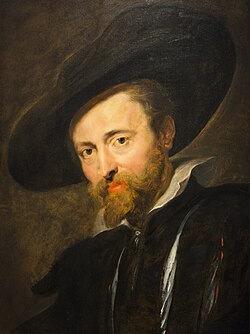
Following the Siege of Antwerp in the late 16th century, the Southern Netherlands remained under Spanish rule, creating a political divide from the independent Dutch Republic. Despite the religious wars that caused many artists to flee to the north, the Antwerp school saw a magnificent flourishing of the Baroque style during the 17th century.
This era was defined by grand, emotive works, led by masters such as:
- Peter Paul Rubens
- Anthony van Dyck
- Jacob Jordaens
Decline and the Belgian Revival
The cultural dominance of the region saw a decline following the death of major figures like Rubens in 1640 and the conclusion of the Eighty Years War in 1648. However, the tradition did not vanish. The advent of the Belgian Revolution in 1830 sparked a significant revival in painting.
Artists working in the wake of this patriotic period are frequently categorized as Belgian painters rather than Flemish, reflecting the new political reality of the kingdom that includes Flanders.
Summary of Artistic Eras
| Period | Key Characteristics | Notable Artists/Groups |
|---|---|---|
| Late Gothic | Early use of oil paint; origins in miniatures | Flemish Primitives (e.g., Jan van Eyck) |
| Renaissance | Interaction with Italian styles; distinct Northern approach | Pieter Brueghel the Elder |
| Baroque | Flourishing of the Antwerp school; high drama | Peter Paul Rubens, Anthony van Dyck |
| Post-1830 | Nationalistic revival following the Belgian Revolution | Belgian painters |
Frequently Asked Questions
What is the difference between Early Netherlandish and Flemish painting?
Up to approximately 1520, the art of the entire region is typically referred to as Early Netherlandish painting. This period was dominated by the Flemish south but included important contributions from northern painters as well.
Who were the Flemish Primitives?
The Flemish Primitives were a group of Late Gothic painters, such as Jan van Eyck and Rogier van der Weyden, who were among the first to popularize the use of oil paint.
How did the political situation affect Flemish artists?
The Siege of Antwerp and the subsequent religious wars caused a split. While the Southern Netherlands remained under Spanish rule, many artists migrated to the Dutch Republic, contributing to the Dutch Golden Age.
Why are later painters often called Belgian instead of Flemish?
Following the Belgian Revolution of 1830, the patriotic era of painting coincided with the formation of the Belgian kingdom, leading to the term "Belgian" being used for artists of that period.
Did the Renaissance change Flemish art significantly?
Yes, the Italian Renaissance began to influence Flemish painters in the early 16th century, though the result was a unique style that differed from the typical Italian approach.