Flax: The Versatile Crop for Fiber and Nutrition
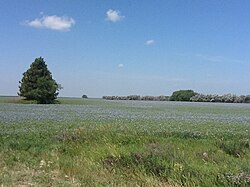
Flax, scientifically known as Linum usitatissimum, is one of the most versatile plants in agricultural history. From the ancient looms of the Fertile Crescent to modern health-food aisles, this member of the Linaceae family has served humanity as both a source of durable textile fibers and a nutrient-dense oilseed.
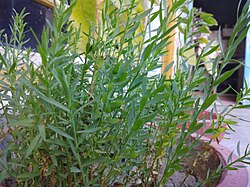
Cultivated flax plants are characterized by their slender stems, reaching heights of up to 1.2 meters (4 ft). Their glaucous green leaves are slender and lanceolate, typically measuring 2–4 cm in length and 3 mm in width.
Key Facts
- Ancient Origins: Wild flax fibers were used as textiles as far back as 30,000 years ago in the Republic of Georgia.
- Global Production: France is the world leader in flax production, accounting for 75% of the 2022 total.
- Nutritional Powerhouse: Flax seeds are exceptionally rich in omega-3 fatty acids, thiamine, magnesium, and phosphorus.
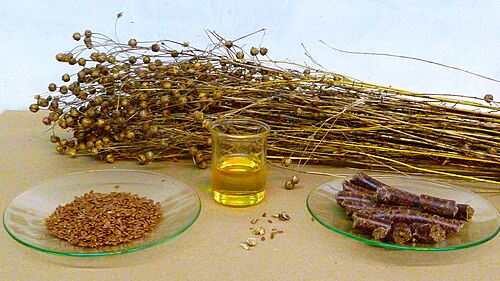
- Dual Purpose: The plant is cultivated for both its bast fibers (used to make linen) and its seeds (used for oil and food).
Botanical Profile and Taxonomy

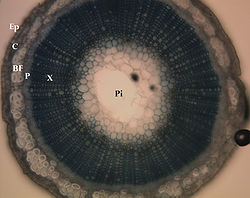
Flax belongs to the order Malpighiales and the genus Linum. Its biological structure is specialized for both strength and oil production. The stem contains specific tissues including the epidermis, cortex, phloem, xylem, and pith, with bast fibers providing the structural integrity required for textile production.
The plant produces light-colored flowers and seed capsules. While several varieties exist, L. usitatissimum var. usitatissimum is the primary cultivated form.

History and Cultivation
The human relationship with flax began in the Upper Paleolithic. Evidence from the Dzudzuana Cave in Georgia shows spun and dyed wild flax fibers dating back 30,000 years. Domestication occurred in the Fertile Crescent, with evidence of larger oilseeds in Syria and fabric fragments in Turkey from approximately 9,000 years ago.
By 5,000 years ago, flax cultivation had spread to China, India, Germany, and Switzerland. Today, production remains concentrated in Europe. In 2022, global production of raw or retted flax reached 875,995 tonnes.
| Country | Production (Tonnes) |
|---|---|
| France | 652,680 |
| Belgium | 77,910 |
| Belarus | 47,626 |
| China | 29,035 |
| Russia | 24,103 |
| World Total | 875,995 |
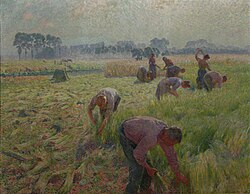
Processing Flax for Fiber
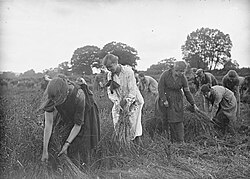
Transforming the raw plant into linen involves several labor-intensive steps. The process begins with retting, a biological process that breaks down the cellular tissues to release the fibers. This is followed by dressing the flax, which includes:
- Breaking: Crushing the woody stem to loosen fibers.
- Scutching: Removing the woody fragments.
- Heckling: Combing the fibers through a tool called a hackle to align them and remove short fibers.


Nutritional Value and Health Benefits
Flax seeds are highly valued for their dense nutritional profile. They consist of approximately 42% fat, 29% carbohydrates, 18% protein, and 7% water.
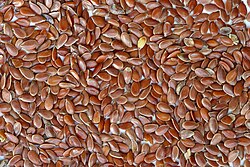
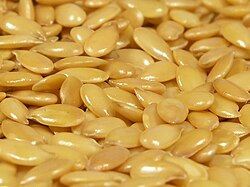
The fat content is particularly notable for its high concentration of omega-3 fatty acids (54%), primarily alpha-linolenic acid (ALA). Other fats include omega-9 (18%) and omega-6 (6%).
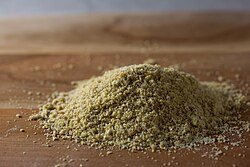
Research suggests several health benefits associated with flax seed consumption:
- Weight Management: Daily intake of over 30g for 12+ weeks has been linked to reductions in body weight, BMI, and waist circumference in individuals with a BMI over 27.
- Cardiovascular Health: Studies indicate small reductions in both systolic and diastolic blood pressure, as well as reductions in total and LDL-cholesterol.
- Inflammation: A small reduction in c-reactive protein (an inflammation marker) has been observed in individuals with a BMI greater than 30.

Industrial and Agricultural Uses
Beyond human consumption and clothing, flax serves several other purposes. Linseed oil is widely used in industrial applications, while the byproduct of oil extraction, linseed meal, is a protein-rich fodder for ruminants, rabbits, fish, swine, and poultry.
However, linseed meal has drawbacks. Its high omega-3 content makes it prone to oxidation and rancidity, shortening storage time. It also contains a vitamin B6 antagonist, which may necessitate supplementation in poultry.
Frequently Asked Questions
What is the difference between flax and linen?
Flax is the name of the plant (Linum usitatissimum), while linen is the textile fabric made from the processed bast fibers of that plant.
Which country produces the most flax?
France is the leading producer, contributing approximately 75% of the world's raw or retted flax production as of 2022.
What are the primary health benefits of flax seeds?
Flax seeds are rich in omega-3 fatty acids and fiber. Research indicates they may help reduce blood pressure, lower LDL-cholesterol, and assist in weight management for those with higher BMIs.
What is 'retting' in flax production?
Retting is the process of using moisture and microorganisms to decompose the pectin and other tissues in the flax stem, allowing the useful fibers to be separated from the woody core.
Are there any risks associated with flax as animal feed?
Yes, the high omega-3 content can cause meat and eggs to spoil faster due to oxidation. Additionally, it contains a vitamin B6 antagonist and mucilage that non-ruminants and young animals may struggle to digest.