Feral Animals and Plants: Ecology, Impact, and Management
The term feral, derived from the Latin fera meaning "a wild beast," describes animals or plants that live in the wild but are descended from domesticated ancestors. Unlike species that have always been wild, feral populations are the result of domestic individuals escaping captivity or being intentionally released into the environment.
When these species enter non-native regions, they often behave as introduced species, which can lead to significant disruptions in local ecosystems and, in severe cases, contribute to the extinction of indigenous wildlife. Consequently, the management and removal of feral species are primary goals in island restoration projects worldwide.
Key Facts
- Definition: Feral organisms are descendants of domesticated species living in a wild state.
- Distinction: Animals that were always wild but escaped captivity (e.g., zoo lions) are not considered feral.
- Ecological Risk: Feral species can become invasive, competing with native wildlife and causing genetic pollution.
- Economic Duality: While they can cause agricultural damage, some feral populations serve as vital food sources or tourist attractions.
- Plant Ferality: Domesticated plants that go wild are often called escaped, naturalized, or feral crops.
Feral Animals: Common Species and Behaviors
Many domesticated animals readily revert to a wild state. The ability to adapt depends on the species' biology and the environment they enter.
Cats and Dogs
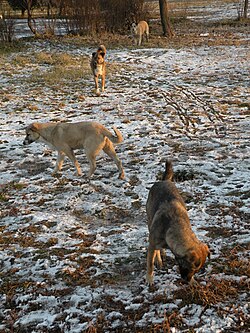
Cats return to a feral state quickly if not socialized during youth. In urban areas, they often form feral cat colonies. Because they multiply rapidly, they are often viewed as pests that devastate bird, reptile, and mammal populations. Management strategies range from euthanasia in overwhelmed shelters to the "trap-neuter-return" (TNR) method.
Ungulates: Horses, Cattle, and Goats
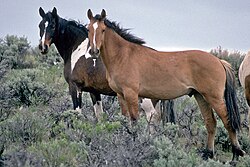
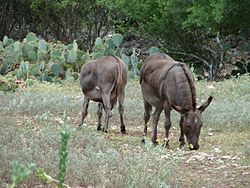
Horses and donkeys, domesticated around 5000 BCE, are found in grasslands globally. In the American West, they are known as mustangs, and in Australia, as Brumbies. It is a common misnomer to call them "wild horses," as truly wild horses, such as Przewalski's horse, were never domesticated.
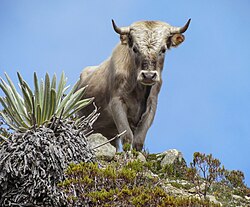
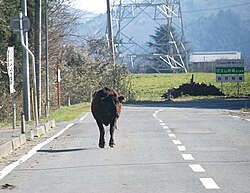
Cattle, descended from the aggressive aurochs, can survive for years without supervision. In Australia, New Zealand, and the Pacific Islands, they are common; in the US and Mexico, semi-feral populations are known as mavericks, scrubbers, or cleanskins.
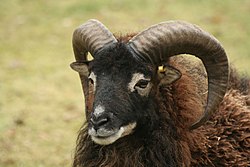
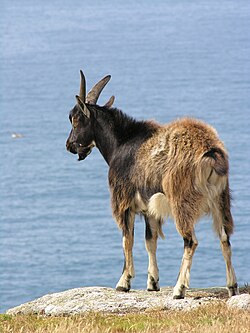
Goats and sheep also revert to the wild easily. While sheep are more vulnerable to predators, they thrive in predator-free environments, such as the Soay sheep in Scotland. Historically, mariners often left goats and sheep on islands to provide a ready food source for future travelers.
Pigs and Camels
Feral pigs are established worldwide. In Australia, they cover 40% of the continent with an estimated population of 30 million. Dromedary camels, domesticated for over 3,000 years, have also established substantial populations in the Australian interior.
Birds and Insects
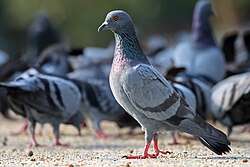
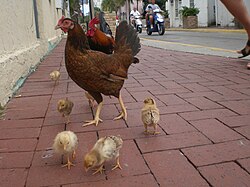
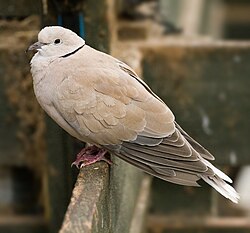
Rock doves (pigeons) and various parrots, such as the rose-ringed parakeet, have successfully adapted to urban and suburban environments. Domestic chickens can also return to the wild as "wild cocks," adopting social structures and roosting behaviors similar to their ancestor, the red junglefowl.
Feral Plants and "Volunteer" Crops
Domesticated plants that revert to the wild are referred to as escaped or naturalized. Individual plants that grow spontaneously are known as volunteers. When these plants proliferate, they may become noxious weeds.
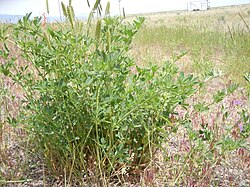
A significant concern with feral crops is adventitious presence (AP). This occurs when genetically modified (GM) traits, such as pesticide resistance, are transferred to wild relatives or weeds through cross-breeding, potentially creating "superweeds" that are difficult to control.
The Impact of Feralization
Ecological and Genetic Consequences
Feral populations can devastate ecosystems through predation and competition. However, they occasionally fill ecological niches left by extinct native species; for example, feral zebu were introduced to the Kuno Wildlife Sanctuary to replace the aurochs.
A more subtle threat is genetic pollution, where feral animals breed with wild relatives. This creates fertile hybrids that can swamp the original gene pool. Examples include mallard ducks, wild boars, and dingoes, where interbreeding with domestic dogs threatens the existence of pure wild dingoes.
Economic and Scientific Value
Economically, feral animals can be a liability, damaging fences and competing with livestock for grazing land. Conversely, they can be a resource. In Polynesia and Melanesia, feral pigs are a primary protein source, and Australia exports meat from feral goats and camels.
Scientifically, these populations are invaluable for ethology (the study of animal behavior). Observing species in a feral state allows researchers to understand population dynamics and behaviors that are suppressed in domestic settings.
Cultural Significance
Some feral animals acquire romanticized status. American mustangs are protected by law due to their connection to the history of the American West. Similarly, the Danube Delta horse in Romania has become a point of cultural contention and a potential tourist attraction.
| Species | Common Regional Names | Primary Impact/Value | Key Characteristic |
|---|---|---|---|
| Horse | Mustangs (USA), Brumbies (AUS) | Cultural icon / Grazing competition | Descended from European stock |
| Cat | Feral colonies | Predation on birds and reptiles | Rapid proliferation |
| Pig | Feral swine | Protein source / Ecosystem damage | Global distribution |
| Goat | Feral goats | Vegetation degradation / Meat export | High adaptability |
| Plant | Volunteers / Noxious weeds | Genetic pollution (AP) | Risk of GM trait transfer |
Frequently Asked Questions
What is the difference between a feral animal and a wild animal?
A feral animal is descended from a domesticated species but lives in the wild. A wild animal, such as Przewalski's horse, has never been domesticated.
Can feral plants be dangerous to the environment?
Yes. They can become noxious weeds that outcompete native flora. Additionally, genetically modified feral plants can transfer resistant traits to wild relatives through cross-breeding, known as adventitious presence.
Why are feral cats considered a problem in urban areas?
Feral cats often form colonies that multiply quickly and prey heavily on local bird, reptile, and small mammal populations, disrupting the local biodiversity.
Do feral animals provide any benefits?
Yes. They can be a source of food (such as feral pigs in Melanesia), provide scientific data on animal behavior, and hold cultural or historical value, as seen with American mustangs.
What is genetic pollution?
Genetic pollution occurs when feral animals breed with their wild ancestors or relatives, creating hybrids that can dilute or replace the original wild gene pool, potentially leading to the extinction of the pure wild species.