Falklands War: The 1982 Conflict Between the United Kingdom and Argentina
The Falklands War was a brief but intense military conflict fought between April 2 and June 14, 1982. Centered on a long-standing sovereignty dispute over the Falkland Islands, South Georgia, and the South Sandwich Islands, the war pitted the military junta of Argentina against the government of the United Kingdom. The conflict lasted two months, one week, and five days, ultimately ending in a British victory.
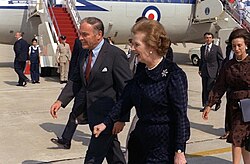
The war was characterized by high-stakes naval engagements, daring air raids, and grueling land battles in the rugged terrain of the South Atlantic. It became a defining moment for the leaders of both nations, specifically British Prime Minister Margaret Thatcher and Argentine President Leopoldo Galtieri.
Key Facts
- Duration: April 2 to June 14, 1982.
- Outcome: British victory and restoration of British administration.
- Primary Belligerents: Argentina and the United Kingdom.
- Key Locations: Falkland Islands, South Georgia, and the South Sandwich Islands.
- Argentine Casualties: 649 killed, 1,657 wounded, and 11,313 captured.
- British Casualties: 255 killed, 775 wounded, and 107 captured.
The Path to Conflict
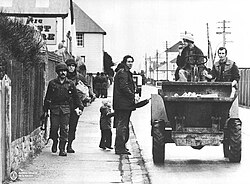
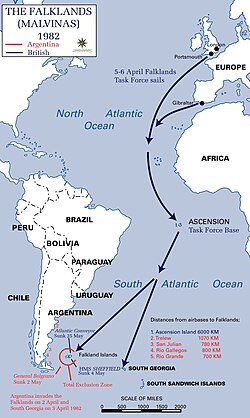
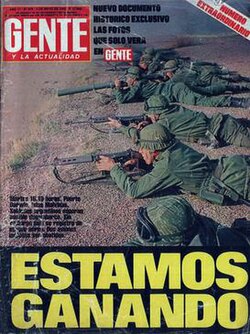
The conflict began when the Argentine military junta, led by Leopoldo Galtieri, launched an invasion of the islands on April 2, 1982. This move followed a period of failed diplomacy regarding the sovereignty of the territory. The British response was swift; Prime Minister Margaret Thatcher dispatched a naval task force to recapture the islands.
Diplomatic efforts, including shuttle diplomacy and United Nations Security Council Resolution 502, attempted to resolve the crisis without further bloodshed. However, as the Argentine occupation solidified, the UK moved forward with a military operation to reclaim the territory.
Military Operations and Strategy
The British Task Force
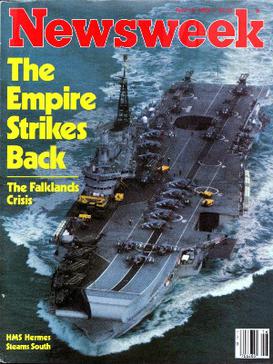
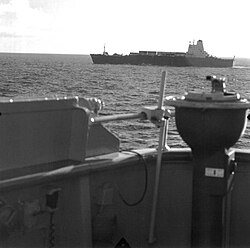
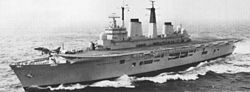
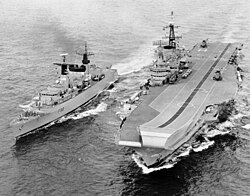
The United Kingdom assembled a massive naval task force to project power across the vast distances of the Atlantic. This force relied heavily on aircraft carriers, which served as the primary hubs for air defense and strike operations.
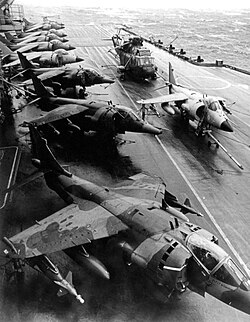
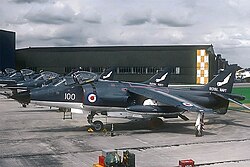
The Sea Harrier FRS1, a versatile jump-jet fighter, played a critical role in maintaining air superiority over the islands, defending the fleet from Argentine air attacks.
Air and Naval Warfare
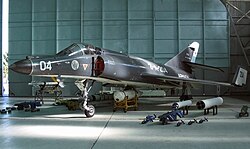
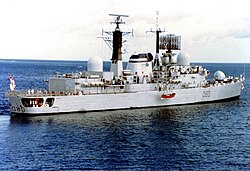
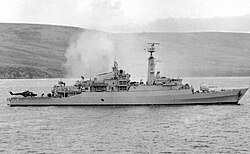
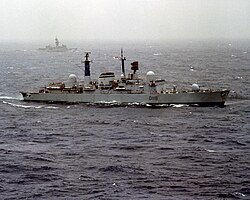
The war saw the use of advanced weaponry for the era. Argentina utilized French-built Super Étendard aircraft armed with Exocet missiles, which caused significant damage to the British fleet. One of the most notable losses was the sinking of HMS Sheffield.
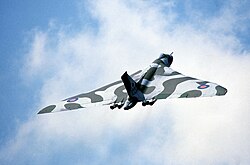
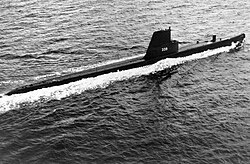
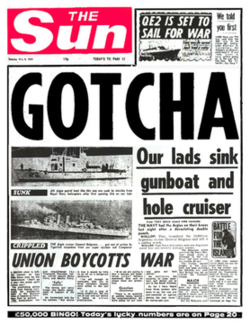
The British responded with the "Black Buck" raids, utilizing RAF Avro Vulcan strategic bombers to strike Argentine airfields. The naval war reached a turning point with the sinking of the Argentine cruiser ARA General Belgrano, which significantly limited Argentine naval movements.
The Land Campaign
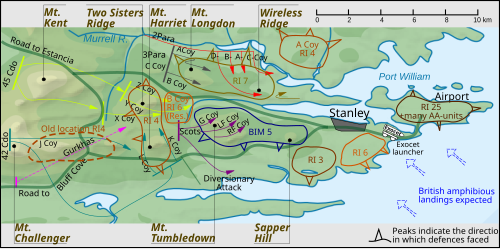
After establishing a foothold at San Carlos—an area that became known as "Bomb Alley" due to the intensity of Argentine air attacks—British forces began a land offensive toward the capital, Port Stanley.
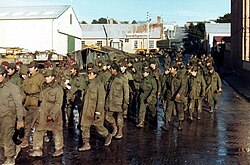
Key battles took place at Goose Green and Mount Kent, where special forces operated to secure high ground. The campaign culminated in the fall of Stanley on June 14, 1982, leading to the surrender of Argentine forces.
International Involvement
While primarily a bilateral conflict, several nations provided support. The United States provided critical intelligence and logistical aid to the UK. France, despite having sold aircraft to Argentina, also assisted the British. Other nations, including Chile, Peru, and Brazil, had varying levels of involvement or diplomatic leanings during the crisis.
Summary of Losses and Casualties
| Category | Argentina | United Kingdom |
|---|---|---|
| Personnel Killed | 649 | 255 |
| Personnel Wounded | 1,657 | 775 |
| Personnel Captured | 11,313 | 107 |
| Major Naval Losses | 1 Cruiser, 1 Submarine, 4 Cargo ships | 2 Destroyers, 2 Frigates, 1 Landing ship |
| Aircraft Losses | 100+ (Fighters, Bombers, COIN) | 34 (Fighters, Helicopters) |
Aftermath and Legacy
The victory bolstered Margaret Thatcher's political standing in the UK, while the defeat contributed to the collapse of the military junta in Argentina. In the years following the war, the islands were heavily fortified—a policy known as "Fortress Falklands." Efforts were later made to clear extensive minefields left behind by the retreating Argentine forces.
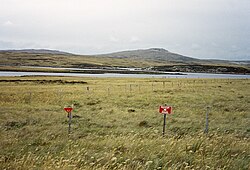
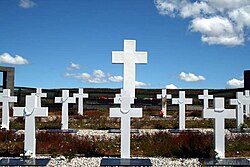
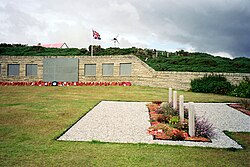
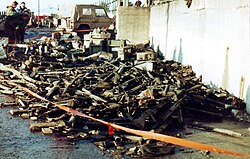
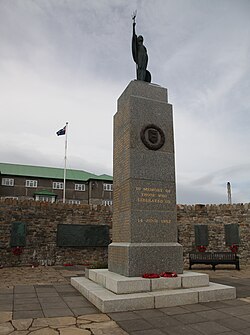
Today, memorials stand in both London and Buenos Aires, and cemeteries on East Falkland serve as reminders of the servicemen from both nations who lost their lives.
Frequently Asked Questions
![The Monumento a los Caídos en Malvinas ("Monument for the Fallen in the Falklands") in Plaza San Martín, Buenos Aires. A member of the historic Patricios regiment stands guard[nb 6]](/images/06/f9/06f9bd564410082b5651b30c35e9e409fc6d5f07041d2650e831fa3b8ff0d92f.jpg)
Who won the Falklands War?
The United Kingdom won the war, successfully recapturing the islands and restoring British administration after the Argentine surrender on June 14, 1982.
What was the primary cause of the war?
The war was caused by a dispute over sovereignty, with Argentina claiming the islands (which they call Las Malvinas) as their own, leading to the Argentine invasion in April 1982.
What was the role of the Sea Harrier?
The Sea Harrier was the primary British combat aircraft, providing essential air cover for the task force and engaging Argentine aircraft to maintain air superiority.
How many casualties were there?
Argentina suffered 649 deaths and over 1,600 wounded, while the United Kingdom suffered 255 deaths and 775 wounded. Additionally, three Falkland Islanders were killed by shelling.
What happened to the Argentine government after the war?
The military defeat significantly weakened the Argentine junta, contributing to the eventual end of military rule and a return to democratic governance in Argentina.