Ex Situ Conservation: Protecting Endangered Species Outside Natural Habitats
Ex situ conservation (literally "off-site conservation") is the critical process of protecting endangered species, varieties, or breeds of plants and animals outside their natural habitats. By removing a portion of a population from a threatened environment and placing it in a human-managed artificial setting—such as a wildlife sanctuary or zoological park—conservationists can safeguard genetic material from immediate extinction.
In these managed environments, humans control various natural dynamics, including reproductive patterns, access to resources, and protection from predators. However, because these individuals exist outside their ecological niche (the specific role and space a species occupies in an ecosystem), they are no longer subject to the same natural selection pressures as their wild counterparts. Over multiple generations, this can lead to artificial selection.
Beyond wildlife, this approach is vital for agricultural biodiversity. Gene banks store samples of major crop plants and their wild relatives to ensure the genetic resources necessary for food security are preserved.
Key Facts
- Definition: Conservation of biological diversity outside its natural habitat.
- Primary Facilities: Includes zoos, aquariums, botanical gardens, and specialized gene banks.
- Plant Methods: Ranges from seed banking and cryopreservation to field gene banks and tissue culture.
- Animal Methods: Focuses on captive breeding and the cryogenic storage of sperm, eggs, and embryos.
- Genetic Goal: To maintain at least 90% of current genetic diversity over a 100-year period.
- Limitation: It is generally viewed as a supplement to, or last resort for, in situ (on-site) conservation.
Conservation Facilities
Botanical Gardens, Zoos, and Aquariums
These are the most conventional ex situ sites, housing whole specimens for breeding and potential reintroduction into the wild. Beyond biological preservation, these facilities serve a massive educational purpose, informing the public about the threats facing endangered species. The World Zoo Conservation Strategy (WZCS) estimates that 1,100 organized zoos receive over 600 million visitors annually. Globally, there are approximately 2,107 zoos and aquaria across 125 countries. In the United States alone, roughly 2,000 botanical gardens cultivated an estimated 80,000 plant taxa as of 2004.
Techniques for Plant Conservation
Cryopreservation and Seed Banking
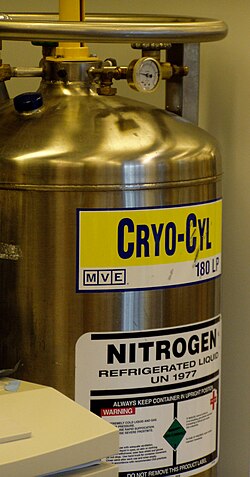
Cryopreservation involves storing seeds, pollen, tissue, or embryos in liquid nitrogen. This allows for virtually indefinite storage without deterioration. While highly effective, technical limitations currently prevent its use for all species.
Seed banking is the storage of seeds in temperature- and moisture-controlled environments. This is used for taxa with orthodox seeds, which can tolerate desiccation (drying out). Conversely, taxa with recalcitrant seeds, which cannot survive drying, are generally not suitable for long-term seed banking.

Field Gene Banks and Cultivation
For species that cannot be stored as seeds, field gene banks—extensive open-air plantings—are used to maintain genetic diversity. Similarly, cultivation collections in botanic gardens or arboreta maintain plants in ambient environments, though they are often less genetically diverse and more susceptible to disease and genetic drift.
Inter Situ and Tissue Culture
Inter situ conservation involves horticultural care in environments managed to near-natural conditions, often used for rare taxa in degraded habitats. Tissue culture involves storing somatic tissue in vitro under controlled light and temperature, primarily for the clonal propagation of vegetative tissue or immature seeds.
Techniques for Animal Conservation
Cryogenic Storage
Similar to plants, animal genetics are preserved in gene banks using cryogenic facilities to store living sperm, eggs, or embryos. A notable example is the "frozen zoo" established by the Zoological Society of San Diego, which stores samples from more than 355 species, including birds, reptiles, and mammals.
Genetic Management of Captive Populations
Managing captive populations is complex due to risks like inbreeding depression and adaptation to captivity. To ensure successful reintroduction, managers aim for a target population size capable of maintaining 90% of genetic diversity over 100 years.
One effective strategy is minimizing mean kinship. Kinship is the probability that two alleles are identical by descent. By breeding individuals with the lowest mean kinship values (those least related to the rest of the population), conservationists ensure that rare alleles are passed on, increasing overall genetic diversity.
Preventing Genetic Loss and Adaptation
To avoid the founder effect (loss of genetic variation when a new population is established by a small number of individuals), managers ensure founder populations are large and representative. They may also use artificial insemination with sperm from wild individuals to introduce fresh genetic material.
To prevent adaptation to captivity—where traits beneficial in a zoo become deleterious in the wild—managers may split populations into separate fragments. These smaller sub-populations have lower adaptive potential, reducing the likelihood of accumulating captivity-related traits. Individuals are exchanged between fragments only when inbreeding becomes a concern.
Summary of Ex Situ Methods
| Method | Target | Primary Mechanism | Key Advantage |
|---|---|---|---|
| Cryopreservation | Plants/Animals | Liquid Nitrogen storage | Indefinite storage duration |
| Seed Banking | Orthodox Plants | Controlled temp/moisture | Efficient large-scale storage |
| Field Gene Banks | Recalcitrant Plants | Open-air planting | Preserves non-seed-storable taxa |
| Captive Breeding | Animals | Managed reproduction | Population growth for reintroduction |
| Tissue Culture | Plants | In vitro propagation | Rapid clonal proliferation |
Real-World Examples
- Showy Indian clover (Trifolium amoenum): Thought to be extinct until a single plant was found in 1993; it was subsequently grown in ex situ facilities.
- Wollemi pine: Preserved via ex situ conservation and grown in nurseries for public sale.
- Orange-bellied parrot: With a wild population of only 14 birds in early 2017, a captive breeding program maintains approximately 300 birds.
Drawbacks and Limitations
While vital, ex situ conservation is rarely sufficient on its own to save a species. It cannot recreate an entire habitat, including symbiotic relationships or the natural evolutionary pressures that allow a species to adapt to a changing environment. Because the evolutionary process is halted or altered, species released from ex situ care may lack the necessary mutations and adaptations to thrive in the wild.
Frequently Asked Questions
What is the difference between ex situ and in situ conservation?
Ex situ conservation happens outside the natural habitat (e.g., in a zoo or seed bank), while in situ conservation occurs within the species' natural environment (e.g., a national park).
Why can't all plants be stored in seed banks?
Only plants with orthodox seeds, which can tolerate desiccation, can be stored in seed banks. Plants with recalcitrant seeds cannot survive the drying process and require other methods like field gene banks.
How does minimizing mean kinship help animals?
By breeding individuals who are the least related to the rest of the group, conservationists ensure that rare genetic alleles are preserved, which increases the overall genetic diversity and health of the population.
What is a "frozen zoo"?
A frozen zoo is a cryogenic facility that stores genetic samples, such as sperm, eggs, and embryos, from a wide variety of endangered species to preserve their genetic blueprint for the future.
Can ex situ conservation completely save a species?
It is generally used as a supplement or last resort. Because it removes species from their ecological context and halts natural evolution, it is most effective when paired with efforts to protect and restore natural habitats.