Everton Football Club: A Legacy of the Toffees
Founded in 1878, Everton Football Club stands as one of the most storied institutions in English football. Known affectionately by their supporters as the Evertonians, the club has spent nearly 150 years carving out a reputation for resilience, technical skill, and a deep connection to the city of Liverpool. From their early days to their current status in the Premier League, the club has earned several nicknames, including "The Blues," "The People's Club," and "The School of Science," the latter reflecting a historical commitment to a sophisticated, tactical style of play.
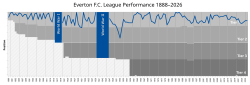
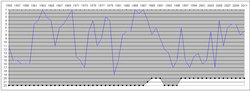
The club's journey through the English football league system has been one of longevity and prestige, maintaining a presence at the highest levels of the game for generations.
Key Facts
- Founded: 1878
- Current Stadium: Hill Dickinson Stadium (Capacity: 52,769)
- Current Manager: David Moyes
- Owner/Chairman: Dan Friedkin (Roundhouse Capital Holdings Limited)
- Primary Nicknames: The Toffees, The Blues, The School of Science
- League: Premier League
A History of Triumph and Tradition
Everton's early history is marked by rapid ascent and early success. The club secured its first league title in 1891, establishing itself as a powerhouse of the Victorian era.
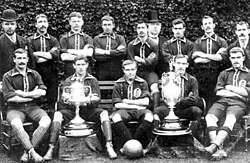
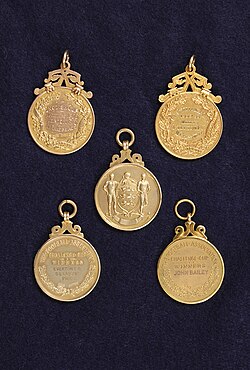
Over the decades, the club has added numerous accolades to its trophy cabinet, including multiple FA Cup victories. These triumphs are immortalized in the club's medals from 1906, 1933, 1966, 1984, and 1995.
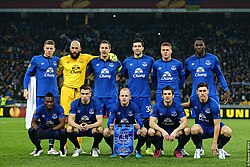
The club has also ventured into European competition, notably reaching the UEFA Europa League round of 16 in 2015, demonstrating its ability to compete on the continental stage.
Legendary Figures
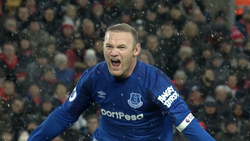
Everton has been home to some of the game's most iconic players. Wayne Rooney, after becoming Manchester United's record goalscorer, returned to the club to continue his legacy, notably scoring against rivals Liverpool during the 2017–18 season.
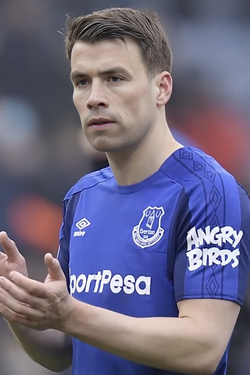
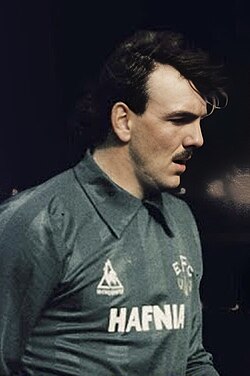
Other stalwarts include goalkeeper Neville Southall, who holds the record for the most first-team appearances (751) between 1981 and 1997, and long-serving captains like Séamus Coleman, who led the team from 2019 to 2026.
Stadiums and Identity
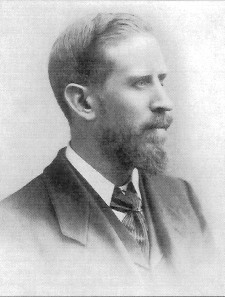
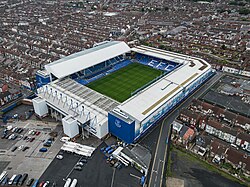
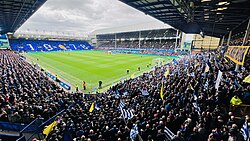
For over a century, Goodison Park served as the spiritual home of the Toffees. Arranged by George Mahon, the stadium was used from 1892 until 2025, witnessing countless Merseyside derbies and historic matches.
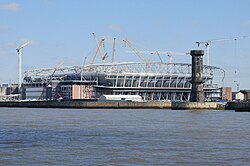
The club has since transitioned to the Hill Dickinson Stadium, a modern facility with a capacity of 52,769, ensuring the club's infrastructure matches its ambitions for the future.
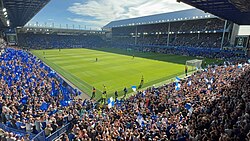
The passion of the fans remains the heartbeat of the club, with supporters filling the stands regardless of the venue.
The Crest and Symbolism
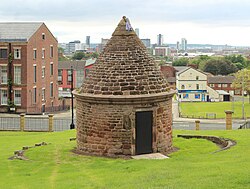
Everton's visual identity has evolved over time. A central feature of the club's badge since 1938 is the Everton Lock-Up, a symbol of the club's heritage.
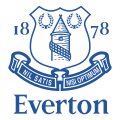
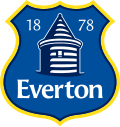
The crest has seen various iterations, including a monochrome version used between 2000 and 2013, and a redesigned version for the 2013–14 season.
Management and Ownership
The club is currently owned by Roundhouse Capital Holdings Limited, with Dan Friedkin serving as both Owner and Chairman. The executive leadership includes CEO Angus Kinnear, who joined the club in May 2024.
On the pitch, the club is led by manager David Moyes. Moyes has a deep history with the club, having previously managed the team from 2002 to 2013 before returning for a second tenure in 2025.
![David Moyes managed Everton from 2002 to 2013 and returned for a second tenure in 2025.[177]](/images/db/54/db542b04c21a3c3769e853f3e18efef990c14b81cf14e5798e25c4c75407c24d.jpg)
Club Overview Summary
| Category | Details |
|---|---|
| Full Name | Everton Football Club |
| Founded | 1878 |
| Current Stadium | Hill Dickinson Stadium |
| Capacity | 52,769 |
| Current Manager | David Moyes |
| Ownership | Roundhouse Capital Holdings Limited |
Rivalries and Culture
The Merseyside derby against Liverpool is one of the most intense and famous rivalries in world football, representing a clash of identity and pride within the city.
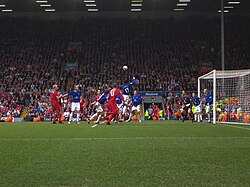
Despite the intensity of the rivalry, the club maintains a global reach, with official supporters clubs spanning from North America to Singapore and Malaysia.
The club's presence is felt even in popular culture, with its crest appearing in films and its history inspiring various musical tributes.
Frequently Asked Questions
Who is the current manager of Everton?
The current manager is David Moyes, who returned for a second tenure in 2025 after previously managing the club from 2002 to 2013.
What is the name of Everton's new stadium?
Everton now plays at the Hill Dickinson Stadium, which has a capacity of 52,769, replacing the historic Goodison Park.
Who holds the record for the most appearances for Everton?
Goalkeeper Neville Southall holds the record with 751 first-team appearances made between 1981 and 1997.
What does the nickname "The Toffees" refer to?
"The Toffees" is one of the club's primary nicknames, alongside "The Blues" and "The People's Club."
Who is the current owner of the club?
The club is owned by Roundhouse Capital Holdings Limited, with Dan Friedkin serving as the Chairman.