European Space Agency: Leading Europe's Journey into the Cosmos
The European Space Agency (ESA) serves as the gateway for Europe's ambitions in space. Established on May 30, 1975, ESA is an intergovernmental organization dedicated to the exploration of space for peaceful purposes. By pooling the resources of multiple nations, ESA enables Europe to maintain autonomous access to space and conduct cutting-edge scientific research that would be impossible for a single country to achieve alone.
Headquartered in Paris, France, the agency operates through a vast network of specialized centers across the continent, coordinating everything from satellite launches to astronaut training and deep-space observation.
Key Facts
- Founded: May 30, 1975.
- Headquarters: Paris, France.
- Membership: 23 member states.
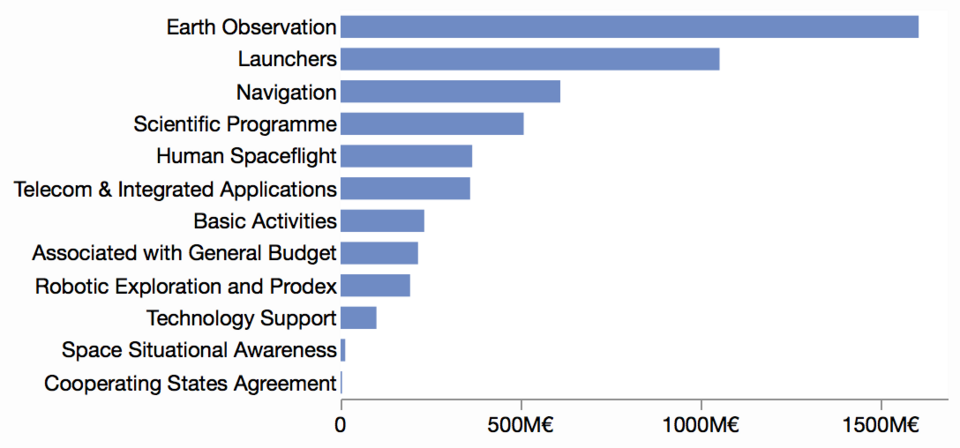
- Budget: €8.26 billion (projected for 2026).
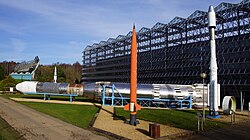
- Primary Spaceport: Guiana Space Centre in Kourou, French Guiana.
- Workforce: Approximately 3,000 employees as of 2025.
- Director General: Josef Aschbacher.
Organizational Structure and Facilities
ESA distributes its operations across several specialized facilities to maximize regional expertise and technical efficiency. These centers handle different phases of space missions, from design and testing to active control.
Technical and Operational Hubs
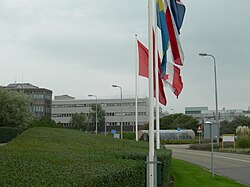
- ESTEC (European Space Research and Technology Centre): Located in Noordwijk, Netherlands, this is the heart of ESA's science missions.
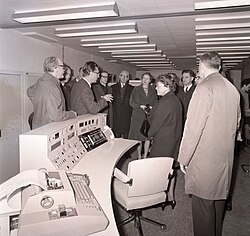
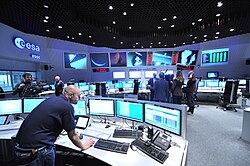
- ESOC (European Space Operations Centre): Based in Darmstadt, Germany, this center manages the actual flight operations and mission control.
- EAC (European Astronaut Centre): Situated in Cologne, Germany, where astronauts are trained for future missions.
- ESEC (European Space Security and Education Centre): Located in Redu, Belgium.
Specialized Research Sites
Other critical sites include the ESA Centre for Earth Observation in Frascati, Italy; the Toulouse Space Centre in France; and the Institute of Space Propulsion in Lampoldshausen, Germany. For launches, ESA relies heavily on the Guiana Space Centre in Kourou, France.
Core Programmes and Missions
ESA's activities are divided into mandatory programmes, which all member states contribute to, and optional programmes, which are funded by states interested in specific goals.
Science and Exploration
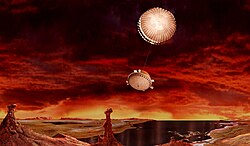
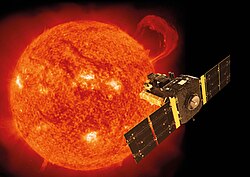
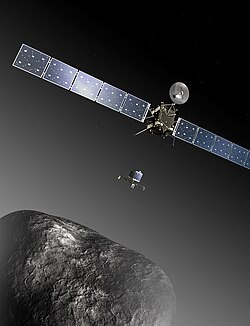
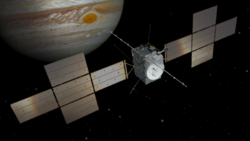
The agency's science programmes, such as Cosmic Vision and Voyage 2050, push the boundaries of our knowledge. Notable missions include the Solar and Heliospheric Observatory (SOHO) for studying the Sun, the Ulysses spacecraft, and the Rosetta mission, which deployed the Philae lander onto a comet.
Launch Vehicles
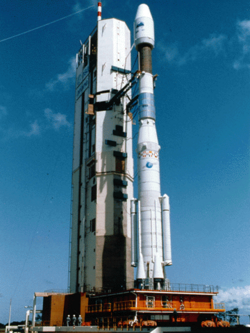
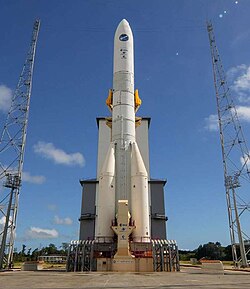
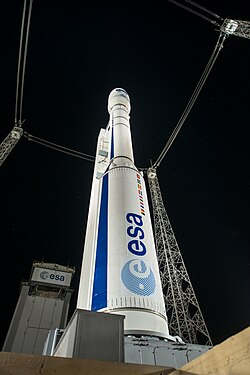
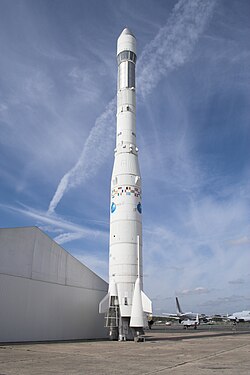
To ensure independent access to space, ESA develops its own rockets. The Ariane family (including Ariane 4 and the new Ariane 6) handles heavy payloads, while the Vega and Vega-C rockets are designed for smaller satellites.
Human Spaceflight and the ISS
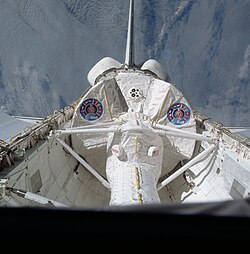
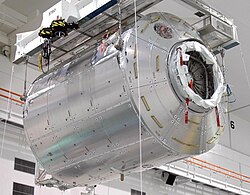
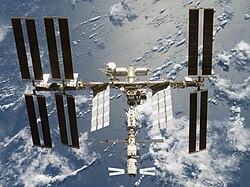
ESA is a key partner in the International Space Station (ISS). Europe's contributions include the Columbus laboratory module, the Cupola observation module, and the Automated Transfer Vehicle (ATV), such as the Jules Verne, used for resupply.
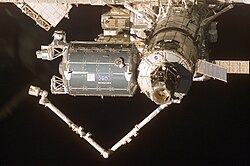
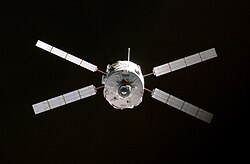
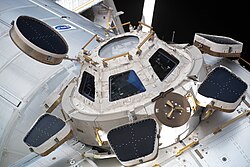
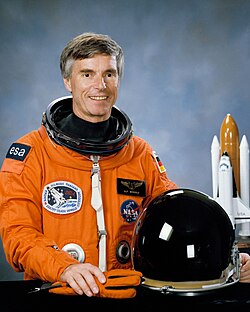
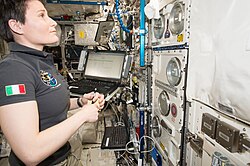
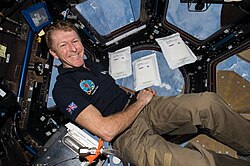
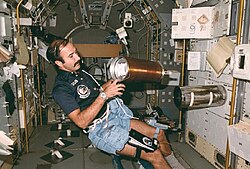
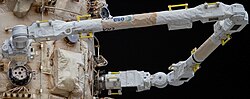
The agency also manages the European Robotic Arm and trains astronauts like Ulf Merbold, the first ESA astronaut to fly, and more recent explorers like Samantha Cristoforetti and Timothy Peake.
Earth Observation and Navigation
ESA manages critical infrastructure for the planet, including the Copernicus programme for Earth observation and the Galileo global navigation satellite system, providing high-precision positioning independently of other nations.
The Rise of CubeSats and Small Satellites
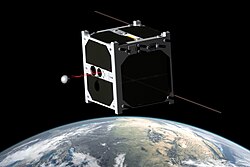
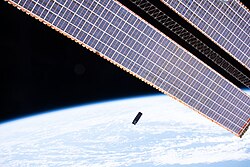
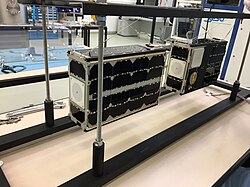
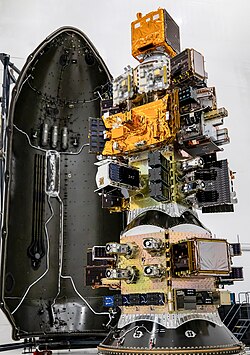
Since the 2010s, ESA has pivoted toward smaller, more agile satellites known as CubeSats. These are miniaturized satellites used for technology demonstration and education.
- Educational Initiatives: The Fly Your Satellite! (FYS) programme allows students to develop their own satellites, such as AAUSAT5 and EIRSAT-1.
- Innovation Hubs: The InCubed programme supports startups in launching missions like MANTIS and the Hyperfield hyperspectral imaging constellation.
- National Projects: Examples include ESTCube-1 (Estonia's first satellite) and various Greek CubeSats like PHASMA and MICE-1.
ESA Summary Table
| Category | Details |
|---|---|
| Member States | 23 (including France, Germany, Italy, UK, etc.) |
| Key Launchers | Ariane 6, Vega, Vega-C |
| Major ISS Modules | Columbus, Cupola, ATV |
| Navigation System | Galileo |
| Earth Observation | Copernicus |
| Budget (2026) | €8.26 billion |
Frequently Asked Questions
What is the difference between mandatory and optional programmes?
Mandatory programmes are those that all ESA member states must contribute to, typically focusing on core science and technology. Optional programmes are specific projects (like certain launchers or telecommunications) that member states can choose to fund based on their national interests.
How does ESA differ from the European Union (EU)?
While they cooperate closely, ESA is a separate intergovernmental organization. It includes members that are not in the EU (such as Norway and Switzerland) and focuses specifically on space exploration and technology, whereas the EU is a political and economic union.
What are CubeSats and why does ESA use them?
CubeSats are small, standardized satellites. ESA uses them to lower the cost of entry for space research, allow students to gain hands-on experience through the Fly Your Satellite! programme, and rapidly test new technologies in orbit.
Where does ESA launch its rockets?
The primary spaceport is the Guiana Space Centre located in Kourou, French Guiana. Its location near the equator provides a physical advantage for launching satellites into orbit with greater efficiency.
What is the purpose of the Galileo system?
Galileo is Europe's own global navigation satellite system. It ensures that Europe does not have to rely on foreign-owned systems (like the US GPS) for critical positioning, navigation, and timing services.