Ethel Waters: The Pioneering Voice of Jazz, Broadway, and Television
Ethel Waters was a transformative force in American entertainment, a versatile artist who seamlessly navigated the worlds of jazz, gospel, blues, and pop. From her early days in the Harlem clubs of the 1920s to her historic achievements on the silver screen and television, Waters broke systemic barriers for African American performers. Her career, spanning six decades, was marked by a relentless pursuit of artistic excellence and a courage to challenge degrading stereotypes.
Key Facts
- First African American to star in her own television show (The Ethel Waters Show, 1939).
- First African American woman nominated for a Primetime Emmy Award.
- Second African American ever nominated for an Academy Award (for Pinky, 1949).
- Highest paid black recording artist during her tenure with Black Swan Records in the early 1920s.
- Genre Versatility: Mastered jazz, swing, pop, blues, and gospel.
Early Life and Foundations
Born on October 31, 1896, in Chester, Pennsylvania, Ethel Waters had a challenging start to life. She was born to Louise Anderson, following the rape of her mother by a 17-year-old pianist named John Wesley Waters. While historical accounts of her mother's age at the time vary—with some sources suggesting she was as young as 13 and others indicating she may have been 15 or 16—the trauma of her origin remained a significant part of her personal history.
A Musical Journey: From Blues to Pop
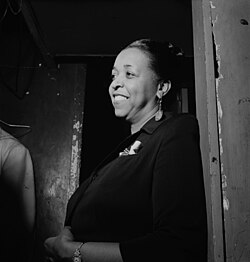
Waters began her professional journey in Harlem, where she first worked at Edmond's Cellar, a club catering to black patronage that focused on popular ballads. In 1921, she made history as the fifth black woman to record, starting with Cardinal Records. She soon moved to Black Swan Records, where she was accompanied by Fletcher Henderson, though she famously found his classical approach lacked the "damn-it-to-hell bass" she preferred.
During her time with Black Swan (1921–1923), Waters became the highest-paid black recording artist of the era. Her discography grew to include timeless hits such as "Am I Blue?" and "Stormy Weather," establishing her as a powerhouse in the recording industry across labels like Columbia, Brunswick, and Decca.
Breaking Barriers in Film, Theater, and Television
Waters was a trailblazer in visual media. On June 14, 1939, she became the first African American to star in her own television show, The Ethel Waters Show on NBC. This variety special featured a dramatic performance of Mamba's Daughters, a play based on the Gullah community of South Carolina.
In 1950, she starred in Beulah on ABC, the first nationally broadcast weekly series to feature an African American in the lead role. However, Waters' commitment to dignity outweighed her fame; she quit the series in 1951, citing that the portrayal of black people was "degrading."
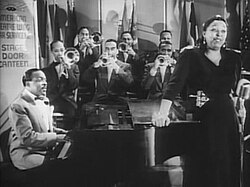
Her talent extended to the Broadway stage and cinema. She earned an Academy Award nomination for Best Supporting Actress for her role in Pinky (1949) and delivered a memorable performance in The Member of the Wedding. Her stage career was equally prolific, featuring in numerous revues and plays, including Cabin in the Sky.
Personal Life and Spiritual Awakening
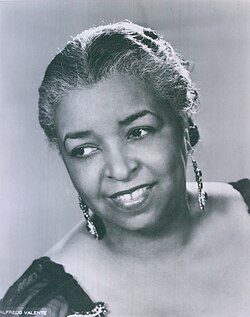
Waters' personal life was marked by three marriages—to Merritt Purnsley, Clyde E. Matthews, and Edward Mallory—none of which resulted in children. She was the great-aunt of singer-songwriter Crystal Waters.
A significant turning point occurred in 1957 when Waters attended a Billy Graham Crusade at Madison Square Garden. This experience led to a deep spiritual rededication. In her later years, she frequently toured with Billy Graham, though she remained a baptized Catholic throughout her life. This spiritual shift was reflected in her music, particularly her poignant version of "His Eye Is on the Sparrow."
The Lost Portrait
In 1939, artist Luigi Lucioni painted a portrait of Waters, capturing her in a red dress and mink coat. The painting, which conveyed a sense of vulnerability, was considered lost for over 70 years until it was traced to a private residence and eventually acquired by the Huntsville Museum of Art in 2017.
Career Summary
| Category | Key Achievement / Detail |
|---|---|
| Major Hits | "Am I Blue?", "Stormy Weather", "Dinah" |
| TV Milestones | First Black star of her own show (1939); First Black lead in weekly series (1950) |
| Film Accolades | Academy Award Nomination for Pinky (1949) |
| Recording Labels | Black Swan, Columbia, Brunswick, Decca, Cardinal |
| Hall of Fame | Gospel Music Hall of Fame (1983), Christian Music Hall of Fame (2007) |
Frequently Asked Questions
Why did Ethel Waters leave the show Beulah?
Waters left the series in 1951 because she felt the portrayal of African Americans in the show was degrading.
What were some of Ethel Waters' most famous songs?
Her most notable recordings include "Stormy Weather," "Am I Blue?," "Dinah," and "His Eye Is on the Sparrow."
What television milestones did Ethel Waters achieve?
She was the first African American to star in her own television show (1939) and the first African American woman to be nominated for a Primetime Emmy Award.
How did Ethel Waters contribute to the recording industry?
She was the fifth black woman to make a record and became the highest-paid black recording artist during her time with Black Swan Records in the early 1920s.
What was the significance of the Luigi Lucioni portrait?
The portrait, painted in 1939, captured Waters at the height of her career. After being missing from public view since 1942, it was rediscovered and acquired by the Huntsville Museum of Art in 2017.