Erwin Rommel: The Life and Legacy of the Desert Fox
Johannes Erwin Eugen Rommel, known to history as The Desert Fox (Wüstenfuchs), was one of the most celebrated and controversial military commanders of the 20th century. A Generalfeldmarschall (field marshal) of Nazi Germany, Rommel's career spanned three different eras of the German military: the Imperial German Army, the Reichswehr of the Weimar Republic, and the Wehrmacht of the Third Reich.
Rommel earned international fame for his tactical brilliance and audacity, particularly during the North African campaign. However, his legacy remains a complex blend of military genius, association with the Nazi regime, and his eventual forced suicide following the plot to assassinate Adolf Hitler.
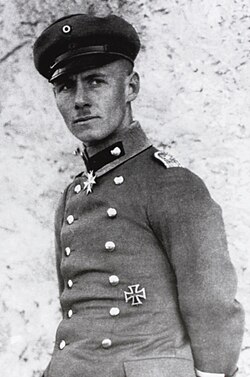
Key Facts
- Full Name: Johannes Erwin Eugen Rommel
- Nickname: The Desert Fox (Der Wüstenfuchs)
- Highest Rank: Generalfeldmarschall
- Major Commands: 7th Panzer Division, Afrika Korps, Army Group Africa, Army Group B
- Key Conflicts: World War I and World War II
- Death: Forced suicide via cyanide poisoning on October 14, 1944
Early Career and World War I
Rommel's military journey began in 1910. During World War I, he distinguished himself through bravery and tactical skill, participating in the First Battle of the Argonne, the Masivul Lesului and Oituz campaigns, and the Battle of Caporetto. His exceptional service during this period earned him the Pour le Mérite, Germany's highest military honor, in December 1917.
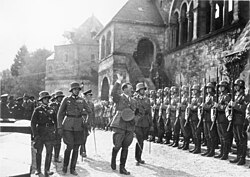
World War II: From Poland to France
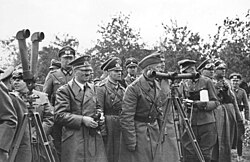
At the outbreak of World War II, Rommel played a significant role in the Poland campaign of 1939. He later gained prominence during the 1940 Battle of France, where he commanded the 7th Panzer Division. His rapid movements and aggressive tactics during the invasion of the Netherlands, Belgium, and France—specifically at the Battle of Arras and the Siege of Lille—cemented his reputation as a master of armored warfare.
The North African Campaign
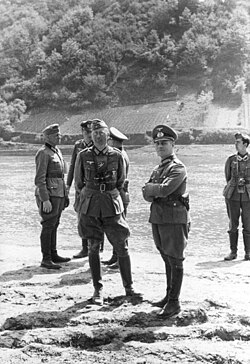
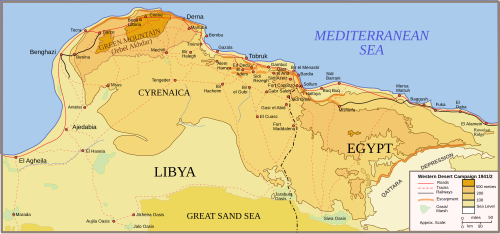
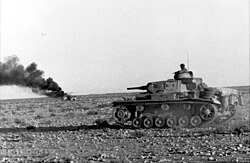
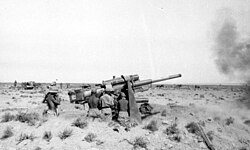
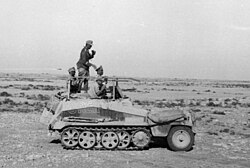
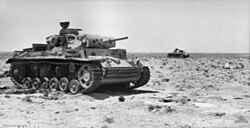
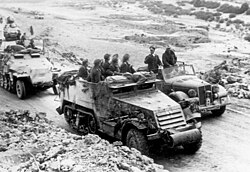
Rommel is most famously associated with the Afrika Korps, the expeditionary force sent to North Africa to support Italian allies. Between 1941 and 1943, he led a series of daring offensives across the Western Desert, utilizing speed and surprise to outmaneuver Allied forces.
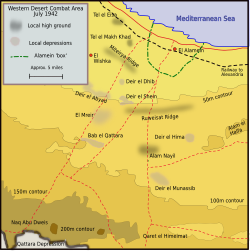
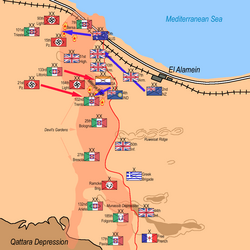
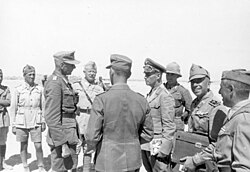
His successes included the Siege of Tobruk and the Battle of Gazala, which led to the Axis capture of Tobruk. However, the tide turned at the First and Second Battles of El Alamein. Despite his tactical skill, Rommel faced mounting logistical challenges and superior Allied resources, eventually leading to the end of the Africa campaign and his transition to Tunisia, where he fought the Battle of the Kasserine Pass.
The Atlantic Wall and Final Days
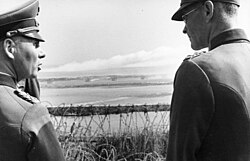
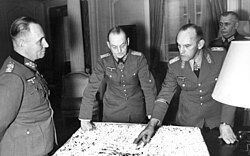
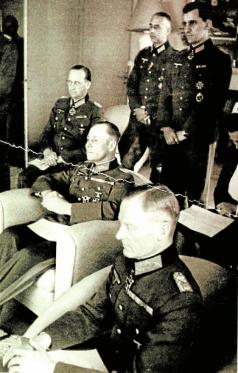
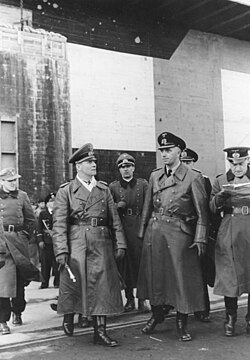
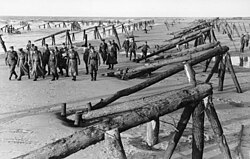
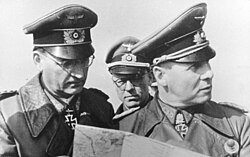
In 1944, Rommel was tasked with strengthening the Atlantic Wall—the extensive system of coastal fortifications intended to prevent an Allied invasion of Western Europe. He spent months inspecting defenses and coordinating with other high-ranking officers, such as Generalfeldmarschall Gerd von Rundstedt, in Paris.
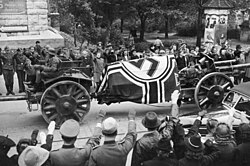
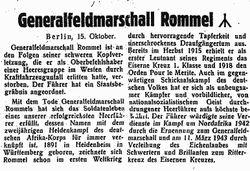
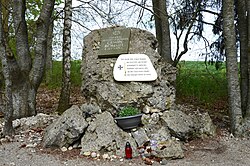
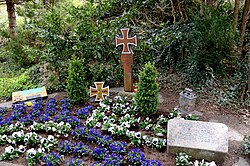
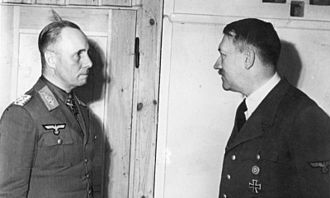
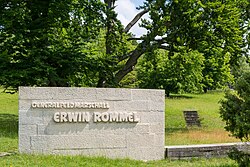
Despite his military success, Rommel's relationship with the Nazi leadership soured. He became linked to the military resistance's inner circle, which sought to overthrow Adolf Hitler. Following the failed July 20 plot to assassinate Hitler, Rommel was implicated. To save his family from reprisals, he was forced to commit suicide via cyanide poisoning on October 14, 1944, in Herrlingen.
Military Style and Reputation
Rommel was known for leading from the front, often placing himself in the thick of combat to better understand the battlefield. This approach earned him the deep respect of his troops and even the admiration of his enemies. However, historians continue to debate his relationship with Nazism and his knowledge of atrocities committed during the war, including the treatment of civilians and prisoners.
![Rommel helping to free his staff car, a Škoda Superb Kfz 21[293]](/images/09/0d/090d71a54ea150179da9bc36b9006a6477a6d3095f69add55848c80367e9c251.jpg)
![Rommel at a Paris victory parade (June 1940). Rommel had access to Reich Minister of Propaganda Joseph Goebbels via senior propaganda official Karl Hanke, who served under Rommel during the 1940 campaign.[453]](/images/32/10/32109786c1940fb683f05270c805645d5aa2105f75bb44b1e3c9ac06521e0b0b.jpg)
![Bust of Rommel at Al Alamein war museum in Egypt, which was built by Anwar Sadat in honour of Rommel. The museum was expanded into a general war museum but Rommel remains a central figure.[537]](/images/dd/dd/dddd27d3d0d8579de1cf846febb438f5fd1d889d3fee683fc0d0098befce7148.jpg)
| Period | Key Command/Role | Major Engagements | Key Outcome |
|---|---|---|---|
| World War I | Imperial German Army | Battle of Caporetto | Awarded Pour le Mérite |
| 1939-1940 | 7th Panzer Division | Battle of France | Rapid advance to the Channel |
| 1941-1943 | Afrika Korps / Army Group Africa | El Alamein, Tobruk | Fame as "The Desert Fox" |
| 1944 | Army Group B | Atlantic Wall Defense | Forced suicide |
Frequently Asked Questions
Why was Erwin Rommel called "The Desert Fox"?
He earned the nickname due to his cunning tactics, ability to surprise the enemy, and mastery of the challenging terrain in North Africa.
What was Rommel's role in the Atlantic Wall?
Rommel was responsible for overseeing and strengthening the coastal defenses of Western Europe to repel the anticipated Allied invasion (D-Day).
How did Erwin Rommel die?
Rommel was forced to commit suicide by cyanide poisoning on October 14, 1944, after being implicated in the plot to assassinate Adolf Hitler.
What were Rommel's most significant awards?
His most prestigious awards included the Pour le Mérite from WWI and the Knight's Cross of the Iron Cross with Oak Leaves, Swords, and Diamonds during WWII.
Did Rommel support the plot against Hitler?
While the extent of his involvement is debated by historians, he was linked to the inner circle of the military resistance, which ultimately led to his forced suicide.