Enxet People: Struggle for Land and Survival in the Gran Chaco
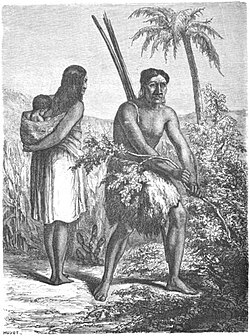
The Enxet are an Indigenous people residing in the Gran Chaco region of western Paraguay. Historically a society of hunter-gatherers, the Enxet have faced systemic challenges as their natural forest habitats have dwindled. Today, the population is estimated at approximately 17,000, though a significant portion of the community has been forced to transition from traditional livelihoods to working as laborers on cattle ranches that have encroached upon their ancestral lands.
While the majority of the Enxet now live in small settlements sponsored by missionary organizations, a small number continue to maintain their traditional way of life. Despite these pressures, the Enxet and Enlhet languages remain vigorous, serving as a vital link to their cultural heritage.
Key Facts
- Population: Approximately 17,000 people.
- Location: Gran Chaco region, western Paraguay.
- Land Loss: Currently hold title to only about 2.8% of their pre-Chaco War territory.
- Legal Victory: The Sawhoyamaxa community successfully fought for the return of 14,404 hectares of land.
- Cultural Status: Enxet and Enlhet languages remain active and vigorous.
The Devastation of the Chaco War
The period between 1932 and 1935 marked a catastrophic era for the Enxet. The Chaco War, fought between Bolivia and Paraguay over natural resources, tore through the heart of Enxet territory. This conflict did more than just ravage the landscape; it severely disrupted the cultural fabric of the tribe.
The impact was multifaceted and brutal:
- Loss of Oral History: Military colonization led to the deaths of many tribe members before they could pass down their verbal histories.
- Disease: A smallpox epidemic in 1932 killed nearly half of the Enxet population.
- Human Rights Abuses: Reports indicate severe abuse by Paraguayan forces, including the killing of men who refused to surrender their women.
- Political Targeting: Both Bolivia and Paraguay targeted the Enxet due to suspicions that the Indigenous people were acting as spies.
Following Paraguay's victory, the government accelerated the settlement and development of the Chaco. This resulted in widespread deforestation and the division of Enxet lands, which were handed over to cattle farmers. The combination of deforestation and overgrazing left the land permanently scarred.
The Fight for Land and Water Rights
The struggle for territorial recovery is best exemplified by the Sawhoyamaxa, a community of 90 Enxet families. Their legal battle centered on 14,404 hectares of traditional land that had been acquired by Heribert Roedel.
The Inter-American Court of Human Rights
The case of Sawhoyamaxa Indigenous Community v. Paraguay brought international attention to the state's failure to recognize Indigenous property rights. In 1991, the state removed the Sawhoyamaxa from their land, cutting off their access to food, schooling, health services, and water.
The court ruled that this violated Article 4 of the American Convention on Human Rights, which protects the right to life. Crucially, the court determined that the right to water is an intrinsic part of the right to life and access to land. The ruling required the Paraguayan state to return the lands, provide compensation, and implement basic services.
Legal Victories and Re-occupation
Although the land was legally signed over in 2011, the process of recovery was slow. In 2013, the Sawhoyamaxa took direct action by re-occupying their land. The legal battle concluded in 2014 when the Paraguay Supreme Court rejected a claim that the government's expropriation of the land for the Sawhoyamaxa was unconstitutional.
| Metric | Detail/Status |
|---|---|
| Current Total Population | ~17,000 |
| Post-War Population Low | ~8,200 |
| Land Ownership (vs. Pre-War) | Approximately 2.8% |
| Sawhoyamaxa Land Recovery | 14,404 hectares |
| Primary Threats | Cattle ranching, deforestation, settlement |
Frequently Asked Questions
What is the current status of the Enxet people?
The Enxet are an Indigenous group of about 17,000 people in western Paraguay. While many now work as laborers on cattle ranches or live in missionary-sponsored settlements, they continue to fight for their remaining forest habitats and land rights.
How did the Chaco War affect the Enxet?
The war caused massive population loss through violence and a 1932 smallpox epidemic that killed nearly half the population. It also destroyed ancestral lands and erased significant portions of their oral history.
What was the significance of the Sawhoyamaxa court case?
The case established that access to water and ancestral land is a fundamental part of the right to life under the American Convention on Human Rights, forcing the Paraguayan government to return land and provide basic services to the community.
Are the Enxet languages still spoken?
Yes, both the Enxet and Enlhet languages remain vigorous today despite the external pressures of colonization and settlement.
How much of their original land do the Enxet still hold?
The Enxet currently hold title to approximately 2.8 percent of the area they occupied before the start of the Chaco War.