Endangered Species: Conservation Status, Threats, and Recovery Successes
An endangered species is a biological group that faces a very high risk of becoming extinct in the near future, whether on a global scale or within a specific geographic region. Extinction occurs when the last individual of a species dies, resulting in the permanent loss of that organism's unique genetic lineage and ecological role.
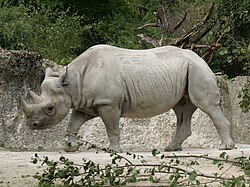
The drive toward extinction is rarely the result of a single factor. Instead, it is typically caused by a combination of habitat loss, poaching, the introduction of invasive species, and the overarching effects of climate change. Human activity remains a primary driver in pushing species toward the brink.
Key Facts
- IUCN Red List: The global standard for assessing the conservation status of mammals, birds, amphibians, cycads, and corals.
- Primary Threats: Habitat destruction, poaching, invasive species, and climate change are the leading causes of species decline.
- Conservation Tools: Strategies include captive breeding, habitat restoration, and legal protections like the Endangered Species Act.
- Climate Threshold: Scientists suggest reducing atmospheric carbon dioxide to 350 ppm to maintain a climate suitable for many adapted organisms.
- Recovery Potential: Species like the bald eagle and gray wolf demonstrate that targeted intervention can reverse the trend toward extinction.
Understanding Conservation Status
To prioritize conservation efforts, scientists use standardized categories to describe the risk level of various species. The most widely recognized system is the IUCN Red List, which provides a comprehensive assessment of global conservation status.
The IUCN Risk Categories
The IUCN classifies species based on their proximity to extinction:
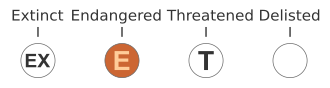
- Extinct (EX): No known living individuals remain.
- Extinct in the Wild (EW): Survives only in captivity or as a naturalized population outside its original range.
- Critically Endangered (CR): Faces the highest risk of extinction in the wild.
- Endangered (EN): Faces a very high risk of extinction in the wild.
- Vulnerable (VU): Faces a high risk of extinction in the wild.
- Near Threatened (NT): Likely to become endangered in the near future.
- Least Concern (LC): Populations are currently robust and healthy.
- Data Deficient (DD): Insufficient information exists to make an accurate assessment.
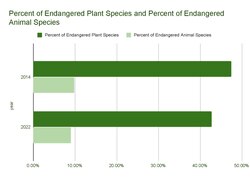
In 2012, the IUCN Red List identified 3,079 animal species and 2,655 plant species as Endangered (EN) worldwide.
Threats to Biodiversity
Climate Change and Atmospheric Carbon
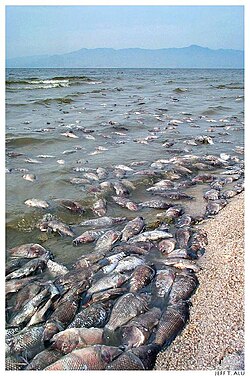
Climate change alters the environments to which species have adapted over millennia. NASA scientist James Hanson has emphasized that to maintain a climate similar to the one under which human civilization developed, atmospheric carbon dioxide (CO2) levels need to be reduced to 350 parts per million (ppm). For context, pre-industrial levels rarely exceeded 280 ppm, while 2014 levels fluctuated between 395 and 402 ppm.
The Complexity of Captive Breeding and Farming
While captive breeding is a vital tool for saving species, some practices can be counterproductive. In China and South-Eastern Asia, turtle farming has created a complex dynamic. While the percentage of farm-raised turtles in the trade rose from 30% in 2000 to 70% in 2007, experts like Peter Paul van Dijk warn that farmers may still capture the last remaining wild specimens to use as "superior" breeding stock.
Conservation Success Stories
Despite the challenges, rigorous conservation efforts have led to the recovery of several high-profile species.
The American Bald Eagle
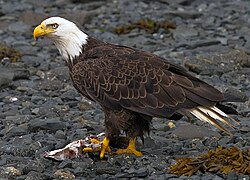
In 1963, only 417 nesting pairs of bald eagles remained in the contiguous United States due to habitat destruction and the use of pesticides like DDT. Through legal protections, the banning of DDT, and the creation of sanctuaries, the population surged to 71,400 nesting pairs by 2020, leading to its removal from the threatened and endangered list.
The Gray Wolf
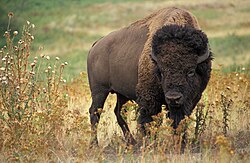
After being nearly eradicated from the lower 48 states, gray wolves were reintroduced to Yellowstone in 1995 and 1996 using 31 wolves from western Canada. This restoration of a key predator stabilized wildlife dynamics. By 2017, wolves were delisted in Idaho, Montana, and Wyoming.
The Channel Island Fox
Starting in 1999, a multi-pronged approach—including captive breeding, the removal of predatory golden eagles, and the eradication of non-native ungulates—led to the fastest recovery of any mammal listed under the U.S. Endangered Species Act. Three subspecies were officially delisted in 2016.
Summary of Conservation Status and Examples
| Species | IUCN Status | Key Threat/Note |
|---|---|---|
| Blue-throated Macaw | Critically Endangered | Avian species at extreme risk |
| Brown Spider Monkey | Critically Endangered | Mammalian species at extreme risk |
| Siamese Crocodile | Critically Endangered | Reptilian species at extreme risk |
| Kemp's Ridley Sea Turtle | Critically Endangered | Reptilian species at extreme risk |
| American Burying Beetle | Endangered | Insect species at high risk |
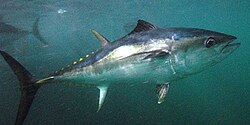
| Southern Bluefin Tuna | Endangered | Marine species subject to overfishing |
Frequently Asked Questions
What is the difference between "Endangered" and "Threatened"?
While often used interchangeably in general conversation, the IUCN Red List uses these terms specifically. "Threatened" is a broad category that includes species listed as Vulnerable, Endangered, and Critically Endangered. "Endangered" specifically refers to the intermediate risk level between Vulnerable and Critically Endangered.
How does the IUCN Red List determine if a species is "Data Deficient"?
A species is labeled Data Deficient (DD) when there is not enough information available to make a direct, accurate assessment of its risk of extinction. These species require further research before a conservation status can be assigned.
Can a species be removed from the endangered list?
Yes. Through successful conservation efforts—such as habitat protection, legal bans on harmful chemicals, and captive breeding—populations can rebound. The American bald eagle is a primary example of a species that was delisted after its population recovered.
Why is carbon dioxide (CO2) levels relevant to endangered species?
Many organisms are adapted to specific climatic conditions. High levels of CO2 drive global temperature changes and habitat shifts. Scientists suggest a target of 350 ppm of CO2 to maintain a climate that supports the survival of species adapted to pre-industrial conditions.
Does turtle farming help save wild turtles?
It is a mixed result. While farm-raised turtles have replaced many wild-caught turtles in the marketplace (increasing from 30% in 2000 to 70% in 2007), some farmers still capture rare wild specimens to use as breeding stock, which can threaten the last remaining wild populations.