Endangered Species and the IUCN Red List
When we hear the term endangered species, we often think of animals on the brink of disappearance. In scientific terms, specifically according to the International Union for Conservation of Nature (IUCN), endangered species are those categorized as very likely to become extinct in their known native ranges in the near future.
The IUCN maintains the Red List, a comprehensive global inventory that assesses the conservation status of biological species. This system provides a standardized way to track biodiversity loss and prioritize conservation efforts worldwide. Over time, the number of species listed as endangered has grown; for instance, in 1998, the list included 1,102 animal and 1,197 plant species, but by 2012, these numbers had risen to 3,079 animals and 2,655 plants.
Key Facts
- Endangered (EN) is the second-most severe status on the IUCN Red List, following Critically Endangered (CR).
- The term Threatened is an umbrella category that includes species listed as Vulnerable, Endangered, or Critically Endangered.
- Species are re-assessed as new data becomes available, though the total number of endangered species continues to rise as more are studied.
- The IUCN system uses specific quantitative criteria (A through E) to determine a species' status.
The IUCN Conservation Hierarchy
The IUCN Red List does not simply label a species as "safe" or "at risk." It uses a nuanced schema to describe the level of threat a population faces. At the lower end of the risk spectrum are species of Least Concern (LC) and those that are Near Threatened (NT), both of which are considered to have relatively robust and healthy populations.
For species requiring more urgent attention, the list identifies those that are Vulnerable (VU), Endangered (EN), and Critically Endangered (CR). If there is insufficient information to make a determination, a species is labeled as Data Deficient (DD).
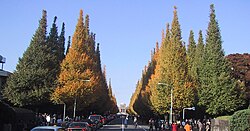
Many iconic species fall into the endangered category, ranging from the Blue whale and Mountain gorilla to the Komodo dragon and the Asian elephant. This list also includes flora, such as the Georgia oak and the Korean fir.
Criteria for Endangered Status
To be officially classified as endangered under the IUCN version 3.1 system, a species must meet at least one of five specific scientific criteria:
A. Population Reduction
A species may be listed if it shows a significant decline in population size over 10 years or three generations. This includes:
- A reduction of ≥ 70% where causes are understood, ceased, and reversible.
- A reduction of ≥ 50% where causes may not be understood or ceased.
- A projected reduction of ≥ 50% within the next 10 years or three generations.
B. Geographic Range
This criterion looks at the extent of occurrence (the overall area the species is found) or the area of occupancy (the actual area occupied). A species is endangered if:
- The extent of occurrence is less than 5,000 km².
- The area of occupancy is less than 500 km².
- In both cases, the population must also be severely fragmented, exist in five or fewer locations, or show continuing decline or extreme fluctuations.
![The Siberian tiger is an endangered tiger subspecies. Three tiger subspecies are extinct (see List of carnivorans by population).[2]](/images/57/02/5702ca7472a4203c6cfd5fd0b1c8ed03af5bfe9c4202aa144b63de8199b1bfd0.jpg)
C. Small Population Size and Decline
A species is endangered if the population is estimated to be fewer than 2,500 mature individuals and shows a continuing decline of at least 20% within five years (or two generations), or exhibits a specific fragmented population structure.
D. Very Small or Restricted Populations
Any species with a total population estimated to be fewer than 250 mature individuals is automatically categorized as endangered.
E. Quantitative Analysis
If a mathematical analysis shows that the probability of extinction in the wild is at least 20% within 20 years or five generations, the species meets the criteria.
Summary of IUCN Status Categories
| Status | Abbreviation | Description |
|---|---|---|
| Least Concern | LC | Robust and healthy populations. |
| Near Threatened | NT | Close to qualifying for a threatened category. |
| Vulnerable | VU | High risk of extinction in the wild. |
| Endangered | EN | Very high risk of extinction in the near future. |
| Critically Endangered | CR | Extremely high risk of extinction. |
| Data Deficient | DD | Insufficient data to make an assessment. |
Frequently Asked Questions
What is the difference between "endangered" and "threatened"?
In the IUCN system, "threatened" is a broad category that includes three different levels of risk: Vulnerable, Endangered, and Critically Endangered. Therefore, all endangered species are threatened, but not all threatened species are endangered.
How many species are currently listed as endangered?
While numbers change as new assessments are made, the 2012 IUCN Red List recorded 3,079 animal species and 2,655 plant species as endangered.
What happens if a species is "Data Deficient"?
A Data Deficient (DD) classification means that there is not enough information available to determine whether the species is threatened or not. More research and assessment are required before a conservation status can be assigned.
Can a species move out of the endangered category?
Yes. As more information becomes available or as conservation efforts succeed, species can be re-assessed and moved to a less severe category, such as Vulnerable or Least Concern.
What is the most severe conservation status?
The most severe status is Critically Endangered (CR), which indicates an extremely high risk of extinction in the wild.