Endangered Species Act of 1973
The Endangered Species Act of 1973 (ESA) is a cornerstone of American environmental law, designed to prevent the extinction of imperiled plant and animal species. Enacted by the 93rd United States Congress and signed into law by President Richard Nixon on December 28, 1973, the Act provides a legal framework for identifying species at risk and implementing recovery strategies to ensure their long-term survival.
The ESA is primarily administered by the U.S. Fish and Wildlife Service (USFWS) and NOAA Fisheries. Together, these agencies manage the listing process, designate critical habitats, and oversee recovery plans for thousands of domestic and international species.


Key Facts
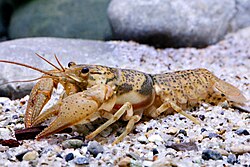
- Effective Date: December 27, 1973.
- Primary Goal: To prevent extinction and recover threatened and endangered species.
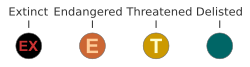
- Listing Categories: Species are categorized as either "endangered" (at risk of extinction throughout all or a significant portion of its range) or "threatened" (likely to become endangered in the foreseeable future).
- Legal Authority: Codified under 16 U.S.C. Chapter 35.
- Recovery Success: While rare, some species have been successfully delisted, such as the American alligator in 1987.
How Species are Listed and Protected
![Numbers of domestic species listed as endangered or threatened, as of February 2025. (16 vertebrate species have multiple populations listed.)[22]](/images/73/48/73485ff54788cd8f4acfa2c9c85f9a04d078bc6a646af79ab16fe708eac5f4fa.png)
The process of adding a species to the federal list is rigorous and based on scientific data. A species becomes eligible for listing if it meets one of five specific criteria:
- The present or threatened destruction, modification, or curtailment of its habitat or range.
- Overutilization for commercial, recreational, scientific, or educational purposes.
- Disease or predation.
- The inadequacy of existing regulatory mechanisms.
- Other natural or manmade factors affecting its survival.
![International and domestic plants and animals protected under the Endangered Species Act as of 2020.[2]](/images/a0/09/a009eb7257ab052a709864ca5eae54fa573cb763ecf35b05883338ce0cf3cb63.jpg)
Listing Status and Categories
Beyond the primary categories of endangered and threatened, the USFWS uses a "candidate" (C) status for species currently under consideration for official listing. Once listed, the agency may designate critical habitat—specific geographic areas containing physical or biological features essential to the conservation of the species.
The Path to Recovery
Listing a species is only the first step. The ESA requires the creation of recovery plans, which serve as roadmaps for returning a species to a healthy population level. These plans must include specific management actions and objective, measurable criteria for downlisting (moving a species from endangered to threatened) or delisting (removing it from the list entirely).
![3-part framework for "Recovery Planning and Implementation" (USF&WS, April 2019)[209]](/images/e2/e4/e2e4cb4c64ce7ba91791aed8bd882daef960723ed7e65523ebabd6d5acfc5f8d.png)
Successes and Challenges in Delisting
Delisting occurs when a species has fully recovered, is determined to be extinct, or new information proves it does not meet the definition of an endangered species. Notable plant recoveries include Eggert's sunflower, Robbins' cinquefoil, and the Tennessee purple coneflower.
![American alligator, delisted 1987[178]](/images/75/0b/750b090dbc1d56fe1cc6f145e38c19a327426d14059109838d77131c3040825b.jpg)
Interagency Cooperation and Permitting
![The West Indian Manatee was downlisted to threatened in 2017.[59]](/images/b7/32/b732751a6074d8a1d973a96ed9e41254cf1426b9a8a4ca0e42ad0ab97b53ae61.jpg)
Section 7 of the Act mandates that federal agencies ensure their actions do not jeopardize the continued existence of any listed species or adversely modify critical habitats. This often involves a Biological Opinion, which determines if a proposed project will cause jeopardy.
To balance conservation with economic development, the ESA provides several permitting options:
- Habitat Conservation Plans (HCP): Agreements that allow for "incidental take" (unintentional harm) of a species if the applicant implements measures to minimize and mitigate the impact.
- Safe Harbor Agreements: Incentives for private landowners to attract endangered species to their land without facing additional restrictions.
- Candidate Conservation Agreements With Assurances: Proactive measures taken before a species is officially listed.
![Conservation plans approved by the U.S. Fish and Wildlife Service are used to advise other governmental agencies with lands or permitting authorities.[132]](/images/42/a4/42a4be320c2523698e37bd3e90df9feb616fb3ca82d557e6cef9ae707fc8a6c2.png)
Controversies and Legal Challenges
![Two populations of California tiger salamander (Ambystoma californiense) were downlisted from endangered to threatened in 2004.[64]](/images/5a/af/5aafe2d12330a88c496b4cf574eeff1ba6a967374ebdc8360a883ee2aec4ab7f.jpg)
The ESA has been the subject of numerous Supreme Court cases, such as Tennessee Valley Authority v. Hill (1978), which affirmed the Act's priority of species preservation over economic interests. However, the Act remains polarizing due to its impact on land development and the complexity of the required documentation.
Critics often point to the slow pace of recovery and the potential for "perverse incentives" where land development is hindered. Conversely, proponents argue that the biocentric focus is essential for preventing irreversible biodiversity loss.
![The Congressional Research Service lists and links a number of its endangered species reports.[116]](/images/90/21/902160cadeb856ab8adacd1f3efe6d4f360e44e353083f6fdb717d6662edd228.png)
ESA Summary Table
![Sample of linked documents available on the "Species with Recovery Plans" page of the Interior Department ECOS website.[66]](/images/a7/28/a728a2949c664a01b19aef53b30a81ca253f89dfd57f9da957eb467b41881469.png)
| Feature | Description | Legal/Administrative Basis |
|---|---|---|
| Listing Criteria | Habitat loss, overutilization, disease, inadequate regulation, or other factors. | Section 4(a)(1) |
| Recovery Plans | Measurable goals and management actions for species restoration. | Section 4 |
| Interagency Consultation | Federal agencies must avoid "jeopardy" to listed species. | Section 7 |
| Permitting | HCPs and Safe Harbor Agreements to facilitate land use. | Section 10 |
| Delisting | Removal from list due to recovery, extinction, or reclassification. | Section 4(b)(2) |
Frequently Asked Questions
![Six animals and one plant depend on healthy underground waters of the Edwards Aquifer of central Texas.[75]](/images/0b/ab/0bab8f06971704863fef2b3c9c2c09a85d50856b2a886dbb3a6459a265cc2ad6.png)
![The U.S. Fish and Wildlife Service provides online lists[81] that link to a range of reports it depends on for implementing the Endangered Species Act of 1973.](/images/9d/35/9d35c8382f711c499dca304344027dd2eba8af6d67948568066146a85b9256ee.jpg)
![The American variety of Hart's-tongue Fern was listed as "threatened" in 1989.[89]](/images/28/13/28130a8bf3256488d938c99599041a2f57fc46933b7328606a8d42e2d96fe5da.png)
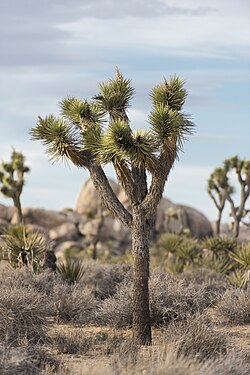
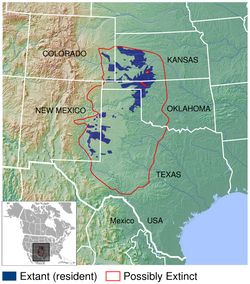
![A "species status assessment" was completed 11 years after the Western spadefoot toad was among 53 amphibians and reptiles petitioned for listing.[121]](/images/ba/c0/bac057ce0778634d69088c8855b28050194dc77c799fe6a045311181cffd62c5.png)
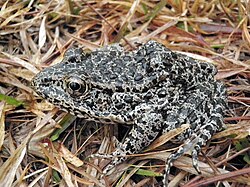
![Linked document types of the U.S. Fish and Wildlife Service in making and supporting its listing decisions pursuant to the Endangered Species Act of 1973.[130]](/images/cf/0b/cf0b96213bcfe743c61f74b55461512965ba4c1a002a7ee46bc240991389a971.png)
![The ECOS system provides online access to all species recovery plans and "implementation progress" reports where available.[66]](/images/c5/35/c535abfa0b83a0747e2546d8cc3e658498c7c8b8eabe9e0890a38febe87a31d1.png)
![Coastal California gnatcatcher[137][138]](/images/8c/9c/8c9cdfb5351c10fb996d1d9f0744f92c5f95827b9fd31e23cd0d47bb3eeab4fc.jpg)
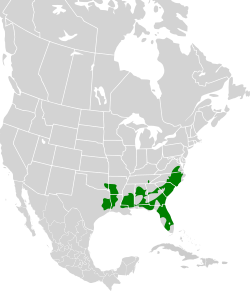
![Courtship display of a male greater sage-grouse.[149]](/images/cd/a3/cda301dbd9e9d27d8eaa3dc19240b8347a17ada2b4c57b8c9ca3b804a3bf7f41.jpg)
![Tiehm's buckwheat in Nevada.[167]](/images/c6/e2/c6e213850d8896b3f144b1cfa1055ea721d8b99fd3782e64f8718c8d469cf4dd.jpg)
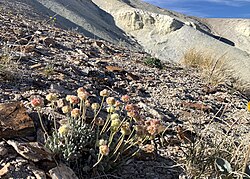
![Approval for the mine, 2024[173]](/images/03/f7/03f7d6f7a7a6144b425b979180910b5be4799cccc2ea87ba2919dcce108fe5fb.png)
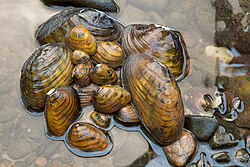
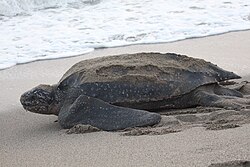
![As of 2026, the Hawaiian monk seal is still listed as endangered under the ESA.[197]](/images/b5/e1/b5e1e61e73e4f851fd79a33fe10a249438f1ca0cfc029802de6aede7f4748309.jpg)
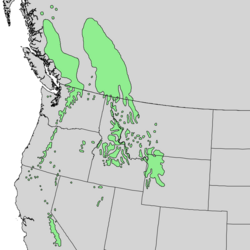
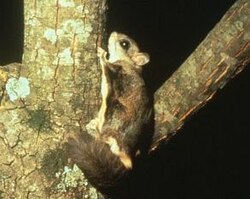
![The Northern flying squirrel entails 25 subspecies in North America.[199]](/images/a7/80/a78042f9bd9cf323f05d99ed8377a10f102d4824d589b58aaa72bda7ad610aed.jpg)
!["Species Status Assessment Framework" of the U.S. Fish & Wildlife Service[210]](/images/aa/35/aa353fa3dfca3618083ea18ab02f063694bac6dff6e7197892e58ff5fa7d49dd.jpg)
![Sample of federal grants in 2024 for endangered species habitat support[256]](/images/39/b5/39b5a0b27ac520b0133de187ac83b29cf1e82e6fce73fc72fd47fe489140a926.jpg)
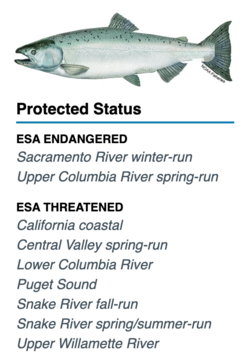
![Whooping Crane experimental population authorized in 2001.[276]](/images/fc/5f/fc5f95891a0d156fa88d5569dcb319d648e4a0b5ad52910d18fde09c4c6150f5.png)
![The seeds of Relict trillium are dispersed by ants, hindering its ability to track climate change.[277]](/images/72/01/72013e0397e27ecc6a385a7226b055b932ad1ba43d2d6cdca9c67ce74e393695.jpg)
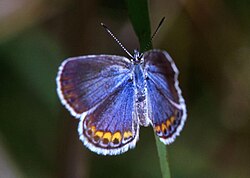
![Torreya Guardians Video #38[286]](/images/d9/dd/d9ddf3cd339d4a18077c29af83f316e1bd8044e82c51776de7d05c129a699016.jpg)
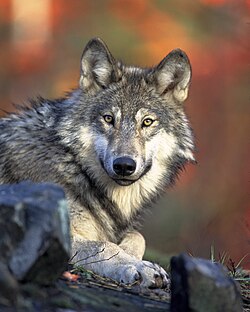
!["Species Status Assessment" for the Gray wolf in 2023.[299]](/images/60/8b/608b98934c2e004c7c1fe1464b919fb388a2303f53003adead79ca84ee29853e.png)
![Grizzly bear management in 6 populations.[304]](/images/cf/84/cf84e91d355a80e8119f058195dac86bcf24f889b959f2ebdb4c9e70b16e8598.png)
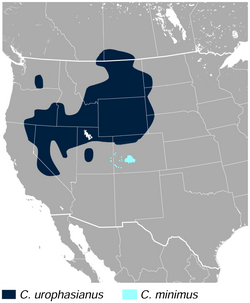
![Expenditures report by U.S. Fish and Wildlife Service, fiscal year 2020[335]](/images/07/b3/07b36920a65756d1557bb5ec1b4d5ab43fef54e37dccc9637a5bb3b234dc69a6.png)
![American burying beetle "species status assessment" was published in 2019.[336]](/images/b6/75/b675a7182cda1ee54d0f8991f0fb3cd56839208c0957eeff581005d42aaa3f92.png)
!["U.S. Fish and Wildlife Service: FY2025 Appropriations" (requested BLUE; enacted ORANGE), Congressional Research Service report.[342]](/images/aa/b0/aab0f6d14417c571022186b0e20098a387b02a34a32c47335c71c684e734bd99.png)
![The "species status assessment" for the wolverine entails 96 pages.[372]](/images/b6/ae/b6ae7a2ecdaaebddc027e547d42a8c709101c58fd065750db291401ccab408a3.jpg)
!["Species Status Assessment Framework" U.S. Fish & Wildlife Service[210]](/images/90/df/90dff958b93a2e2e7ebcf7fed9cae497bbe7d3efd6d83bbdd42d157b7239ee50.jpg)
What is the difference between an endangered and a threatened species?
An endangered species is in danger of extinction throughout all or a significant portion of its range. A threatened species is likely to become endangered within the foreseeable future.
Can a species be removed from the ESA list?
Yes. A species can be delisted if it has recovered, if it is declared extinct, or if new scientific evidence shows it no longer meets the criteria for being endangered or threatened.
What is "critical habitat"?
Critical habitat refers to specific geographic areas that contain the physical or biological features essential to the conservation of a listed species.
How do private landowners benefit from the ESA?
Through tools like Safe Harbor Agreements, landowners are encouraged to implement conservation practices on their property without the fear of facing additional regulatory restrictions if the population of a protected species increases.
Who manages the Endangered Species Act?
The Act is primarily managed by the U.S. Fish and Wildlife Service (for terrestrial and freshwater species) and NOAA Fisheries (for marine species).