Embolism: Types, Classifications, and Clinical Risks
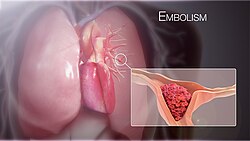
An embolism occurs when an embolus—a detached mass, such as a blood clot, that travels through the bloodstream—becomes lodged in a blood vessel, obstructing blood flow. This blockage can lead to severe complications depending on where the embolus originates and where it eventually settles in the body.
Key Facts
- Embolisms are primarily classified as arterial or venous based on where they enter the circulation.
- Arterial embolisms are a major cause of infarction, which is tissue death resulting from a lack of blood supply.
- Pulmonary embolism is generally classified as venous because the clot typically forms in the veins, though it lodges in the pulmonary artery.
- Paradoxical embolisms occur when a venous clot crosses into the arterial system, usually via a heart defect.
- The most common sites for thrombi (stationary clots) are the deep veins of the calf, while the femoral veins are common origins for pulmonary emboli.
Classification of Embolisms
Embolisms are categorized by the part of the circulatory system they enter. While some cases overlap, the distinction helps clinicians determine the source and the potential risk to the patient.
Arterial Embolism
Arterial embolisms occur when a mass travels through the systemic circulation and lodges in a distal part of the body. These are particularly dangerous when they affect the "end circulation"—areas like the heart and brain that lack redundant blood supplies.
A common and severe outcome of arterial embolism is a stroke, which occurs when an embolus from the heart or carotid artery causes ischemia (restricted blood flow) in the brain.
Many arterial emboli originate in the heart. Common causes include:
- Atrial Fibrillation (AF): An irregular heart rhythm that can lead to thrombus formation in the left atrium. Risk increases with age, hypertension, diabetes, previous stroke, or recent heart failure.
- Mitral Valve Disease: Specifically mitral valve stenosis (narrowing), which increases the risk of clots. Pure mitral regurgitation has a lower incidence.
- Myocardial Infarction: Thrombus formation occurs in approximately 30% of anterior-wall heart attacks, compared to 5% of inferior ones. Risk factors include a poor ejection fraction (below 35%) and the size of the infarct.
- Other Cardiac Factors: Left-ventricle aneurysms carry a 10% risk of emboli in the first three months post-infarction. Patients with mechanical or bioprosthetic valves also face increased risks.
- Endocarditis: This can result in a septic embolus.
Venous Embolism
In a normal circulatory system, an embolus forming in a systemic vein travels through the right side of the heart and lodges in the lungs. This is known as a pulmonary embolism, which blocks the main artery of the lung.
Pulmonary embolisms are often a complication of deep-vein thrombosis (DVT). While the deep veins of the calf are the most frequent sites for the initial thrombi, the femoral veins are the most common sites of origin for the emboli that reach the lungs.
Paradoxical Embolism
A paradoxical (or crossed) embolism occurs when an embolus moves from the venous system directly into the arterial system. This is only possible if there is a structural heart problem, such as a septal defect (a hole in the wall between the atria or ventricles).
The most frequent cause is a patent foramen ovale, a valve-like opening present in about 25% of adults. While usually closed due to higher pressure on the left side of the heart, a sudden change in pressure—such as coughing—can allow an embolus to cross over.
Direction of Movement
Emboli are further classified by the direction they travel relative to blood flow:
- Anterograde: The embolus moves in the same direction as the blood flow.
- Retrograde: The embolus moves against the direction of blood flow. This typically only occurs in low-pressure vessels (veins) or with particularly heavy emboli.
Summary of Embolism Types
| Type | Origin | Typical Destination | Primary Risk/Outcome |
|---|---|---|---|
| Arterial | Heart or Arteries | Systemic organs (e.g., Brain) | Infarction, Stroke |
| Venous | Systemic Veins | Lungs | Pulmonary Embolism |
| Paradoxical | Veins | Arterial System | Systemic Infarction (via heart defect) |
Frequently Asked Questions
What is the difference between a thrombus and an embolus?
A thrombus is a blood clot that remains stationary at its site of formation, whereas an embolus is a piece of a clot (or other material) that has broken loose and traveled through the bloodstream.
Why is a pulmonary embolism considered a venous embolism?
Although it blocks an artery in the lungs, it is classified as venous because the embolus typically originates in the systemic veins, such as those in the legs.
What is a patent foramen ovale?
It is a hole in the cardiac septum between the atria that failed to close after birth. It occurs in roughly 25% of adults and can allow a venous embolus to cross into the arterial system.
Which heart conditions increase the risk of arterial embolism?
Key risks include atrial fibrillation, mitral valve stenosis, prosthetic heart valves, and recent myocardial infarction (particularly anterior-wall infarctions).
What is the difference between anterograde and retrograde embolism?
Anterograde embolism follows the natural direction of blood flow, while retrograde embolism moves against the flow, which usually only happens in low-pressure veins.