Eduardo Sívori: The Pioneer of Argentine Realism
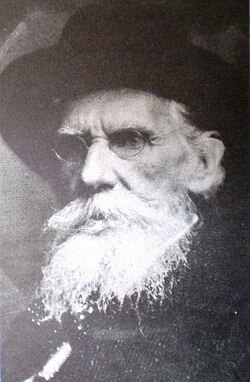
Eduardo Sívori stands as a monumental figure in the history of South American art, widely recognized as the first realist painter of Argentina. Realism, an art movement that focuses on depicting subjects as they appear in everyday life without idealization, found a powerful voice through Sívori's technical precision and keen observation of the human condition.
Born in Buenos Aires on October 13, 1847, to Genoese immigrants, Sívori's path to artistic mastery was not immediate. Although he possessed a natural inclination toward art during his childhood, family obligations initially prevented him from pursuing formal training. It was not until 1874, during a business trip to Paris with his father, that he began frequenting Parisian ateliers—private studios where artists study and work—sparking a lifelong passion for the craft.
Founding the Argentine Art Community
Upon returning to Buenos Aires, Sívori collaborated with a circle of local artists, including his brother Alejandro, José Aguyari, and Eduardo Schiaffino, the latter of whom would become a prominent symbolist painter. This collective effort culminated in 1875 with the founding of the Society for the Promotion of Fine Arts. This organization served as a critical milestone in the establishment of artisan guilds within Argentina, providing a structured environment for artistic growth and professionalization.
International Recognition and Masterworks
Sívori's rise to prominence was marked by several high-profile accolades. His work Dolce far niente ("Sweet Do Nothing") earned him a gold medal at the 1880 Continental Art Salon of Buenos Aires. Seeking further refinement, he returned to Paris in 1882 to apprentice under the prestigious Jean Paul Laurens.
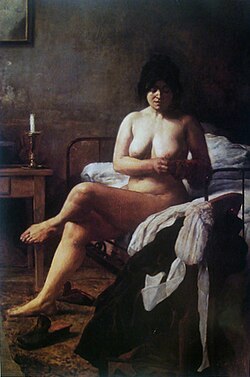
During this period, he produced one of his most enduring and celebrated works, El despertar de la criada ("Waking of the Servant"), which showcased his mastery of light and realist detail.
His reputation extended beyond Europe and South America. In 1884, Sívori traveled to the United States, where he was awarded a second gold medal at the St. Louis Exposition for Dolce far niente.
The "Portraiteur of the Pampas" and Later Years
In the latter part of his career, Sívori transitioned toward commercial art, specializing in landscapes and portraits. He became particularly famous for his depictions of the Argentine countryside, earning him the nickname the "portraiteur of the pampas." One of his most notable commissions from this era was a 1903 portrait of the local stockbreeder Godofredo Daireaux.
His professional influence peaked in 1905 when his guild was officially integrated into the National Academy of Fine Arts. Sívori's leadership within the community was further solidified when he was named president of the Academy in 1910.
Key Facts
- Full Name: Eduardo Sívori
- Lifespan: October 13, 1847 – June 5, 1918
- Primary Style: Realism
- Major Works: Dolce far niente and El despertar de la criada
- Key Achievement: President of the National Academy of Fine Arts (1910)
- Legacy: The Eduardo Sívori Museum, established in 1938
| Year | Event/Achievement | Location |
|---|---|---|
| 1874 | First study in Parisian ateliers | Paris, France |
| 1875 | Founded Society for the Promotion of Fine Arts | Buenos Aires, Argentina |
| 1880 | Gold Medal for Dolce far niente | Buenos Aires, Argentina |
| 1882 | Apprenticeship with Jean Paul Laurens | Paris, France |
| 1884 | Gold Medal at St. Louis Exposition | St. Louis, USA |
| 1910 | Named President of the National Academy of Fine Arts | Argentina |
Frequently Asked Questions
Who was Eduardo Sívori?
Eduardo Sívori was an Argentine artist born in 1847, widely regarded as the first realist painter in his country.
What are Sívori's most famous paintings?
His most recognized works include Dolce far niente ("Sweet Do Nothing") and El despertar de la criada ("Waking of the Servant").
Why was he called the "portraiteur of the pampas"?
He earned this title due to his renowned skill in creating bucolic landscapes of the Argentine pampas (fertile lowlands).
What role did he play in Argentine art institutions?
He co-founded the Society for the Promotion of Fine Arts in 1875 and later served as the president of the National Academy of Fine Arts starting in 1910.
How is Sívori honored today?
In 1938, the Eduardo Sívori Museum was established in his honor to preserve and showcase his artistic legacy.