Ecotourism: Balancing Nature Conservation and Sustainable Travel
Ecotourism is a specialized form of nature-oriented travel designed to contribute to the conservation of the natural environment. At its core, it is defined as being minimally impactful, focusing on environmental education and the protection of biodiversity. While some definitions emphasize the financial benefit to host communities, the term is often used broadly by various organizations, some of which may prioritize nature tourism over actual environmental benefit.
Since the 1980s, environmentalists have viewed ecotourism as a vital tool for conservation. By employing technology and practices that reduce human footprints, these programs aim to foster a deeper appreciation for natural habitats and the threats they face. Unlike geotourism, which focuses on geological attractions, ecotourism centers on the living components of the environment and the cultural integrity of local populations.
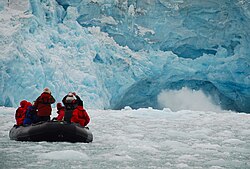
Key Facts
- Core Purpose: To provide conservation contributions and environmental education while minimizing ecological impact.
- Origins: The term "ecotour" first appeared in 1973, with "ecotourism" following in 1982.
- Global Goals: Closely linked to UN Sustainable Development Goals (SDGs), specifically SDG 8 (decent work), SDG 12 (responsible consumption), and SDG 14 (life below water).
- Certification: Over 50 ecolabels exist globally to verify sustainable practices, including EarthCheck and Ecotourism Australia.
- Controversy: Critics argue that some ecotourism is simply conventional tourism rebranded, and that long-distance travel relies on carbon-heavy air transportation.
The Benefits of Ecotourism
When implemented responsibly, ecotourism can provide significant ecological, economic, and socio-cultural advantages.
Ecological Advantages
Direct benefits include creating financial incentives to protect and rehabilitate modified environments and providing the necessary funds to manage protected areas. Additionally, ecotourists may actively assist in habitat maintenance. Indirectly, these programs foster a broader sense of environmentalism and shift the attitudes of local communities toward conservation.
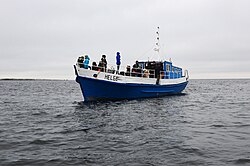
Economic and Socio-Cultural Gains
Ecotourism generates revenue through visitor spending and creates employment in peripheral regions. This often has a high multiplier effect, stimulating indirect revenue and job growth. Socially, it can enhance community stability through local participation and provide aesthetic and spiritual enjoyment for both visitors and residents.
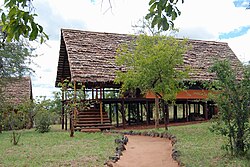
Risks and Criticisms
Despite its goals, ecotourism is not without risk. Many experts, including Ralf Buckley, suggest that few organizations achieve a net-positive impact on the environment overall.
Direct Environmental Impacts
Activities that seem harmless, such as nature hikes, can lead to soil compaction, erosion, and plant damage. For example, in Nepal's Annapurna Circuit, tourists have worn down marked trails and created destructive alternate routes. Wildlife viewing can also disrupt feeding and nesting sites. In Kenya, such disruptions have driven cheetahs off reserves, increasing inbreeding risks. Similarly, a study off Australia's Northwestern coast (1995–1997) showed that whale sharks became more distressed by divers over time, reducing their average interaction time from 19.3 to 9.5 minutes.
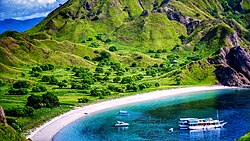
Social and Human Rights Concerns
A significant criticism is the rise of fortress conservation—a model where biodiversity is protected by isolating ecosystems from human disturbance. This has led to the forced eviction of Indigenous peoples to make way for conservation projects. According to the UN special rapporteur on the rights of Indigenous peoples, up to 250,000 people have been evicted from their homes since 1990.
Improving Sustainability and Regulation
To combat "greenwashing" and ensure genuine sustainability, the industry relies on regulation, accreditation, and education. The United Nations World Tourism Organization has promoted sustainable tourism as a key part of the Sustainable Development Goals.
Many regions now utilize ecolabels to certify their operations. Notable examples include the Asian Ecotourism Standard for Accommodations (AESA), Ecotourism Kenya, and the European Ecotourism Labelling Standard (EETLS). These certifications encourage small-scale growth, local control, and the preservation of at-risk ecosystems.
| Category | Potential Benefits | Potential Risks |
|---|---|---|
| Environment | Funding for protected areas; habitat rehabilitation. | Soil erosion; wildlife distress; carbon emissions from flights. |
| Economy | Job creation in remote regions; local revenue. | Economic dependence on volatile tourism trends. |
| Society | Cultural appreciation; community stability. | Forced eviction of Indigenous peoples (Fortress Conservation). |
Frequently Asked Questions
What is the difference between ecotourism and nature tourism?
While nature tourism is a broad term for any travel to natural areas, ecotourism specifically intends to contribute to conservation, provide environmental education, and minimize negative impacts on the ecosystem.
How does ecotourism differ from geotourism?
Ecotourism focuses on the interaction with living parts of the natural environment and biological diversity, whereas geotourism is specifically associated with the geological features of a destination.
What is fortress conservation?
Fortress conservation is a model based on the belief that biodiversity is best protected by creating isolated areas free from human disturbance, which has historically led to the forced removal of Indigenous inhabitants.
Are there official certifications for ecotourism?
Yes, there are over 50 ecolabels worldwide, such as EarthCheck, Ecotourism Australia, and the Korean Ecotourism Standard, which help verify that a provider follows sustainable practices.
Can ecotourism actually harm wildlife?
Yes. Wildlife viewing can scare animals, disrupt nesting, or cause distress. For instance, studies on whale sharks showed an increase in avoidance behaviors and distress signs as diver interactions increased.