Ear Anatomy, Function, and Clinical Health
The human ear is a complex organ of the auditory system, responsible for the critical tasks of hearing and maintaining balance. Far from being a simple receiver of sound, the ear is a sophisticated biological transducer that converts pressure waves in the air into electrical signals that the brain can interpret.
Beyond its physiological role, the ear possesses unique physical characteristics. Because the proportions of the ear are generally retained throughout a person's life and are individually distinct, they have been used for forensic identification since the 1950s.

Key Facts

- Audio Range: Humans typically hear frequencies between 20 Hz and 20 kHz.
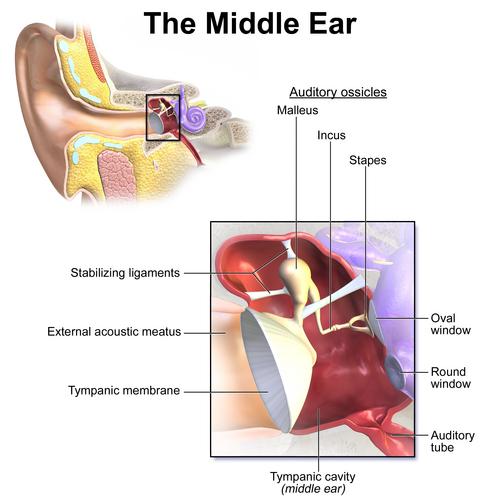
- Amplification: The ossicles in the middle ear amplify sound waves by approximately 15–20 times.
- Uniqueness: Ear shapes are nearly unique to each individual, making them useful for forensic identification.
- Development: Inner ear formation is regulated by homeobox genes (Pax, Msx, Otx) and the master gene Shh.
- Hearing Loss: Approximately 17% of US workers report exposure to hazardous workplace noise.
The Structure of the Ear

The ear is divided into three primary anatomical sections: the outer, middle, and inner ear. Each plays a specific role in the journey of a sound wave.
The Outer Ear
The outer ear acts as a funnel, collecting sound waves from the environment and directing them toward the ear canal. This structure is highly variable between individuals and contributes significantly to facial appearance.

The Middle Ear
The middle ear contains the ossicles—three tiny bones that transmit vibrations from the tympanic membrane (eardrum) to the inner ear. To allow the fluid in the inner ear to move, the round window acts as a pressure release valve; as the stapes pushes the secondary tympanic membrane, the round window membrane pushes out into the middle ear by a corresponding amount.
The Inner Ear
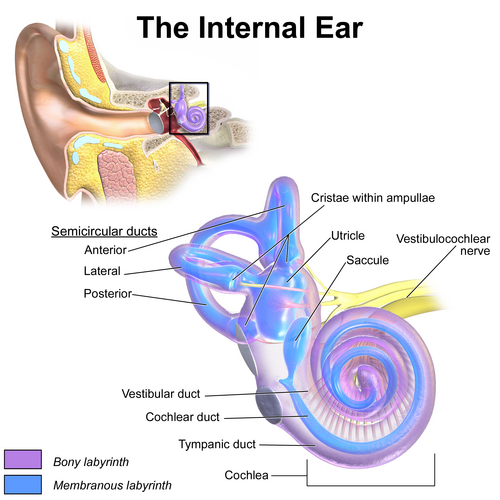
The inner ear is where the conversion of mechanical energy to nervous signals occurs. The cochlea (the spiral-shaped organ of hearing) transforms vibrations into electrical impulses, which are then transmitted to the brain via the vestibulocochlear nerve.
Hearing and Balance

The primary function of the ear is hearing. Sounds are categorized by their frequency: those below 20 Hz are termed infrasound, while those above 20 kHz are termed ultrasound. The human audio range sits comfortably between these two extremes.
In addition to hearing, the inner ear is essential for balance, allowing the body to maintain equilibrium and orientation in space.
Development and Growth
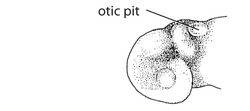
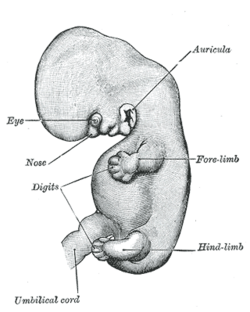
The development of the ear is a precise molecular process. In the embryo, the otic placode (a thickening of the surface ectoderm) appears around four weeks. By six weeks, the ear develops in the lower neck region and migrates upward as the mandible (lower jaw) develops.
This morphogenesis is regulated by the Shh (Sonic hedgehog) master gene, which is secreted by the notochord. Shh controls other genes such as Pax2, Otx1, Otx2, and Dlx5/Dlx6 to ensure the proper formation of the cochlea and other inner ear structures.
Clinical Significance and Ear Health
The ear is susceptible to various injuries and conditions that can impair quality of life.
Hearing Loss and Trauma
In industrialized societies, inner ear hair cells are primarily damaged by two mechanisms: noise trauma (exposure to elevated sound levels) and ototoxicity (exposure to certain drugs or substances). Data from the National Institute for Occupational Safety and Health indicates that 11% of people have hearing difficulties, with 24% of those cases attributed to occupational noise.
Other Conditions
- Tinnitus: The perception of noise or ringing in the ears.
- Hyperacusis: A condition where ordinary sounds are perceived as painful, often resulting in headaches or ear pain.
- Vertigo: A sensation of spinning or dizziness related to inner ear dysfunction.
Summary of Ear Characteristics
| Feature | Detail |
|---|---|
| Standard Audio Range | 20 Hz to 20 kHz |
| Ossicle Amplification | 15–20x |
| Master Developmental Gene | Shh (Sonic hedgehog) |
| Forensic Utility | High (unique proportions retained for life) |
| Common Damage Causes | Noise trauma and ototoxicity |
Frequently Asked Questions
What is the difference between infrasound and ultrasound?
Infrasound refers to sound frequencies below the human hearing threshold of 20 Hz, while ultrasound refers to frequencies above the upper limit of 20 kHz.
How does the middle ear amplify sound?
The middle ear uses the ossicles (tiny bones) to amplify sound waves by nearly 15 to 20 times before they reach the inner ear.
Why are ears used for forensic identification?
Ears are almost individually unique, and their proportions typically remain constant throughout a person's life, making them reliable for identification.
What is hyperacusis?
Hyperacusis is a hearing disorder where sounds that are typically tolerable are perceived as painfully loud, often causing pain in the ear or triggering headaches.
Which genes regulate the development of the inner ear?
The development is regulated by homeobox gene family members such as Pax, Msx, and Otx, all of which are controlled by the master gene Shh.