Dominica: The Nature Island of the Caribbean
The Commonwealth of Dominica is a vibrant island nation located in the heart of the Caribbean. Known for its rugged terrain and lush landscapes, it is often referred to as the "Nature Island." From its deep-rooted indigenous history to its modern status as a parliamentary republic, Dominica offers a unique blend of cultural heritage and natural beauty.
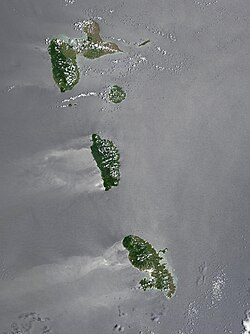
Situated between the islands of Guadeloupe to the north and Martinique to the south, Dominica is characterized by its volcanic origins and diverse ecosystems.
Key Facts
- Capital: Roseau
- Official Language: English (with Dominican Creole French and Kokoy spoken vernacularly)
- Government: Unitary parliamentary republic
- Currency: East Caribbean dollar (XCD)
- Population: Approximately 72,412 (2021 estimate)
- Total Area: 750 km²
- Independence: Gained full sovereignty from the United Kingdom on November 3, 1978
Geography and Natural Environment
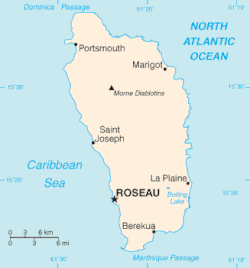
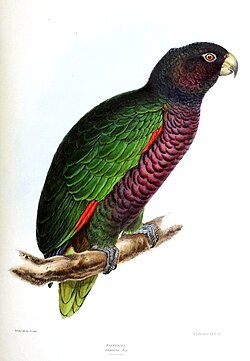
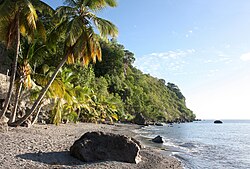
Dominica is a mountainous island with a total area of 750 square kilometers. Its geography is defined by volcanic activity, which has created a landscape of steep peaks and fertile valleys. The island's climate supports a wide array of fauna, including the Imperial Amazon, a rare parrot species native to the region.
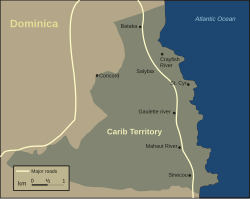
The coastline varies from the serene waters of Batalie Bay to the rugged shores of the east coast, where the Kalinago Territory is located.
History and Heritage
Dominica's history is marked by its resistance to colonization. In the pre-colonial period, the island was inhabited by the Kalinago people, who called the land Waitukubuli. Unlike many of its neighbors, Dominica's rugged interior allowed the indigenous population to maintain a presence long after European contact.
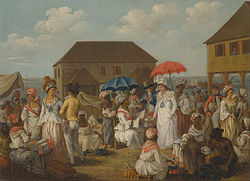
The island experienced periods of both French and British colonial rule. The 18th century saw the rise of linen markets and agricultural exports.
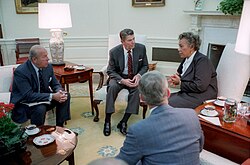
The path to independence began with the West Indies Associated States in 1967, culminating in full sovereignty and the adoption of a constitution on November 3, 1978. Throughout the late 20th century, the nation navigated political transitions, including the leadership of Prime Minister Eugenia Charles, who played a significant role in regional diplomacy during the 1980s.
Government and Administration
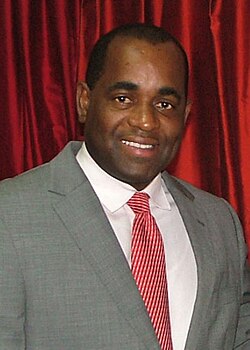
Dominica operates as a unitary parliamentary republic. The head of state is the President, currently Sylvanie Burton, while the head of government is the Prime Minister, Roosevelt Skerrit. The legislative branch is represented by the House of Assembly.
Administratively, the island is divided into 10 parishes, with Saint George Parish being the most populous, housing the capital city of Roseau.
Economy and Infrastructure
The Dominican economy is diverse, with significant contributions from tourism, financial services, and agriculture. In recent years, the government has focused on green energy and infrastructure development to increase resilience against natural disasters.
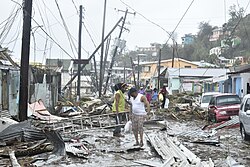
However, the nation faces significant challenges from extreme weather. In 2017, Hurricane Maria caused catastrophic damage to the capital, Roseau, and across the island, destroying a vast majority of buildings and necessitating a massive reconstruction effort.
To bolster its economy, Dominica has implemented a Citizenship by Investment (CBI) program, which serves as a primary source of foreign direct investment for housing and infrastructure projects, including the development of a long-haul international airport.
Demographics and Culture
The population of Dominica is predominantly Afro-Dominican (75%), followed by multiracial (19%) and Kalinago (4%) groups. The society is deeply religious, with Christianity practiced by over 94% of the population.
Cultural expression is rich and varied, blending African, European, and indigenous influences. This is evident in the vernacular languages, such as Dominican Creole French, and the island's unique cuisine and music.
Dominica has also produced notable figures in literature, science, and sports, including writer Jean Rhys and athlete Thea LaFond.
| Parish | Population |
|---|---|
| Saint George | 21,241 |
| Saint Paul | 9,786 |
| Saint Andrew | 9,471 |
| Saint Patrick | 7,622 |
| Saint John | 6,561 |
| Saint David | 6,043 |
| Saint Joseph | 5,637 |
| Saint Mark | 1,834 |
| Saint Luke | 1,668 |
| Saint Peter | 1,430 |
Frequently Asked Questions
What is the official language of Dominica?
The official language is English, although Dominican Creole French and Kokoy are widely spoken as vernacular languages.
Who are the Kalinago people?
The Kalinago are the indigenous people of Dominica. They maintain a designated territory on the island's east coast and are a vital part of the nation's cultural identity.
How did Hurricane Maria affect the island?
Hurricane Maria struck in 2017, causing devastating damage to infrastructure and housing, particularly in the capital of Roseau, where approximately 90% of buildings were reported as destroyed.
What is the currency used in Dominica?
Dominica uses the East Caribbean dollar (XCD).
When did Dominica become independent?
Dominica gained its full sovereignty and constitution from the United Kingdom on November 3, 1978.