The Domestic Dog: A Comprehensive Guide to Canis familiaris
The domestic dog, scientifically known as Canis familiaris, is one of the most diverse and successful species on Earth. From tiny companions to massive working animals, dogs have evolved alongside humans to occupy a unique niche in our society. Whether serving as loyal pets, skilled workers, or cultural icons, the bond between humans and dogs is deeply rooted in history and biology.
Key Facts
- Scientific Name: Canis familiaris
- Classification: Mammalia (Class), Carnivora (Order), Canidae (Family)
- Status: Domesticated
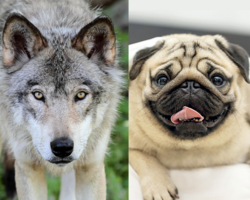
- Ancestry: Closely related to the gray wolf
- Primary Roles: Pets, workers, and companions
Scientific Classification and Taxonomy
Dogs belong to the kingdom Animalia and the phylum Chordata. As members of the order Carnivora and the family Canidae, they share biological traits with other canine species. The genus Canis includes several closely related animals, but the domestic dog is distinguished by its long history of domestication.
Taxonomists have historically used many different names for the dog, including C. domesticus and C. lupus familiaris. While many synonyms exist in scientific literature, the binomial name Canis familiaris remains the standard for the species.
Anatomy, Physiology, and Senses
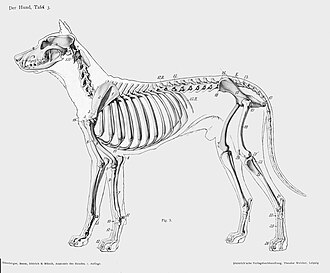
The physical makeup of a dog varies wildly depending on its breed, yet certain anatomical foundations remain consistent. Their skeletal structure supports a wide range of movement, from the sprinting capabilities of sight hounds to the sturdy builds of working breeds.

Senses and Perception
Dogs experience the world through highly specialized senses. Their vision is distinct from humans; while they may not see the same color spectrum, their ability to detect movement and light is finely tuned. Research into canine vision explores how they perceive the world differently than their human companions.

Beyond sight, dogs rely heavily on their sense of smell and hearing. Their physical traits, such as the shape of their ears and the structure of their tails, play significant roles in how they communicate and interact with their environment.

Physical Characteristics
Dogs exhibit a massive variety in coat types, sizes, and physical features. Some breeds possess specific traits like dewclaws (extra toes) or specific tail shapes. In some instances, humans have historically practiced tail docking or ear cropping for aesthetic or functional reasons, though these practices are subject to varying regulations and opinions.

Reproduction and Development
The reproductive cycle of a dog involves complex biological processes, including the estrous cycle. Following successful mating, a female dog (a bitch) undergoes a gestation period to carry her litter. Proper care during the nursing stage is vital for the survival and health of the newborn puppies.

Managing breeding is a significant aspect of dog ownership. Issues such as inbreeding depression—a reduction in biological fitness due to mating closely related individuals—are critical considerations for breeders aiming to maintain healthy populations.

Behavior and Intelligence
Dogs are renowned for their high level of intelligence and their ability to communicate with humans. They can recognize human facial expressions, such as smiles, and can interpret various emotional cues. This cognitive ability allows them to perform complex tasks and form deep emotional bonds.
Communication in dogs is not limited to vocalizations like barking; it also includes body language, such as tail wagging, which can signal various emotional states. Understanding these behaviors is essential for responsible pet ownership and preventing aggression.

Ecology and Human Interaction
As a domesticated species, dogs are found globally, though their presence is not universal. For example, certain isolated populations, such as the Aboriginal Tasmanians or the Andamanese peoples, had different interactions with canids due to geographic isolation. In some regions, unique species like the Fuegian dog once existed.
Roles in Human Society
The relationship between dogs and humans is multifaceted. Dogs serve in numerous capacities:
- Pets: Providing companionship and emotional support.
- Workers: Assisting in police, military, and search-and-rescue operations, as well as service roles like seizure-alert dogs.
- Sports and Shows: Participating in organized competitions and breed exhibitions.
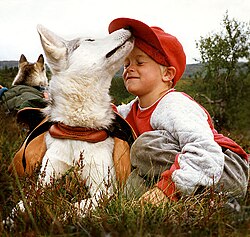
While dogs provide significant health benefits, including support for individuals with PTSD, they also present certain health risks, such as the potential for transmitting diseases like rabies. Responsible management and veterinary care are necessary to mitigate these risks.

Summary of Dog Classification
| Rank | Taxonomic Name |
|---|---|
| Kingdom | Animalia |
| Phylum | Chordata |
| Class | Mammalia |
| Order | Carnivora |
| Family | Canidae |
| Genus | Canis |
| Species | C. familiaris |

Frequently Asked Questions
What is the scientific name for a dog?
The scientific name for the domestic dog is Canis familiaris.
How do dogs communicate with humans?
Dogs communicate through a combination of vocalizations (such as barking), body language (such as tail wagging), and their ability to interpret human facial expressions and emotions.
Are dogs related to wolves?
Yes, dogs are closely related to the gray wolf and share a common evolutionary lineage.
What are some common roles dogs play for humans?
Dogs serve many roles, including domestic pets, working animals (such as police or service dogs), and participants in sports and shows.
Can dogs see colors like humans do?
Dogs have a different visual perception than humans; while they do not see the same color spectrum, they have specialized vision adapted for their environment.