Dixie Dean: The Legendary Goalscorer of Everton and England
In the long history of English football, few names command as much reverence as William Ralph "Dixie" Dean. A powerhouse centre forward—the primary attacking player positioned closest to the opposing goal—Dean redefined the art of scoring. He is most famous for a feat that has remained unmatched for nearly a century: scoring 60 league goals in a single top-flight season.
Inducted into the English Football Hall of Fame in 2002, Dean's career was defined by an extraordinary strike rate and a sporting nature that saw him never once booked or sent off, despite the physical nature of the game in the 1920s and 30s.
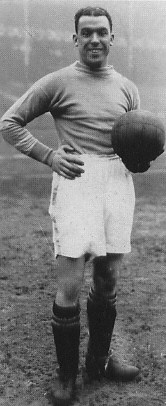
Key Facts
- Single-Season Record: Scored 60 league goals in the 1927/28 season.
- Everton Legend: Scored 383 goals in 433 appearances for the club.
- International Success: Scored 18 goals in 16 appearances for England.
- Hall of Fame: Inaugural inductee into the English Football Hall of Fame in 2002.
- Versatility: Won First Division titles, the Second Division title, and the FA Cup.
Early Career and the Move to Everton
Born in Birkenhead, England, on January 22, 1907, Dean began his senior career with Tranmere Rovers. Between 1923 and 1925, he made 30 league appearances, scoring 27 goals—all of which came in his second season. This prolific form caught the attention of major clubs, including Arsenal and Newcastle United.
In March 1925, at the age of 18, Dean signed for Everton for a fee of £3,000, which was a record for any Third Division or 18-year-old player at the time. His arrival at Goodison Park was the fulfillment of a childhood dream, as he had been taken to a match there by his father at age eight.
The Golden Era at Goodison Park
Dean's impact at Everton was immediate. In his first full season (1925–26), he scored 32 goals. His career faced a major scare in the summer of 1926 when a motorcycling accident in north Wales left him with a fractured skull and jaw. Despite medical uncertainty, Dean returned to the pitch in October 1926, scoring in his first game back against Leeds United.
The 1927–28 season cemented his place in history. Dean scored 60 league goals in 39 games, leading Everton to the First Division title. To this day, he remains the only player in English football to reach the 60-goal mark in a single league season.
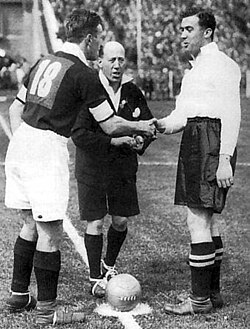
Dean's loyalty to Everton was evident when he stayed with the club following their relegation to the Second Division in 1930. He helped them secure the Second Division title in 1931 and the First Division title again in 1932. The sequence culminated in an FA Cup victory in 1933, where Dean scored in the final.
International Career and Later Years
Dean's prowess extended to the international stage. Making his debut for England in February 1927 against Wales, he earned 16 caps and scored 18 goals. He was a standout performer in the British Home Championship, notably scoring twice against Scotland in 1927.
As his time at Everton drew to a close, Dean had brief stints with Notts County and the Irish club Sligo Rovers. At Sligo, he became a local legend, scoring ten goals in seven games and reaching the FAI Cup final in 1939. He finished his professional career with Hurst (now Ashton United) in the 1939–40 season before the outbreak of World War II.
Life After Football and Legacy
Following his retirement, Dean lived a quiet life, running the Dublin Packet pub in Chester and working as a porter for Littlewoods football pools. He remained a beloved figure in the football community, described by Bill Shankly as belonging to the company of the "supremely great."
Dean passed away on March 1, 1980, at the age of 73. Fittingly, he suffered a fatal heart attack at Goodison Park while watching Everton play their rivals, Liverpool.
| Team/Country | Appearances | Goals | Major Honours |
|---|---|---|---|
| Tranmere Rovers | 30 | 27 | N/A |
| Everton | 433 (Total) | 383 (Total) | 1st Div (1928, 1932), 2nd Div (1931), FA Cup (1933) |
| Notts County | 9 | 3 | N/A |
| Sligo Rovers | 11 (Total) | 11 (Total) | FAI Cup Runner-up (1939) |
| Hurst | 2 | 1 | N/A |
| England | 16 | 18 | British Home Championship (1927, 1932) |
Frequently Asked Questions
How many goals did Dixie Dean score in his record season?
Dixie Dean scored 60 league goals during the 1927–28 season, a record for the most goals scored in a single top-flight English football season that still stands today.
Did Dixie Dean ever get a red card?
No. Despite the physical nature of the game and provocation from opponents, Dean was known as a sporting player and was never booked or sent off during his entire career.
What happened to Dean after he retired from football?
After retiring, he ran the Dublin Packet pub in Chester and worked as a porter at the Walton Hall Avenue offices of Littlewoods football pools.
Where is the Dixie Dean statue located?
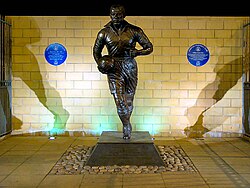
The statue, created by sculptor Tom Murphy and inscribed "Footballer, Gentleman, Evertonian," is located outside the Park End of Goodison Park.
How did Dixie Dean die?
Dixie Dean died of a heart attack on March 1, 1980, while attending a match between Everton and Liverpool at Goodison Park.