Diesel Multiple Units: Engineering and Global Applications of DMUs
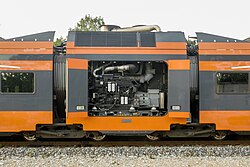
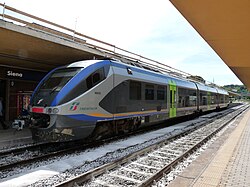
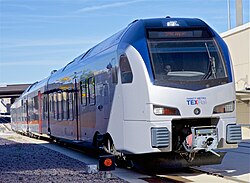
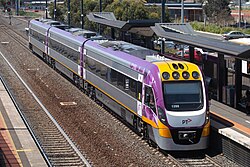
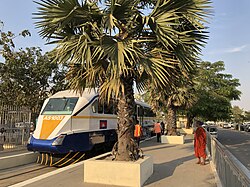
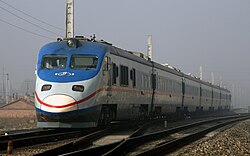
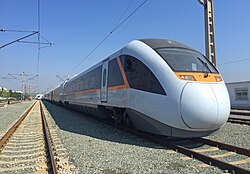
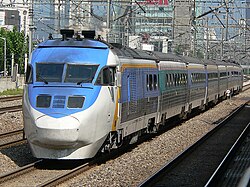
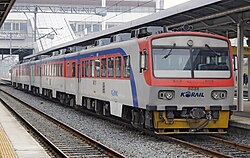
A Diesel Multiple Unit (DMU) is a specialized type of train where the propulsion is provided by on-board diesel engines integrated directly into the carriages. Unlike traditional trains that require a separate locomotive to pull a string of cars, a DMU incorporates its power source within one or more of its own passenger coaches.
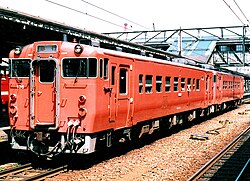
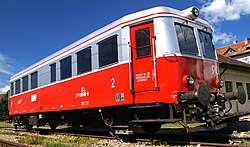
This design allows for greater operational flexibility. When multiple units are coupled together, their controls are linked, enabling a single driver to operate every engine in the consist from a cab at either end. This eliminates the need for time-consuming locomotive shunting when reversing direction. For smaller operations, single-unit diesel railcars are typically categorized as DMUs.
Key Facts
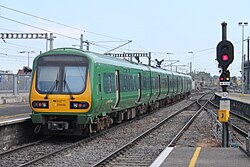
- Integrated Power: Engines are built into the carriages, removing the need for a separate locomotive.
- Bidirectional Control: Driving cabs at both ends simplify reversing and terminal operations.
- Versatility: Used globally for everything from rural branch lines to high-speed express services.
- Transmission Types: Power is delivered via mechanical, hydraulic, or electric systems.
- Cost Efficiency: Popularized post-WWII as a cheaper alternative to steam and full electrification.
Design and Transmission Systems
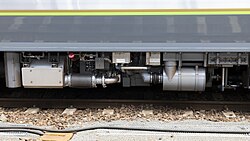
The primary distinction between different DMU models lies in how the diesel engine's power is transmitted to the wheels. These systems are generally divided into three categories:
Diesel-Mechanical
These units use a traditional gearbox and clutch system, similar to a heavy truck, to transfer power to the axles.
Diesel-Hydraulic
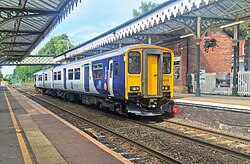
Power is transmitted through a torque converter and hydraulic fluid. This system is common in many European regional trains, such as the UK's Sprinter fleet.
Diesel-Electric (DEMU)
In a Diesel-Electric Multiple Unit (DEMU), the diesel engine drives an alternator or generator, which produces electricity to power traction motors mounted on the axles. This is often used for heavier or higher-performance trains.
Global Implementation and Regional Examples
Europe
Europe has a long history of DMU usage, particularly on non-electrified rural lines. Germany's SVT 877 Fliegender Hamburger set early speed records in the 1930s, while the VT 11.5 served as the face of the Trans Europ Express. Modern German services utilize the Alstom Coradia LINT and Siemens Desiro.
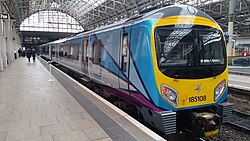
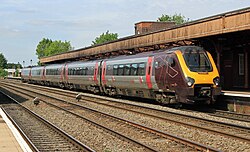
In the United Kingdom, the 1955 Modernisation Plan led to a massive rollout of first-generation DMUs to replace steam. This evolved into the iconic InterCity 125 (High Speed Train), which reached speeds of 125 mph (201 km/h). Today, the UK employs a variety of units including the Class 185 Desiro and the Class 220/221 Voyagers.
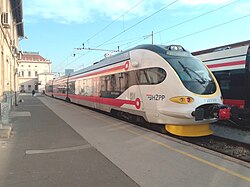
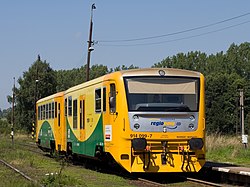
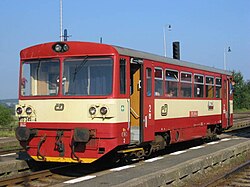
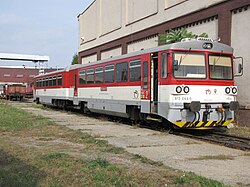
Other European nations utilize DMUs for regional connectivity: Croatia uses the 7023 series, the Czech Republic and Slovakia rely heavily on the Class 810 and 812, and Romania operates the Siemens Desiro (Săgeata Albastră).
North America
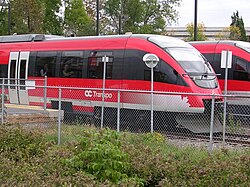
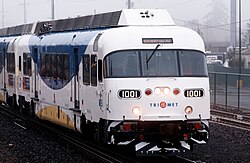
In the United States, DMUs must meet strict FRA (Federal Railroad Administration) compliance for safety. Examples include the Colorado Railcar DMUs used by TriMet for the WES Commuter Rail in Oregon. Canada utilizes Bombardier Talent low-floor DMUs for urban transit, such as the O-Train in Ottawa.
Asia and Australasia
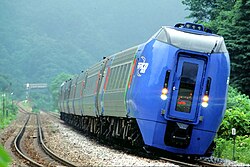
Japan was a pioneer in streamlined DMUs, introducing the Kiha 43000 in 1937. Modern Japanese units, like the tilting KiHa 283, are used for high-speed regional travel. In China, the NYJ1 represented the first hydraulic transmission DMU, while newer hybrid-electric models have been tested in Beijing and Hohhot.
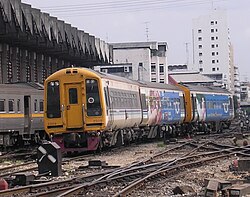
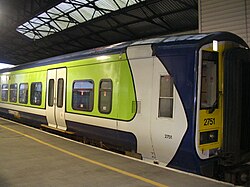
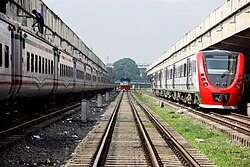
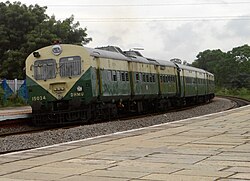
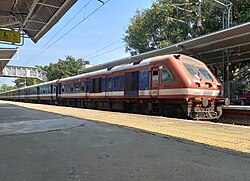
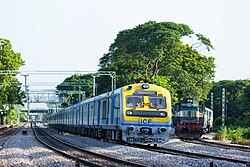
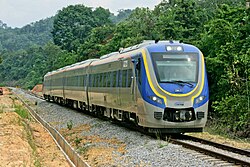
Other regional applications include the KTM Class 61 in Malaysia, various generations of DEMUs in India, and the ASR class in Thailand, which is based on the British Class 158 design.
Summary of Global DMU Operations
| Region | Notable Model/Class | Primary Use | Key Feature |
|---|---|---|---|
| United Kingdom | InterCity 125 (HST) | Express | 125 mph top speed |
| Germany | SVT 877 | Express | Early land speed records |
| USA | Colorado Railcar | Commuter | FRA Compliant |
| Japan | KiHa 283 | Regional | Tilting technology |
| Canada | Bombardier Talent | Urban | Low-floor access |
Frequently Asked Questions
What is the difference between a DMU and a locomotive-hauled train?
A locomotive-hauled train uses a separate engine (the locomotive) to pull unpowered carriages. A DMU has the engines built directly into the passenger carriages, allowing the train to be self-propelled.
What is a DEMU?
A DEMU is a Diesel-Electric Multiple Unit. Instead of using a mechanical or hydraulic transmission, the diesel engine generates electricity to power electric traction motors on the axles.
Why are DMUs used instead of electric trains?
DMUs are used on lines that are not electrified. Installing overhead wires or a third rail is expensive; DMUs provide the flexibility of multiple-unit operation without the need for costly electrical infrastructure.
Can a DMU be driven from both ends?
Yes. Most DMUs are designed with driving cabs at both ends of the train set, which allows the driver to change ends at a terminus without having to move the train or shunt a locomotive.
What are the main advantages of DMUs?
The main advantages include lower operational costs compared to steam, faster turnaround times at stations due to bidirectional cabs, and the ability to easily scale train length by coupling additional units.