Democratization: Drivers, Waves, and the Transition of Political Regimes
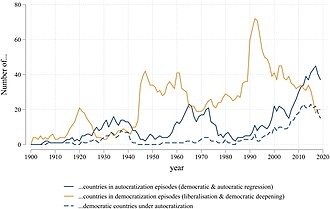
Democratization is the structural transition of a government from an authoritarian regime to a more democratic political system. This process involves substantive political changes that move a society toward democratic governance. Conversely, when a country moves away from democracy toward authoritarianism, the process is known as autocratization or democratic backsliding.
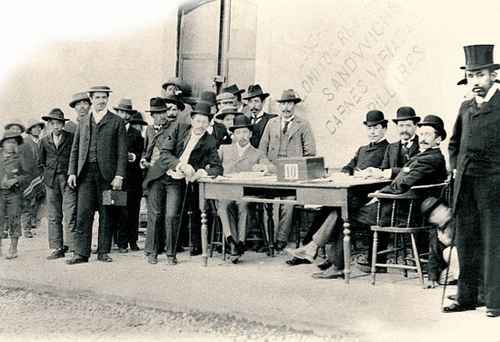
The path to democracy is rarely linear. It is influenced by a complex interplay of economic development, historical legacies, the strength of civil society, and international pressures. While some transitions are driven by top-down initiatives from political elites, others emerge from bottom-up grassroots movements.
Key Facts
- Definition: The transition from authoritarian rule to a democratic political regime.
- Opposite Process: Autocratization (democratic backsliding).
- Primary Drivers: Economic development, civil society, international influence, and elite negotiations.
- Historical Pattern: Democratization often occurs in "waves," followed by periods of de-democratization.
- Resource Impact: An abundance of natural resources, such as oil, can sometimes hinder democratic progress.
The Waves of Democratization
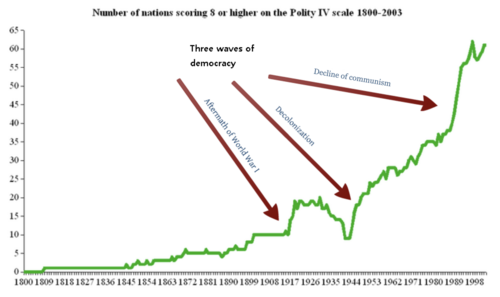
Political scientist Samuel P. Huntington identified a pattern of "waves" to describe the global spread of democracy. These waves represent periods where a significant number of regimes transitioned to democracy, often followed by a counter-wave of authoritarian reversal.
Chronology of Democratic Transitions
- First Wave (1828–1926): The initial expansion of suffrage and democratic institutions.
- First De-democratization (1922–1942): A period of democratic retreat, often linked to the rise of totalitarianism.
- Second Wave (1943–1962): Post-WWII expansion, including the establishment of democracies in Europe and Japan.
- Second De-democratization (1958–1975): A rise in military coups and authoritarian regimes, particularly in the developing world.
- Third Wave (1974–Present): A broad global movement starting in Southern Europe and spreading through Latin America, Asia, and Africa.
![Global trend report Bertelsmann Transformation Index 2022[5]](/images/2f/d5/2fd5d007cb381c0bcf8516c6f3d136d8df8830dca50b1dbe6efcd20645ddbdd0.jpg)
Causes and Factors of Democratization
The transition to democracy is rarely caused by a single factor. Instead, it is usually the result of several overlapping economic, cultural, and political drivers.
Economic and Political-Economic Factors
Modernization theory suggests that economic development creates the social conditions necessary for democracy. Industrialization is often viewed as a primary driver, as it alters the social structure and increases the demand for political representation.
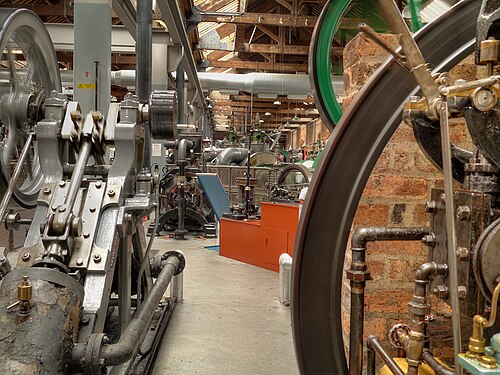
Other economic factors include:
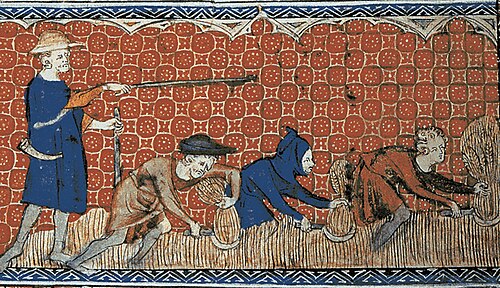
- Taxation: The need for rulers to raise taxes often leads to concessions and the granting of political rights to the populace.
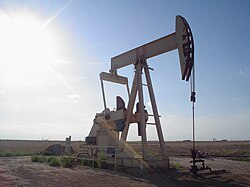
- Natural Resources: The "resource curse" suggests that countries heavily dependent on oil or minerals may struggle to democratize because the state does not rely on citizen taxation for revenue.
- Inequality: The level of wealth distribution and the alliances between different social classes can either accelerate or block democratic reform.
Cultural and Social Factors
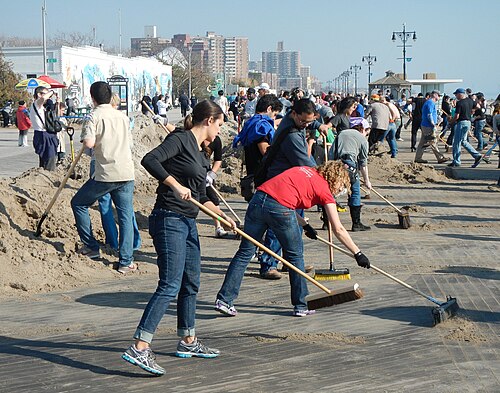
The role of civil society—the network of voluntary associations and organizations—is crucial. High levels of civic engagement and social capital (the networks of trust and cooperation within a community) are generally conducive to democratization.
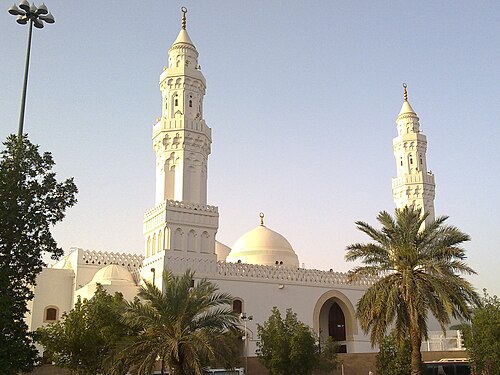
Additionally, education and cultural values play a role. While some theorists argue that specific religious values influence the process, others focus on the compatibility of various faiths, such as Islam, with democratic governance.
Political Agents and International Influence
Democratization can be triggered by the death or ouster of a dictator, or through strategic negotiations between political elites and opposition groups. In some cases, democratization is "elite-driven," where those in power initiate reforms to maintain stability.
International factors also exert significant pressure. These include:
- War and Security: The aftermath of major conflicts can lead to the imposition or organic growth of democratic systems.
- International Institutions: Organizations like NATO or the EU can promote democratic standards through membership requirements.
- Foreign Intervention: Direct influence or promotion of democracy by foreign powers.

Historical Examples of Transition
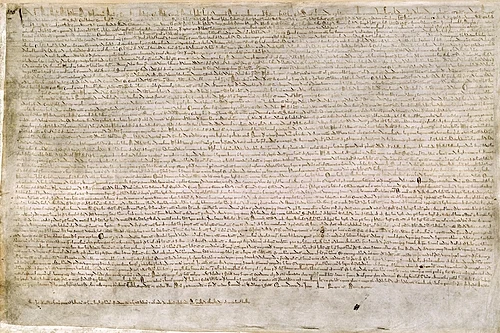
Democratization manifests differently across various nations and eras. For example, the Magna Carta is often cited as a foundational cause of democracy in England.
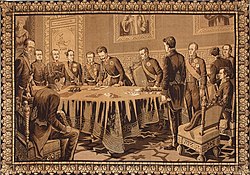
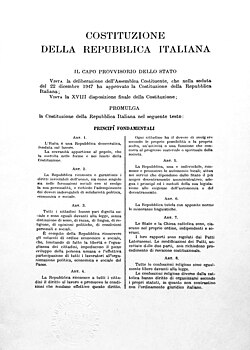
In the 19th and 20th centuries, transitions were often marked by constitutional changes, such as the Albertine Statute in Sardinia or the 1948 Constitution of the Italian Republic.
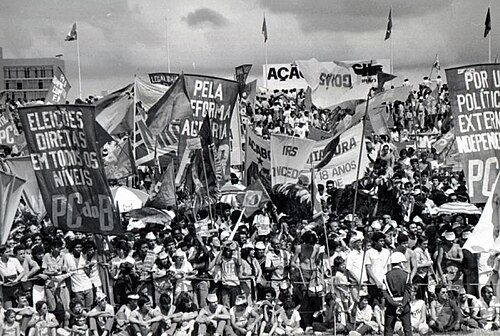
Mass movements have also been pivotal, such as the Diretas Já demonstrations in Brazil, which pushed for open elections.
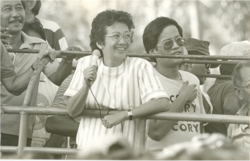
In the Philippines, the 1986 snap elections and the campaign of Corazon Aquino served as a catalyst for returning the nation to democratic rule.
Summary of Democratization Dynamics
| Category | Promoting Factors | Hindering Factors |
|---|---|---|
| Economic | Industrialization, Economic Development | Resource Dependence (e.g., Oil) |
| Social | Strong Civil Society, Education | Extreme Inequality |
| Political | Elite-Opposition Negotiations | Strong Autocratic Control |
| International | International Institutions, Diplomacy | Authoritarian Foreign Influence |
Frequently Asked Questions
What is the difference between democratization and autocratization?
Democratization is the process of a political system becoming more democratic, while autocratization (or democratic backsliding) is the process of a system becoming more authoritarian.
What are the "waves of democracy"?
The waves of democracy are historical periods identified by Samuel P. Huntington where many countries transitioned to democratic regimes simultaneously, separated by periods of democratic retreat.
How does the "resource curse" affect democracy?
The resource curse refers to the tendency for countries with an abundance of natural resources, like oil, to have less democratic regimes because the government can fund itself without needing to tax or represent its citizens.
Can democratization be driven from the top down?
Yes. While many think of democracy as a grassroots movement, it can also be elite-driven, where political leaders initiate reforms to ensure long-term stability or respond to internal pressures.
Does economic wealth guarantee democracy?
Not necessarily. While modernization theory suggests economic development creates conditions favorable to democracy, wealth alone does not guarantee it; other factors like civil society and political institutions are also required.