David Ben-Gurion: The Founding Father of Israel
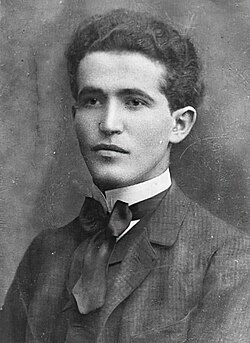
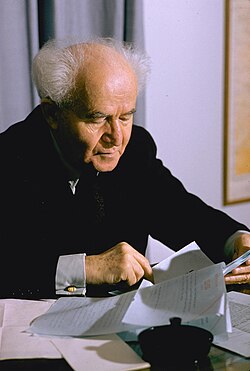
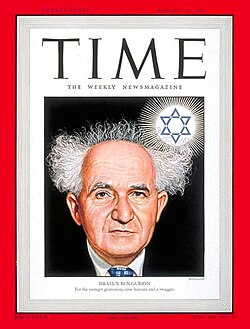
David Ben-Gurion (1886–1973) stands as the primary national founder and the first prime minister of the State of Israel. A towering figure in 20th-century history, he transitioned from a young activist in Poland to the de facto leader of the Jewish community in Mandatory Palestine, eventually steering the movement toward the establishment of an independent Jewish state.
His journey was marked by a lifelong commitment to Zionism—the movement for the self-determination of the Jewish people in their ancestral homeland. From his early days in the Poalei Zion movement to his leadership of the Jewish Agency, Ben-Gurion's strategic vision and political willpower were instrumental in the creation and early survival of Israel.
Key Facts
- Born: October 16, 1886, in Płońsk, Congress Poland.
- Role: First Prime Minister of Israel and primary national founder.
- Leadership: Head of the Jewish Agency from 1935.
- Political Affiliations: Poale Zion, Ahdut HaAvoda, Mapai, and Rafi.
- Military Contribution: Served in the Jewish Legion during World War I.
- Death: December 1, 1973, in Ramat Gan, Israel.
Early Life and Path to Leadership
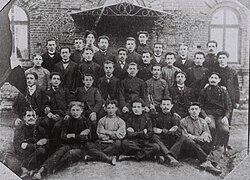
Born David Grün in Płońsk, then part of the Russian Empire's Congress Poland, Ben-Gurion's interest in Zionist ideals developed early. In 1906, he immigrated to the Palestine region of the Ottoman Empire, later adopting the name Ben-Gurion in 1909. His early years in the region were spent in labor and community organizing, including work at the Rishon Lezion winery.
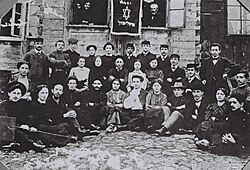
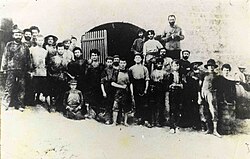
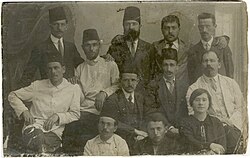
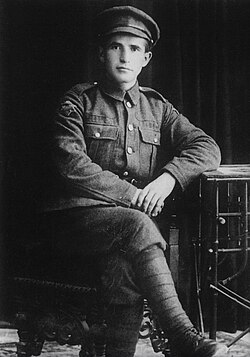
His trajectory was not linear; he spent time in Constantinople (Istanbul) and later served in the British Army during World War I as part of the Jewish Legion. These experiences broadened his geopolitical understanding and strengthened his resolve to establish a sovereign Jewish state.
Family and Personal Life
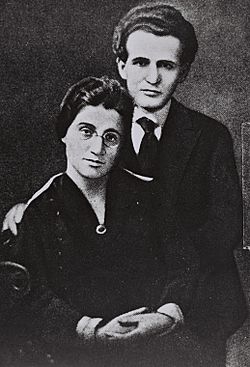
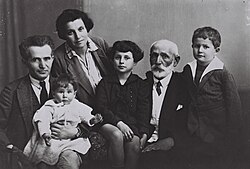
In 1917, Ben-Gurion married Paula Munweis. Together they had three children. Despite the pressures of leadership, he maintained a deep connection to his family, though his political duties often dominated his life.
The Road to Statehood (1919–1948)
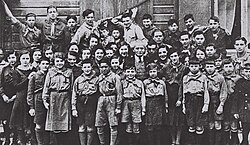
Between 1919 and 1948, Ben-Gurion rose through the ranks of the labor Zionist movement. He became a central figure in the Histadrut (the General Federation of Laborers in Israel) and assumed leadership of the Jewish Agency in 1935. In this capacity, he became the de facto leader of the Jewish population in British-ruled Mandatory Palestine.
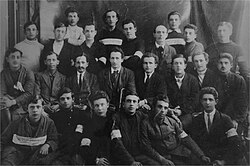
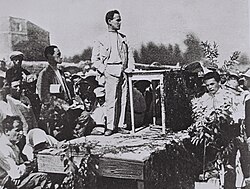
By 1946, he was the executive head of the World Zionist Organization. His leadership during this period was characterized by a pragmatic yet firm approach to British rule and a strategic focus on building the infrastructure necessary for a functioning state.
Founding the State and Prime Ministership
On May 14, 1948, David Ben-Gurion proclaimed the independence of the State of Israel. He served as the first Prime Minister, leading the nation through the existential crisis of the 1948 Arab–Israeli War. During this conflict, he played a pivotal role in organizing the Israel Defense Forces (IDF) and managing the state's early security challenges.
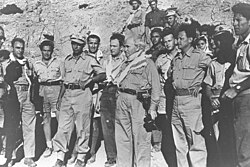
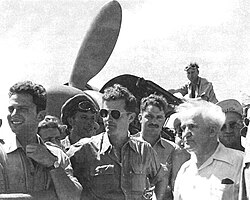
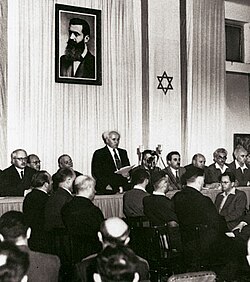
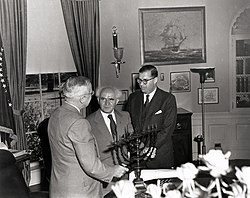
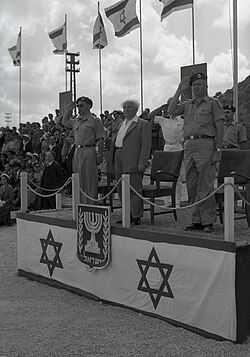
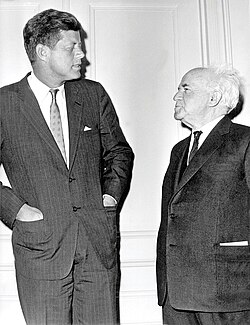
Ben-Gurion's tenure as Prime Minister was split into two main periods: from 1948 to 1953, and again from 1955 to 1963. His leadership focused on absorbing massive waves of Jewish immigrants, establishing a democratic government, and securing international recognition, including a significant relationship with U.S. President Harry S. Truman.
Political Evolution and Later Years
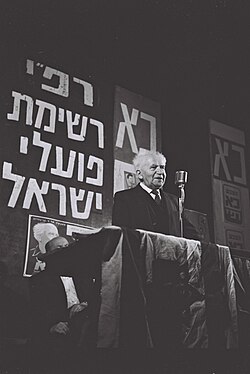
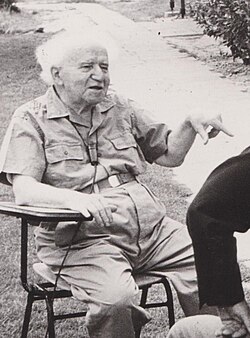
In his later political career, Ben-Gurion faced internal party frictions, leading him to form the Rafi party in 1965. He eventually retired from politics in 1970. He spent his final years in the modest surroundings of kibbutz Sde Boker in the Negev desert, where he dedicated himself to writing an 11-volume history of Israel's early years.
Summary of Political Career
| Office | Tenure | Key Context |
|---|---|---|
| Prime Minister | 1948–1953; 1955–1963 | Founding and early stabilization of Israel |
| Minister of Defense | 1948–1954; 1955–1963 | Establishment and leadership of the IDF |
| Chairman of Provisional State Council | May 14–16, 1948 | Immediate post-independence transition |
| Head of Jewish Agency | 1935–1948 | De facto leadership in Mandatory Palestine |
Frequently Asked Questions
What was David Ben-Gurion's original name?
He was born David Grün in Płońsk, Poland, and later adopted the name Ben-Gurion in 1909.
What role did he play in the 1948 Arab-Israeli War?
As Prime Minister and Minister of Defense, he was the primary military and political leader, overseeing the organization of the IDF and the defense of the newly declared state.
Which political parties was he associated with?
Throughout his life, he was affiliated with Poale Zion, Ahdut HaAvoda, Mapai, Rafi, and eventually the National List.
Where did David Ben-Gurion spend his final years?
He retired to a modest home in kibbutz Sde Boker, where he focused on writing a comprehensive history of Israel's early years.
What is the significance of the "Ben-Gurion letter" of 1937?
The letter to his son Amos is a subject of scholarly debate regarding Ben-Gurion's views on the Peel Commission and his intentions regarding the Palestinian Arab population.