Damascus: A Journey Through One of the World's Oldest Cities
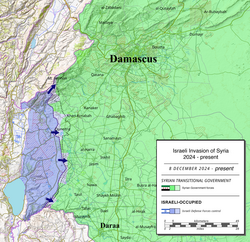
Known affectionately as the City of Jasmine, Damascus stands as a testament to human civilization, with settlements dating back to approximately 3000 BC. As the capital of Syria, this metropolis blends millennia of history with the complexities of modern urban life. From its role as the heart of the Umayyad Caliphate to its designation as a UNESCO World Heritage Site, Damascus remains one of the most culturally significant cities in the Near East.
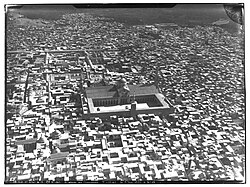
![Annotated view of Damascus and surroundings from space.[44]](/images/d1/8a/d18a3540deb3301ff430af58d06d7b12d615ea63d7b5453216ddcce52f897ca3.jpg)
Key Facts
- Status: Capital of Syria and a UNESCO World Heritage Site (designated 1979).
- Population: Estimated metro population of 2,799,960 (2024).
- Geography: Located at an elevation of 680 meters, with a metropolitan area of 105 km².
- Climate: Classified as BWk (cold desert climate), characterized by hot summers and cool winters.
- Religious Diversity: Predominantly Sunni Islam (78%), with significant Christian (12%) and Shia Islam (10%) communities.
The Layers of History
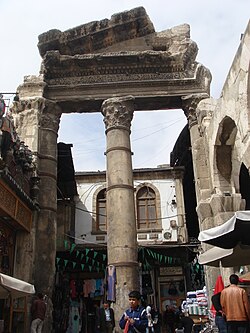
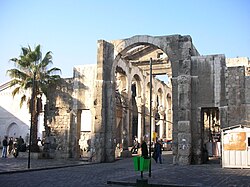
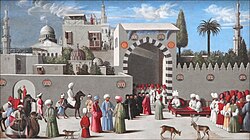
The history of Damascus is a tapestry of successive empires. Following early settlements in the Late Bronze and Iron Ages, the city flourished under the Aramaeans, Greeks, and Romans. During the Roman period, the city's layout was established, including the famous Straight Street, which still leads toward the Bab Sharqi Gate today.
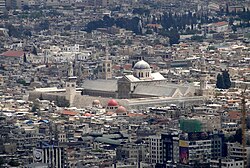
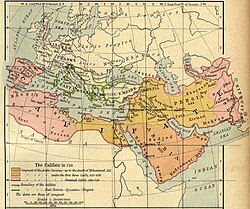
The city reached a pinnacle of political power during the Umayyad period (661–750 AD), serving as the capital of a caliphate that stretched from Western Europe to Southern Asia. This era left an indelible mark on the city's architecture, most notably through the construction of the Umayyad Mosque in 715 AD.
Subsequent centuries saw the influence of the Abbasids, Seljuqs, Ayyubids, and Mamluks, each adding to the city's fortifications and educational institutions. The Ottoman period further integrated Damascus into a vast imperial network before the modern era brought the challenges and transformations of the 20th century, including World War I and the Syrian Civil War.
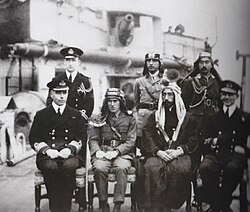
Architectural and Cultural Landmarks
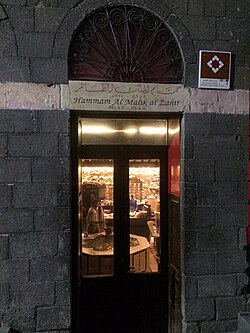
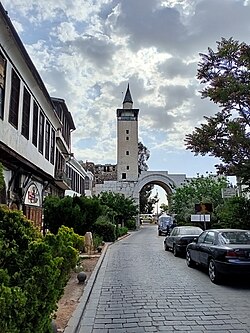
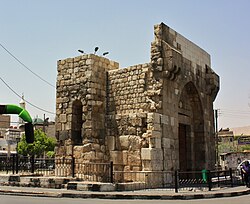
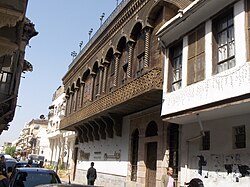
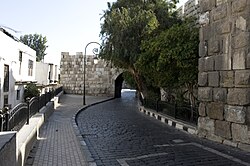
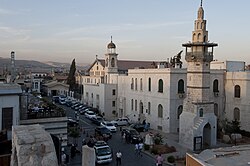
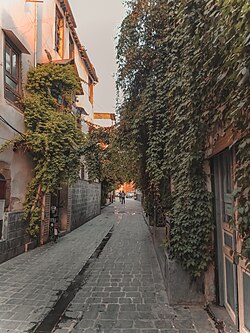
The Ancient City of Damascus is a living museum. Its walls are punctuated by historic gates, such as Bab Tuma, which leads to the Christian quarter, and Bab Sharqi, the only gate that retains its original Roman plan.
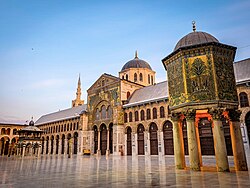
Religious and Educational Centers
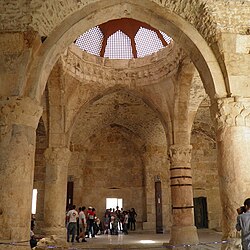
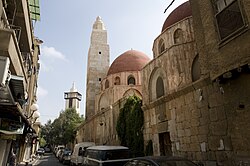
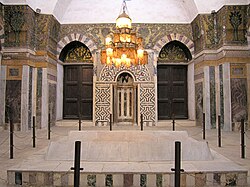
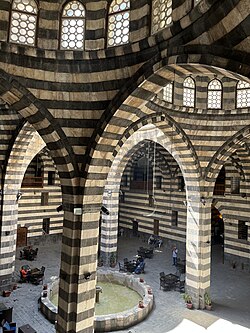
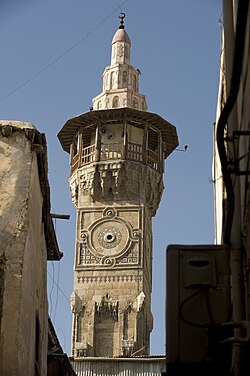
The Umayyad Mosque remains the city's most iconic landmark, representing a fusion of Byzantine and Islamic art. Surrounding the mosque and throughout the old city are numerous madrasas (Islamic schools), such as the Nur al-Din and Al-Adiliyah madrasas, which highlight the city's long-standing commitment to scholarship.
Commerce and Domestic Life
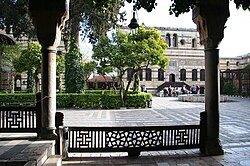
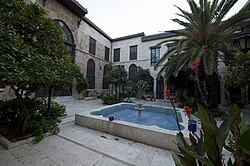
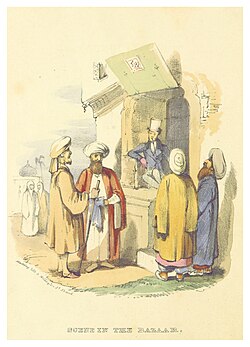
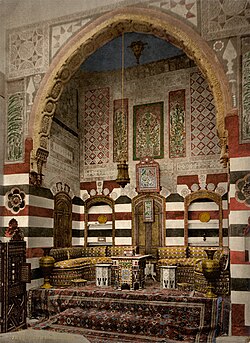
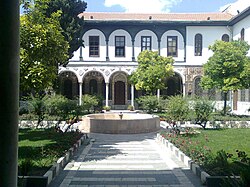
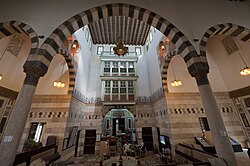
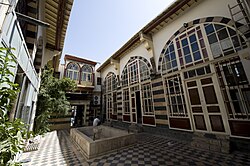
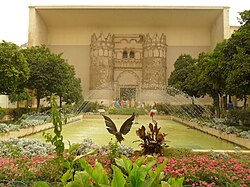
The Al-Hamidiyah Souq is one of the most famous markets in the region, offering a glimpse into traditional Damascene commerce. Nearby, the Al-Azm Palace showcases the traditional courtyard style of Damascene residential architecture, designed to provide privacy and coolness in the arid climate.
City Profile and Infrastructure
![The twin muqarnas domes of the Nur al-Din Madrasa.[80][81]](/images/85/a9/85a9c1b04b4d17615eb1494c59f86a03ee7508daf33ebc8a4a6e9b065707fd35.jpg)
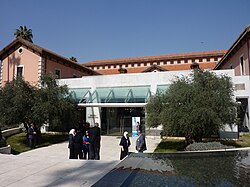
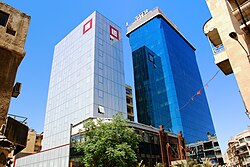
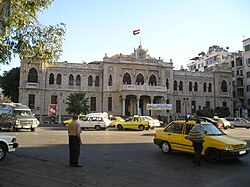
Modern Damascus is a hub of education and administration. It hosts numerous institutions, including Damascus University and several specialized higher institutes for business and dramatic arts. The city's infrastructure includes the Damascus International Airport and the Al-Hejaz Station, connecting the capital to the wider region.
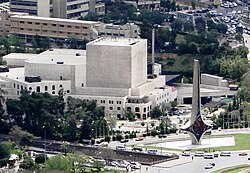
Despite its ancient roots, the city has evolved with modern landmarks like the Damascus Opera House and the Damascene Sword Monument in Umayyad Square, which serves as a central point for the metropolis.
| Category | Detail |
|---|---|
| Elevation | 680 m (2,230 ft) |
| Metro Population | 2,799,960 (2024 Est.) |
| UNESCO Status | Cultural World Heritage Site (1979) |
| Primary Religion | Sunni Islam (78%) |
| Time Zone | UTC+03:00 (AST) |
Frequently Asked Questions
What is the significance of the Umayyad Mosque?
Built in 715 AD during the Umayyad period, it is one of the largest and oldest mosques in the world and served as a central religious and political symbol when Damascus was the capital of the Umayyad Caliphate.
What are the traditional characteristics of Damascene houses?
Traditional houses, such as Al-Azm Palace, typically feature a central courtyard with fountains, designed to manage the climate and provide a private family sanctuary.
Which gates of the Old City are still notable?
Key gates include Bab Tuma (leading to the Christian quarter), Bab Sharqi (which retains its Roman plan), and Bab al-Salam and Bab al-Faradis on the northern boundary.
What is the climate like in Damascus?
Damascus has a cold desert climate (BWk). It experiences hot, dry summers with record highs reaching 45.8°C and cool winters where temperatures can drop as low as -12°C.
Is the Ancient City of Damascus protected?
Yes, it was designated as a UNESCO World Heritage Site in 1979. However, some areas, such as the Souq al-Atiq, have faced destruction despite protection recommendations.