Daily Mirror: A History of Britain's Iconic Red Top Tabloid
The Daily Mirror is a cornerstone of the British press, recognized as a national daily tabloid—often referred to as a "red top" due to its traditional red masthead. Founded in 1903, the publication has evolved from a niche magazine for women into one of the most influential voices in the United Kingdom's media landscape. Today, it is owned by Reach plc as part of Mirror Group Newspapers (MGN).
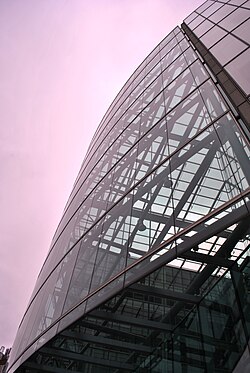
Operating from its headquarters at One Canada Square in London, the Mirror continues to serve a significant audience, with a print circulation of 175,928 as of September 2025. While it maintains a strong national presence, it differs from rivals like The Sun by utilizing the Daily Record and Sunday Mail for its Scottish coverage, though it does publish a dedicated Irish Mirror.
Key Facts
- Founded: November 2, 1903, by Alfred Harmsworth.
- Ownership: Reach plc.
- Political Alignment: Labour Party.
- Format: Red top tabloid.
- Current Editor: Chloe Hubbard (as of 2025).
- Sister Paper: Sunday Mirror.
The Evolution of a Media Giant
Early Years and the Pivot to Pictorials (1903–1919)
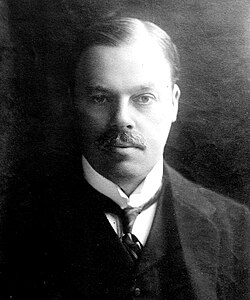
The Daily Mirror began its life with a very different mission. Launched by Alfred Harmsworth (later Lord Northcliffe), it was originally designed as a newspaper for women, run by women, focusing on "feminine life." However, this initial concept failed to gain traction.
In 1904, Harmsworth pivoted the publication toward a pictorial format with a broader appeal. This shift involved firing the female journalists and briefly renaming the paper The Daily Illustrated Mirror. By dropping the price to a halfpenny and rebranding as "a paper for men and women," the publication saw explosive growth. By 1919, some issues sold over a million copies daily, establishing it as the largest daily picture paper in the country.
Expansion and Mid-Century Shifts
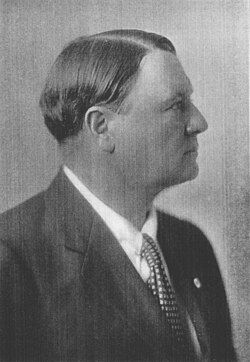
In 1913, Alfred Harmsworth sold the paper to his brother, Harold Harmsworth (later Lord Rothermere). Throughout the mid-20th century, the Mirror experimented with its content to attract diverse readers. One such attempt was the "Mirrorscope" supplement launched in 1968, which aimed to provide serious analysis of international affairs, science, and the arts. Despite its ambition, the supplement failed to attract a wide audience and was discontinued in 1974.
Corporate Transitions and the Digital Age
The late 20th century brought significant ownership changes. In 1984, the paper was sold to Robert Maxwell. Following his death in 1991, the company underwent a period of crisis and cost-cutting under CEO David Montgomery. This eventually led to a 1999 merger with the regional group Trinity to form Trinity Mirror.
In the 21st century, the Mirror continued to adapt. In 2012, the Daily and Sunday Mirror were merged into a single seven-day-a-week title. By 2018, Reach plc acquired Northern & Shell titles, further consolidating its position in the UK market.
Political Stance and Editorial Voice
The Daily Mirror is well-known for its steadfast Labour alignment. This loyalty was particularly evident during the Labour landslide of 1997 and subsequent elections. The paper has frequently used its front page to express strong political opinions, such as its 2010 campaign against Conservative leader David Cameron, featuring a prominent red cross through his face with the headline "How to stop him."
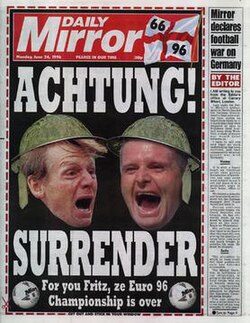
The publication is also known for its bold, sometimes provocative, approach to international news and sports, as seen in its aggressive coverage of major football tournaments.
Legal Challenges and Controversies
The Mirror's history is not without legal turmoil. The paper has faced several high-profile libel and contempt cases:
- Liberace v Daily Mirror (1959): The entertainer won £8,000 in damages after the paper hinted at his homosexuality, which was illegal in Britain at the time.
- Iraq War Hoax (2004): Editor Piers Morgan was sacked after the paper published fake photos claiming British soldiers had abused Iraqi prisoners.
- Contempt of Court (2011): The paper was fined £50,000 for its reporting on the arrest of a person of interest in the Joanna Yeates murder case.
- Frankie Boyle Libel (2011): Comedian Frankie Boyle won over £58,000 in damages after the Mirror labeled him a racist.
Mirror Overview Summary
| Attribute | Details |
|---|---|
| Founded | November 2, 1903 |
| Parent Company | Reach plc |
| Political Lean | Labour |
| Circulation (Sept 2025) | 175,928 |
| Headquarters | One Canada Square, London |
Frequently Asked Questions
Who founded the Daily Mirror?
The Daily Mirror was founded by Alfred Harmsworth, later known as Lord Northcliffe, on November 2, 1903.
What is a "red top" newspaper?
A "red top" is a British term for a tabloid newspaper that traditionally features a red masthead and focuses on sensationalist news, celebrity gossip, and human-interest stories.
Which political party does the Daily Mirror support?
The Daily Mirror is aligned with the Labour Party and has historically been a strong supporter of its candidates and policies.
Why was Piers Morgan sacked as editor?
Piers Morgan was dismissed in May 2004 after the newspaper published photographs that were later proven to be hoaxes, falsely claiming British soldiers had abused prisoners in Iraq.
Does the Daily Mirror have a Scottish edition?
No, unlike some other tabloids, the Mirror does not have a separate Scottish edition; instead, it shares relevant stories with the Daily Record and Sunday Mail.