The Times: A History of Britain's Paper of Record
Founded in the late 18th century, The Times stands as one of the most influential daily newspapers in the United Kingdom. Based in London, it has evolved from a small register into a global media presence, known for its authoritative reporting and historical significance in British public life.
Originally established on January 1, 1785, as The Daily Universal Register, the publication eventually became known simply as The Times. Over more than two centuries, it has transitioned through various formats—from traditional broadsheets to its current compact format—and has navigated the shift from print dominance to a digital-first era.
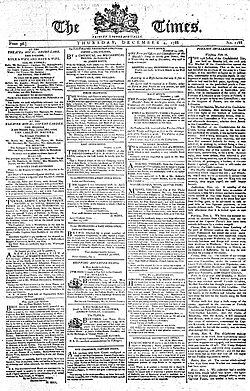
Key Facts
- Founded: January 1, 1785 (originally as The Daily Universal Register).
- Current Owner: News UK (a subsidiary of News Corp).
- Current Editor: Tony Gallagher (since 2022).
- Headquarters: The News Building, 1 London Bridge Place, London.
- Circulation: 365,880 (as of March 2020).
- Readership: Approximately 740,000 digital and physical subscribers.
Evolution and Ownership
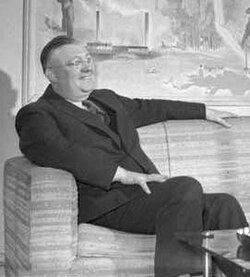
The ownership of The Times has been marked by several distinct eras, beginning with the Walter family, who steered the paper for over a century. The transition of ownership often reflected the changing landscape of British media and political influence.
| Period | Owner |
|---|---|
| 1785–1803 | John Walter |
| 1803–1847 | John Walter, 2nd |
| 1847–1894 | John Walter III |
| 1894–1908 | Arthur Fraser Walter |
| 1908–1922 | Lord Northcliffe |
| 1922–1966 | Astor family |
| 1966–1981 | Roy Thomson (International Thomson Organization) |
| 1981–Present | News UK (News Corp / Rupert Murdoch) |
The acquisition by Roy Thomson in 1966 marked a significant shift toward international corporate ownership, followed by the 1981 purchase by Rupert Murdoch's News International (now News UK).
Editorial Influence and Content
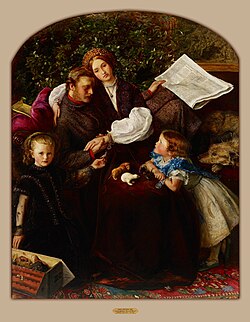
Throughout its history, The Times has been regarded as a "paper of record," meaning it is viewed as a definitive source of historical documentation. This status is reflected in its presence in popular culture and art, often symbolizing the delivery of critical national news.
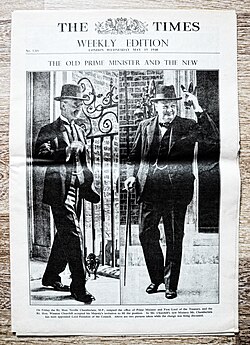
The newspaper's content has expanded beyond daily news to include various supplements and specialized sections. These include Times2, Saturday supplements, and The Times Magazine. In recent years, the publication has aggressively pursued a digital subscription model, implementing a paywall to sustain its journalism in the internet age.
Typography and Branding
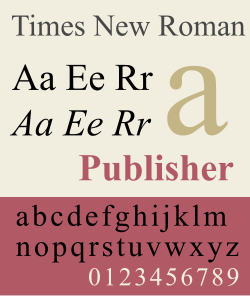
One of the most enduring legacies of the newspaper is its influence on typography. The Times New Roman typeface was specifically created for the publication, becoming one of the most widely used fonts in the world due to its clarity and professionalism.
Frequently Asked Questions
Who currently owns The Times?
The Times is owned by News UK, which is a wholly owned subsidiary of News Corp, run by Rupert Murdoch.
When was The Times founded and under what name?
It was founded on January 1, 1785, originally under the name The Daily Universal Register.
What is the current format of the newspaper?
The newspaper is currently published in a compact format.
Who is the current editor of The Times?
The current editor is Tony Gallagher, who took over the role in 2022.
What is the significance of Times New Roman?
Times New Roman is a typeface designed specifically for The Times to improve readability and branding, eventually becoming a global standard for printed text.