Cyril Ramaphosa: The Political Journey of South Africa's 5th President
Cyril Ramaphosa is a multifaceted figure in global politics, serving as the 5th President of South Africa since February 15, 2018. His career spans several decades, evolving from a grassroots trade unionist and anti-apartheid activist to a successful businessman and, eventually, the head of state. As the incumbent President of the African National Congress (ANC), Ramaphosa has navigated the complexities of domestic reform and international diplomacy.
Born on November 17, 1952, in Soweto, Ramaphosa's trajectory is deeply intertwined with the liberation struggle of South Africa. His education at the University of the North and the University of South Africa provided the academic foundation for a career defined by law, negotiation, and leadership.
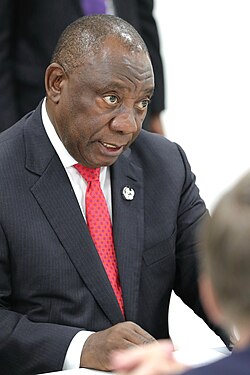
Key Facts
- Current Role: 5th President of South Africa and President of the African National Congress (ANC).
- Assumed Office: February 15, 2018.
- Previous High Offices: Deputy President of South Africa (2014–2018) and Secretary-General of the ANC (1991–1996).
- International Leadership: Served as Chairperson of the African Union from February 2020 to February 2021.
- Professional Background: Lawyer, businessman, trade unionist, and philanthropist.
Early Activism and the Rise in the ANC
Ramaphosa first gained prominence as a champion for workers' rights. In August 1982, he became the Secretary-General of the National Union of Mineworkers (NUM), a position he held until June 1991. His leadership in the labor movement was a critical component of the broader struggle against apartheid, the system of institutionalized racial segregation in South Africa.
By the early 1990s, his skills as a negotiator led to his appointment as the Secretary-General of the African National Congress (ANC) under the leadership of Nelson Mandela, serving from July 1991 until December 1996. During this pivotal era, he was a key figure in the transition to a democratic South Africa and served as a Member of the National Assembly from 1994 to 1996.
Business Career and Return to Public Service
Following his initial tenure in government, Ramaphosa entered the private sector from 1996 to 2014. He became a successful businessman and lawyer, diversifying his interests into various industries. Notably, he developed a passion for cattle farming, specifically focusing on Ankole Longhorn cattle.
His return to formal politics began in December 2012 when he was elected Deputy President of the ANC. This paved the way for his appointment as the Deputy President of South Africa on May 26, 2014, serving under President Jacob Zuma.
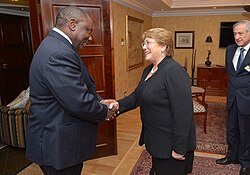
The Presidency of South Africa
Cyril Ramaphosa assumed the presidency on February 15, 2018, succeeding Jacob Zuma. His presidency has been characterized by a focus on a renewal project aimed at reforming the ANC and tackling systemic corruption. Domestically, his administration has dealt with significant challenges, including the response to the coronavirus pandemic and efforts to formalize the cannabis industry.
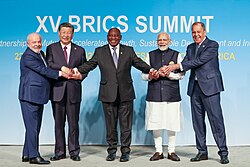
On the international stage, Ramaphosa has maintained South Africa's role as a key diplomatic player. He has engaged with global leaders across the G7 and BRICS (Brazil, Russia, India, China, and South Africa) blocs to foster economic and political cooperation.
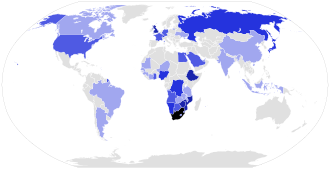
International Diplomatic Engagements
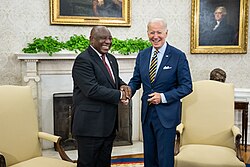
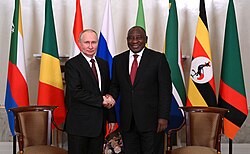
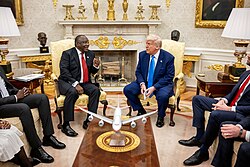
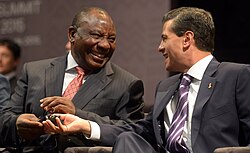
Ramaphosa's foreign policy has emphasized multilateralism. He has held high-level meetings with various world leaders to strengthen bilateral ties and address global crises.
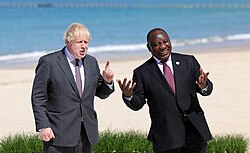
Summary of Political and Professional Roles
| Period | Position | Organization/Entity |
|---|---|---|
| 1982 – 1991 | Secretary-General | National Union of Mineworkers |
| 1991 – 1996 | Secretary-General | African National Congress |
| 1994 – 1996 | Member | National Assembly |
| 2012 – 2017 | Deputy President | African National Congress |
| 2014 – 2018 | Deputy President | Republic of South Africa |
| 2017 – Present | President | African National Congress |
| 2018 – Present | President | Republic of South Africa |
| 2020 – 2021 | Chairperson | African Union |
Controversies and Challenges
Despite his achievements, Ramaphosa's career has not been without controversy. He has faced scrutiny regarding the Marikana massacre, the funding of the CR17 campaign, and the conduct of his business interests. Additionally, the Phala Phala robbery and issues surrounding Tembisa Hospital have been points of significant public and political debate.
Frequently Asked Questions
When did Cyril Ramaphosa become President of South Africa?
Cyril Ramaphosa assumed office as the 5th President of South Africa on February 15, 2018.
What was Ramaphosa's role before becoming President?
Immediately prior to the presidency, he served as the Deputy President of South Africa from 2014 to 2018 and as the President of the African National Congress starting in December 2017.
Which international organization did he lead as Chairperson?
He served as the Chairperson of the African Union from February 10, 2020, to February 6, 2021.
What is the "renewal project" mentioned in his presidency?
The renewal project is a reformist initiative aimed at revitalizing the African National Congress (ANC) and addressing internal issues to better serve the country.
What was his early career focus?
Ramaphosa began his career as a trade unionist, serving as the Secretary-General of the National Union of Mineworkers (NUM) from 1982 to 1991.