Articles/Cyprus: A Comprehensive Overview of History, Culture, and Geography
Republic of CyprusNicosiaCyprus historyMediterranean geographyCypriot culture
Cyprus: A Comprehensive Overview of History, Culture, and Geography
Cyprus: A Mediterranean Crossroads of History and Culture Located in the eastern Mediterranean, Cyprus is an island nation defined by its strategic position and a rich, multilayered histo...
Cyprus: A Mediterranean Crossroads of History and Culture
Located in the eastern Mediterranean, Cyprus is an island nation defined by its strategic position and a rich, multilayered history. From its ancient roots as a hub of copper production to its modern status as a member of the European Union, the island has been shaped by a succession of empires and cultural influences. Today, the Republic of Cyprus is a unitary presidential republic known for its diverse landscapes, vibrant culture, and complex political history.
The etymology of the name "Cyprus" remains a subject of debate among scholars. Some suggest it derives from the Greek word for the Mediterranean cypress tree (Cupressus sempervirens), while others believe it refers to the henna tree (Lawsonia alba).
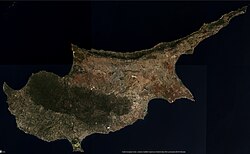
A Sentinel-2 image of Cyprus taken in 2022: A Sentinel-2 image of Cyprus taken in 2022
Key Facts
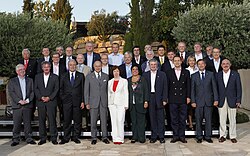
Foreign Ministers of the European Union countries in Limassol during Cyprus Presidency of the EU in 2012
Capital: Nicosia (the largest city).
Official Languages: Greek and Turkish.
Government: Unitary presidential republic.
Currency: Euro (€).
EU Status: Member of the European Union and the eurozone.
Population: Approximately 1,382,000 (2026 census).
Geography: Total area of 9,251 km², featuring the Troodos Mountains and coastal plains.
A Journey Through History
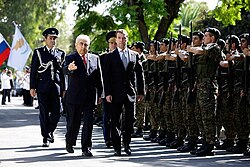
Welcoming ceremony of the former Russian president Dmitry Medvedev by the soldiers of the Cypriot National Guard
Ancient and Medieval Eras
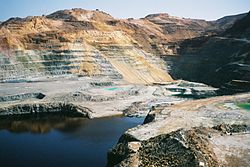
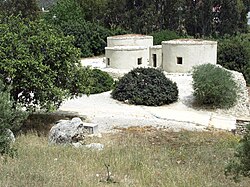
Cyprus has been inhabited since the Aceramic Neolithic period, as evidenced by sites like Khirokitia. In antiquity, the island was a major source of copper, a resource so abundant that the scientific name for copper, cuprum, is derived from the island's name.
A copper mine in Cyprus. In antiquity, Cyprus was a major source of copper.: A copper mine in Cyprus. In antiquity, Cyprus was a major source of copper.
Archaeological site of Khirokitia with early remains of human habitation during the Aceramic Neolithic period (reconstruction): Archaeological site of Khirokitia with early remains of human habitation during the Aceramic Neolithic period (reconstruction)
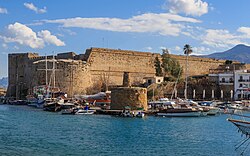
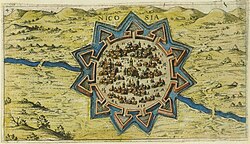
Over the centuries, the island transitioned through various rules, including the Byzantine Empire, the Kingdom of Cyprus, and the Republic of Venice. The Venetians left a lasting mark on the island's defenses, most notably the Walls of Nicosia and the expansion of Kyrenia Castle.
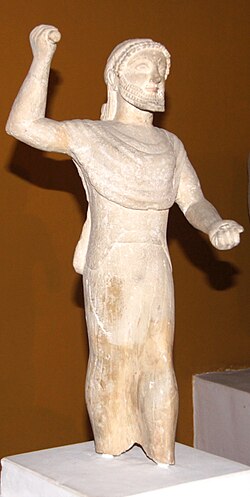
Zeus Keraunios, 500–480 BC, Nicosia museum: Zeus Keraunios, 500–480 BC, Nicosia museum
Kyrenia Castle was originally built by the Byzantines and enlarged by the Venetians.: Kyrenia Castle was originally built by the Byzantines and enlarged by the Venetians.
The Walls of Nicosia were built by the Venetians to defend the city in case of an Ottoman attack.: The Walls of Nicosia were built by the Venetians to defend the city in case of an Ottoman attack.
Ottoman and British Rule
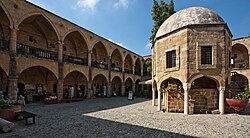
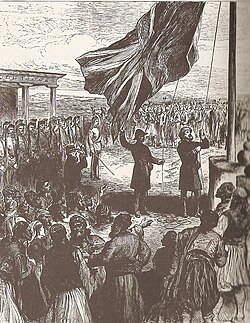
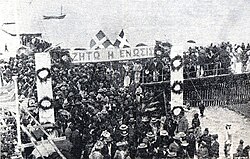
The Ottoman Empire later took control, introducing new architectural styles such as the Büyük Han caravanserai (an inn for travelers) in Nicosia. By the late 19th century, Cyprus came under British administration. This period was marked by growing tensions and the rise of Enosis—the movement for union with Greece.
Cypri insvlae nova descript. 1573, Ioannes à Deutecum f[ecit]. "Map of the island of Cyprus, newly drawn by Johannes van Deutecom in 1573.": Cypri insvlae nova descript. 1573, Ioannes à Deutecum f[ecit]. "Map of the island of Cyprus, newly drawn by Johannes van Deutecom in 1573."
Büyük Han, a caravanserai in Nicosia, is an example of the surviving Ottoman architecture in Cyprus.: Büyük Han, a caravanserai in Nicosia, is an example of the surviving Ottoman architecture in Cyprus.
Hoisting the British flag at Nicosia: Hoisting the British flag at Nicosia
Greek Cypriot demonstrations for Enosis (union with Greece) in 1930: Greek Cypriot demonstrations for Enosis (union with Greece) in 1930
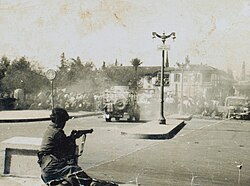
A British soldier facing a crowd of Greek Cypriot demonstrators in Nicosia (1956): A British soldier facing a crowd of Greek Cypriot demonstrators in Nicosia (1956)
Independence and Division
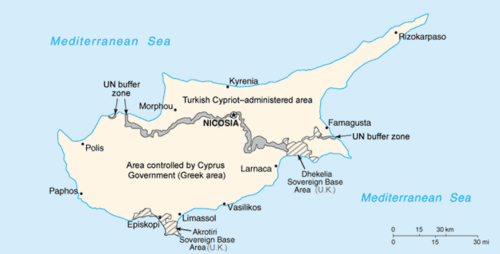
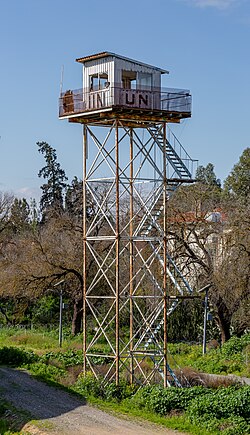
Cyprus gained independence from the United Kingdom on August 16, 1960. However, inter-communal violence and a 1974 coup d'état led to a Turkish invasion and the subsequent division of the island. This created a buffer zone monitored by the United Nations and left areas like Varosha abandoned.
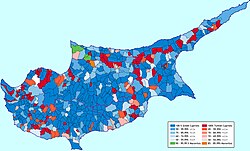
Ethnic map of Cyprus according to the 1960 census: Ethnic map of Cyprus according to the 1960 census
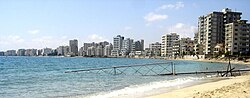
Varosha (Maraş), a suburb of Famagusta, was abandoned when its inhabitants fled in 1974 and remains under Turkish military control.: Varosha (Maraş), a suburb of Famagusta, was abandoned when its inhabitants fled in 1974 and remains under Turkish military control.
A map showing the division of Cyprus: A map showing the division of Cyprus
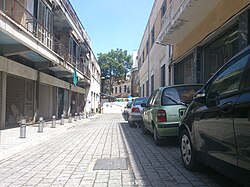
Street in the divided capital of Nicosia: Street in the divided capital of Nicosia
UN tower in the buffer zone: UN tower in the buffer zone
Geography and Environment
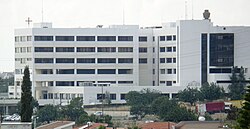
Limassol General Hospital
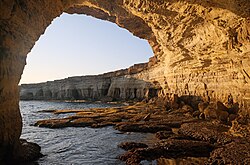
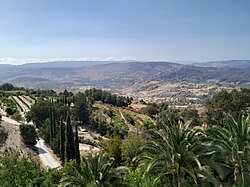
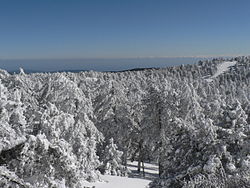
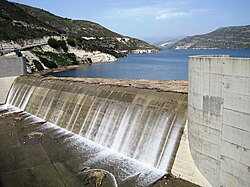
The landscape of Cyprus is varied, ranging from the rugged peaks of the Troodos Mountains, which experience heavy snowfall in winter, to the dramatic sea caves at Cape Greco. The island's water supply is managed through infrastructure like the Kouris Dam.
Sea caves at Cape Greco: Sea caves at Cape Greco
Landscape of Cyprus: Landscape of Cyprus
The Troodos Mountains experience heavy snowfall in winter.: The Troodos Mountains experience heavy snowfall in winter.
Kouris Dam overflow in April 2012: Kouris Dam overflow in April 2012
Government and Economy
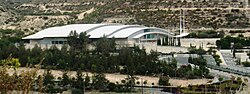
Spyros Kyprianou Athletic Centre in Limassol
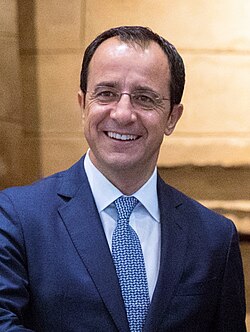
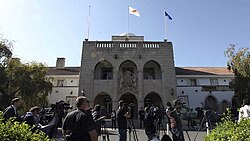
The Republic of Cyprus is led by a President, currently Nikos Christodoulides (since February 2023). The government operates from the Presidential Palace in Nicosia. The nation maintains a high Human Development Index (HDI) of 0.913, reflecting its strong social and economic standing.
Nikos Christodoulides, President of Cyprus since February 2023: Nikos Christodoulides, President of Cyprus since February 2023
Presidential Palace, Nicosia: Presidential Palace, Nicosia
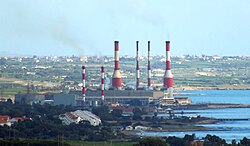
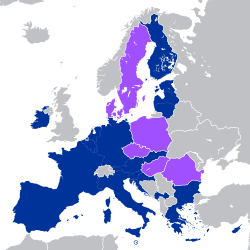
Economically, Cyprus is integrated into the EU single market and the eurozone. Its economy is supported by various sectors, and the country has recently focused on energy exploration in its Exclusive Economic Zone.
Dhekelia Power Station: Dhekelia Power Station
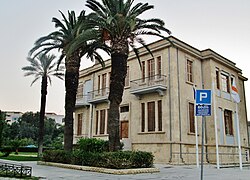
Supreme Court of Justice: Supreme Court of Justice
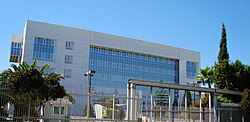
Central Bank of Cyprus: Central Bank of Cyprus
Cyprus is part of a monetary union, the eurozone (dark blue) and of the EU single market.: Cyprus is part of a monetary union, the eurozone (dark blue) and of the EU single market.
Society and Culture
Demographics and Language
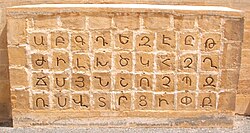
The population is primarily composed of Greek Cypriots and Turkish Cypriots, with smaller minorities including Armenian and Maronite Cypriots. While Greek and Turkish are the official languages, Armenian is recognized as a minority language.
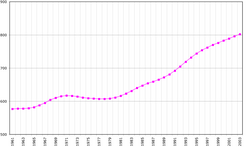
Population growth, 1961–2003 (numbers for the entire island, excluding Turkish settlers residing in Northern Cyprus): Population growth, 1961–2003 (numbers for the entire island, excluding Turkish settlers residing in Northern Cyprus)
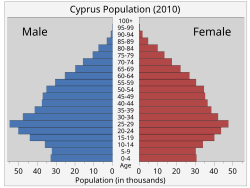
2010 population by age and gender: 2010 population by age and gender
The Armenian alphabet at the Melkonian Educational Institute. Armenian is recognised as a minority language in Cyprus.: The Armenian alphabet at the Melkonian Educational Institute. Armenian is recognised as a minority language in Cyprus.
Education and Arts
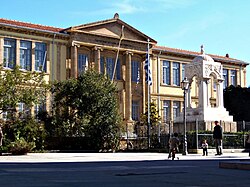
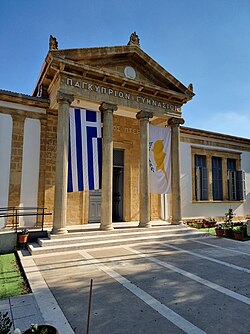
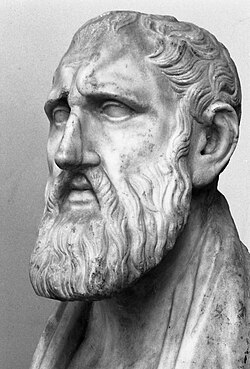
Cyprus has a long tradition of scholarship, from Zeno of Citium, the founder of Stoicism, to 17th-century professors like Ioannis Kigalas. Educational landmarks include the historic Pancyprian Gymnasium and the Faneromeni School.
Faneromeni School is the oldest all-girls primary school in Cyprus.: Faneromeni School is the oldest all-girls primary school in Cyprus.
The entrance of the historic Pancyprian Gymnasium: The entrance of the historic Pancyprian Gymnasium
Zeno of Citium, founder of the Stoic school of philosophy: Zeno of Citium, founder of the Stoic school of philosophy
Ioannis Kigalas (c. 1622–1687) was a Nicosia born Greek Cypriot scholar and professor of philosophy who was largely active in the 17th century.[258]: Ioannis Kigalas (c. 1622–1687) was a Nicosia born Greek Cypriot scholar and professor of philosophy who was largely active in the 17th century.
Cuisine and Traditions
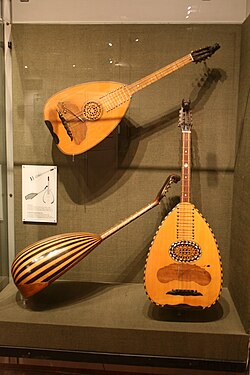
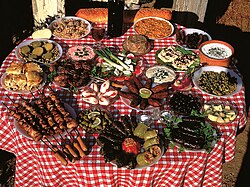
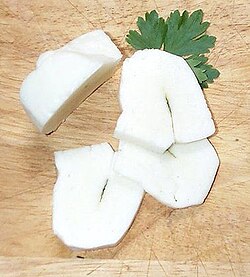
Cypriot culture is reflected in its traditional music, often featuring the laouto, and its world-renowned cuisine. Key staples include Halloumi cheese and the traditional meze platter.
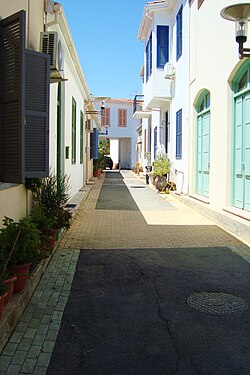
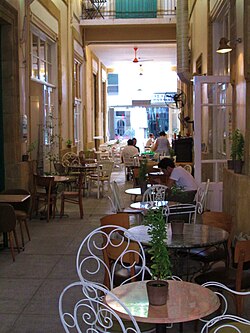
Typical Cypriot architecture in old part of Nicosia, Cyprus: Typical Cypriot architecture in old part of Nicosia, Cyprus
Laouto, dominant instrument of the Cypriot traditional music: Laouto, dominant instrument of the Cypriot traditional music
Cypriot meze: Cypriot meze
Cypriot Halloumi: Cypriot Halloumi
Cypriot style café in an arcade in Nicosia: Cypriot style café in an arcade in Nicosia
Category
Detail
Official Languages
Greek, Turkish
Major Ethnic Groups
Greek Cypriots, Turkish Cypriots
GDP Per Capita (PPP)
$67,796 (2026 estimate)
HDI (2023)
0.913 (Very High)
Main Religions
Christianity (72.3%), Islam (25.0%)
Frequently Asked Questions
What is the official status of Cyprus in the European Union?
The Republic of Cyprus is a full member of the European Union and is part of the eurozone, using the Euro as its official currency.
What are the primary ethnic groups in Cyprus?
The population consists mainly of Greek Cypriots and Turkish Cypriots, along with smaller communities of Armenian and Maronite Cypriots.
What is the significance of the Troodos Mountains?
The Troodos Mountains are a major geographical feature of the island, known for their high elevation and heavy snowfall during the winter months.
What is Halloumi?
Halloumi is a traditional Cypriot brined cheese that is a staple of the local cuisine and widely recognized internationally.
Who is the current President of Cyprus?
Nikos Christodoulides has served as the President of the Republic of Cyprus since February 2023.
![Cypri insvlae nova descript. 1573, Ioannes à Deutecum f[ecit]. "Map of the island of Cyprus, newly drawn by Johannes van Deutecom in 1573."](/images/f0/69/f069f4997839b6f469a0d1fe5944d5d7dea89f9837b39729c747f71c862c3d84.jpg)
![Ioannis Kigalas (c. 1622–1687) was a Nicosia born Greek Cypriot scholar and professor of philosophy who was largely active in the 17th century.[258]](/images/e1/5f/e15f7419bbf7441b44b23f8eaeee29f27d2651fd8b19c23951fe6d5b14510d4e.jpg)