Curva Culture: The Heart of Passionate Football Support
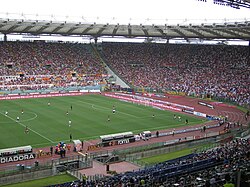
In the world of football, the curva—the curved stand behind the goals—is far more than just a seating area. It serves as the emotional epicenter of a stadium, housing the most openly passionate supporters who drive the atmosphere of every match. From thunderous chants to visual spectacles, the curva is where a club's identity is most vibrantly expressed.
These sections are often the focal point of a club's support, acting as the engine room for motivation during a game. Whether celebrating a goal or expressing disapproval toward the team or club management, the energy emanating from the curva can influence the entire stadium experience.
The Art of the Display
One of the most striking aspects of curva culture is the use of dramatic choreographed displays. These visual performances are designed to show unwavering support or to send a specific message to the players and ownership. These displays often take on a significance of their own, evolving into a competition of creativity and scale.
This rivalry is particularly evident during high-stakes matches against traditional opponents. In these encounters, opposing sets of supporters aim to outdo one another, turning the stands into a canvas for artistic and psychological warfare.
Sociopolitical Dynamics and Ultras
Beyond the sport, the curva often reflects the local culture of its city or region. In certain countries, this reflection leads to the curva becoming highly politicized. Because of these deep-rooted social ties, it is not uncommon for a curva to be divided into individual factions or groups based on political leanings.
In many cases, a single dominant group may hold significant control over the curva and its inhabitants on match days. This structure is frequently led by Ultras—highly organized, hardcore fan groups known for their intense loyalty and coordination.
This level of uniformity and organization allows Ultras groups to act as a unified voice. They often leverage their collective power to advocate for supporters' rights and to protest the increasing commercialisation of football, fighting to keep the sport accessible to the working-class fans who populate the curves.
Key Facts
- The curva is typically the most passionate section of a football stadium.
- Choreographed displays are used to express both support and disapproval.
- Curvas can be split into factions based on political affiliations.
- Ultras groups often exercise significant control over match-day activities in the curva.
- Organized fan groups frequently campaign against the commercialisation of sports.
| Feature | Description | Primary Purpose |
|---|---|---|
| Choreography | Visual displays and banners | Intimidation or support |
| Ultras | Organized, hardcore fan groups | Coordination and advocacy |
| Factions | Political or social subgroups | Cultural representation |
| Advocacy | Supporters' rights movements | Opposing commercialisation |
Frequently Asked Questions
What is a curva in a football stadium?
A curva is the curved stand located behind the goals, typically occupied by the most passionate and vocal supporters of the home team.
Why are choreographed displays important?
These displays serve as a powerful tool for fans to show loyalty, intimidate rivals, or express collective disapproval of the club's direction.
How do politics influence the curva?
In regions where sports clubs are closely tied to local culture, the curva can become politicized, leading to the formation of different factions based on political beliefs.
What role do Ultras play in the curva?
Ultras are organized groups that often control the atmosphere and organization of the curva, using their unity to fight for supporters' rights.
Why do some fan groups oppose the commercialisation of football?
Many groups believe that excessive commercialisation prioritizes profit over tradition and makes the sport less accessible to the core fan base.