Tifo and Tifosi: The Art and Passion of Sports Choreography
In the world of global sports, few sights are as visually arresting as a tifo. From the towering banners of European football stadiums to the sea of red at an Italian Grand Prix, these choreographed displays transform spectators from passive observers into active participants in the spectacle. While most commonly associated with association football, the culture of the tifo has expanded into a global phenomenon, blending art, loyalty, and intense rivalry.
What is a Tifo?
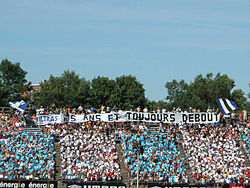
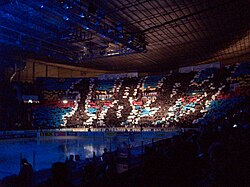
A tifo is a coordinated visual display created by fans in the stands of a stadium. These displays can take many forms, including choreographed flags, signs, large painted banners, or card stunts where thousands of fans hold up colored cards to create a massive mosaic image. While some clubs may sponsor or arrange these displays, they are primarily organized by ultras (highly dedicated, organized supporter groups) or official supporter clubs to demonstrate their devotion to the team.
Tifos are typically reserved for high-stakes moments, such as local derbies, major rivalries, or critical championship matches. Although the tradition began with football, it has since spread to other sports, including ice hockey and cycling.
The Meaning and Etymology of Tifosi
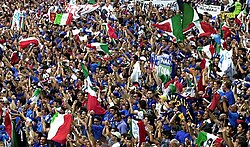
The term tifosi refers to the fans themselves. In Italian, the singular masculine is tifoso, the singular feminine is tifosa, and the feminine plural is tifose. The word has a fascinating and somewhat medical origin: it is derived from the Italian word for a typhus or typhoid patient. This refers to the "fevered" and obsessive behavior of the most dedicated supporters, suggesting a passion so intense it resembles a fever.
Historians note that this terminology emerged in the 1920s, a period when both football fever and typhoid fever were prevalent in Italy. While some suggest a link to the Greek word typhos (meaning "smoke"), most historians believe the connection to the disease is the more plausible origin.
A History of Visual Passion
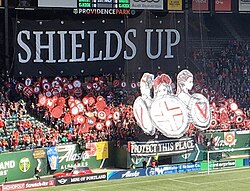
Tifo culture originated in Italy and Southern Europe, with a strong subsequent presence in Eastern Europe. It emerged in the late 1960s and early 1970s, evolving alongside the ultras culture. Over the decades, this tradition has migrated globally. In the late 2000s and early 2010s, Major League Soccer (MLS) in the United States saw a surge in tifo popularity. Some American supporters' groups have invested up to $10,000 in materials to create elaborate displays, with the rivalry between the Portland Timbers and Seattle Sounders producing some of the most complex tifos in the U.S.
Tifo Across Different Sports
Association Football
Football remains the heart of tifo culture. Ultras use a combination of banners, flags, drums, chanting, and colored smoke screens to create an intimidating and supportive atmosphere. Many of the symbols and iconography used in these displays are rooted in the Middle Ages and early Renaissance, reflecting the deep civic history of the cities they represent.
Formula One and the Ferrari Faithful
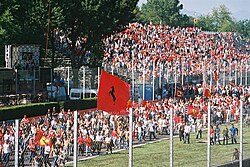
In motor racing, the term tifosi is almost synonymous with the supporters of Scuderia Ferrari. These fans create a "sea of red" at the Italian Grand Prix at Monza. The passion of the Ferrari tifosi is legendary; they remained loyal during the team's struggles in the early 1990s and saw their numbers swell with the arrival of Michael Schumacher in 1996.
The tifosi are known for their fierce loyalty to the brand over nationality. For example, at the 1983 San Marino Grand Prix, the crowd cheered when a Ferrari driver won after an Italian driver in a different car crashed out. However, this passion can turn to hostility; Mercedes drivers were frequently booed by the tifosi during their dominant era from 2014 to 2018. Interestingly, some non-Ferrari drivers, such as Max Verstappen, have eventually earned the genuine cheer of the tifosi after thrilling performances.
Cycling and Ice Hockey
In professional road cycling, tifosi are the passionate fans who line the roadsides of iconic Italian races like the Giro d'Italia and Milan–San Remo. Meanwhile, in ice hockey, tifo and choreography became popular across Europe in the 2000s, with particularly large organized groups appearing in Finland, Sweden, and Switzerland.
Key Facts
- Origin: Italy and Southern Europe, emerging in the late 1960s and early 1970s.
- Etymology: Derived from the Italian word for typhoid patient, referencing "feverish" passion.
- Primary Organizers: Usually arranged by ultras or supporter clubs.
- Common Elements: Banners, flags, card mosaics, smoke screens, and drums.
- Global Reach: Now prevalent in MLS (USA), European ice hockey, and Formula One.
- Ferrari Connection: The term tifosi is globally recognized as the name for Scuderia Ferrari fans.
| Sport | Primary Display Method | Key Characteristics |
|---|---|---|
| Association Football | Banners, Card Mosaics, Smoke | Organized by ultras; often based on city iconography. |
| Formula One | Massive Flags, Team Livery | Strongly associated with Scuderia Ferrari (the 'Sea of Red'). |
| Cycling | Roadside cheering and flags | Passionate support along race routes in Italy. |
| Ice Hockey | Choreographed displays | Popular in Finland, Sweden, and Switzerland. |
Frequently Asked Questions
What is the difference between a tifo and a tifoso?
A tifo is the actual visual display (the banner or choreography), while a tifoso is the individual fan who participates in or supports the team.
Why is the term linked to a disease?
The term comes from the Italian word for typhoid fever, used metaphorically to describe the "feverish" and obsessive level of passion that dedicated sports fans exhibit.
Do professional teams create the tifos?
While some clubs may provide sponsorship or logistical help, most tifos are independently designed and organized by ultras or supporter groups to show organic love for the club.
Is tifo culture only found in Italy?
No. While it started in Italy and Southern Europe, it is now common worldwide, including in the United States (MLS) and various European ice hockey leagues.
How much does it cost to make a tifo?
Costs vary wildly, but some Major League Soccer supporter groups in the U.S. have spent up to $10,000 on materials for a single elaborate display.